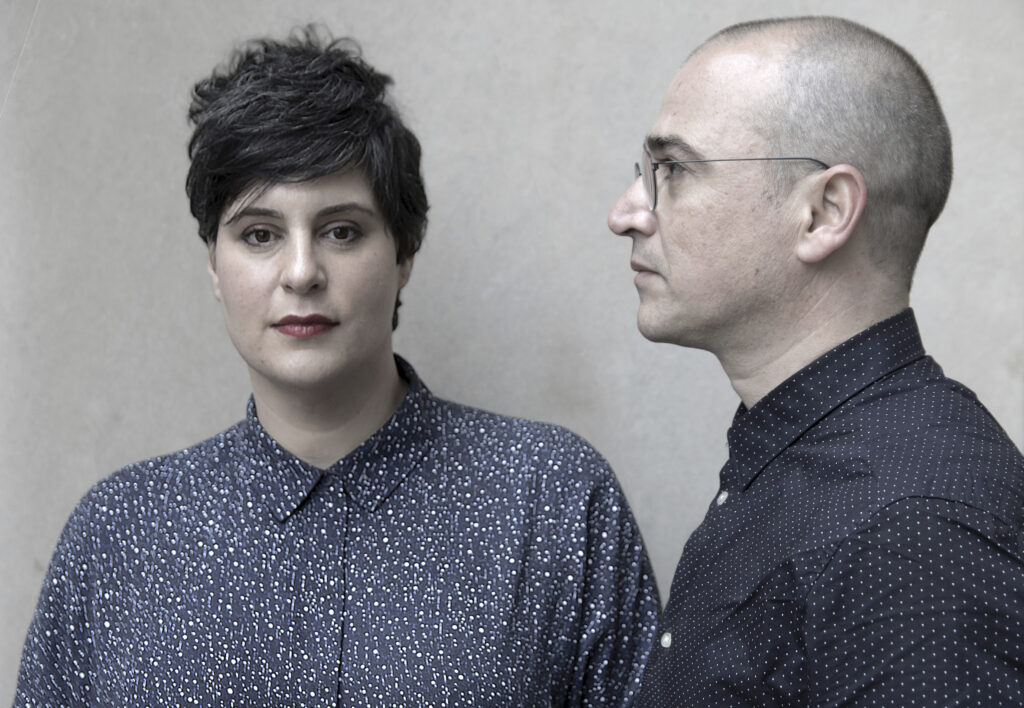
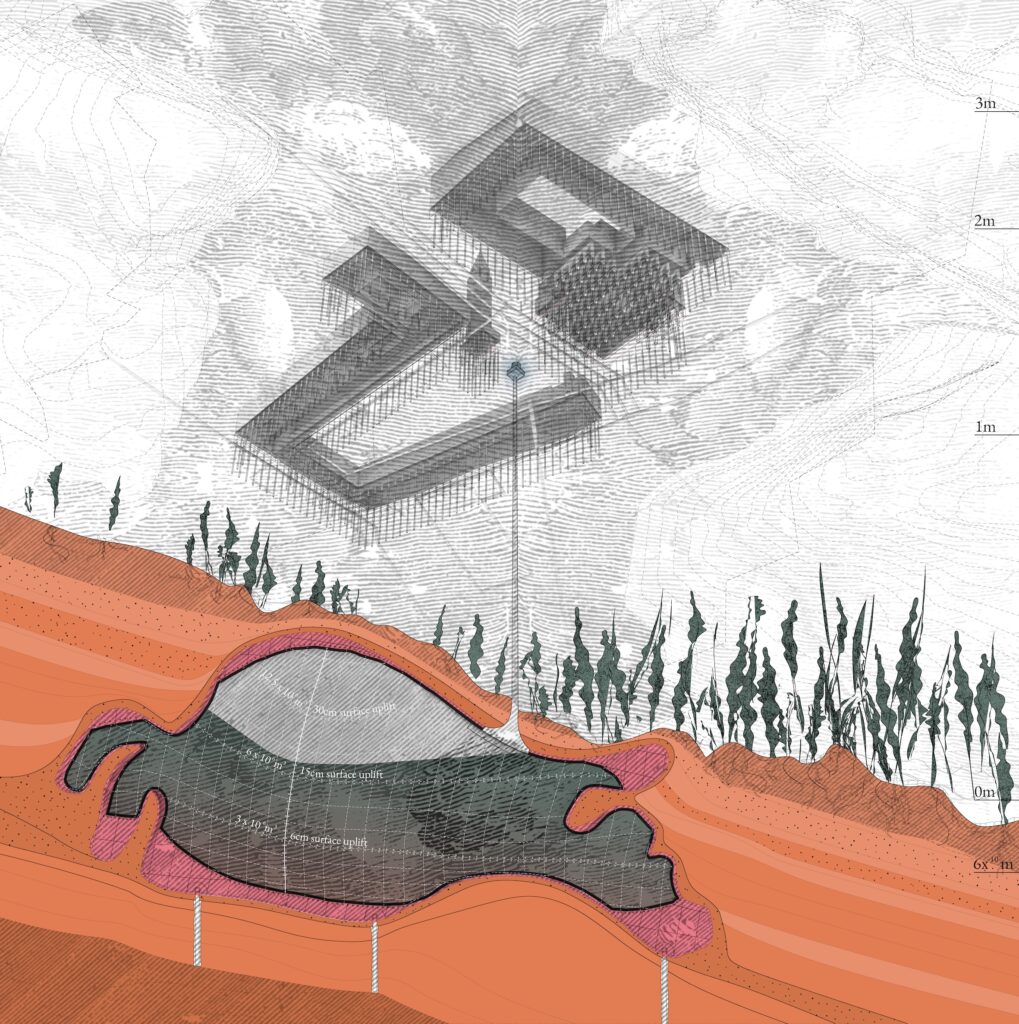
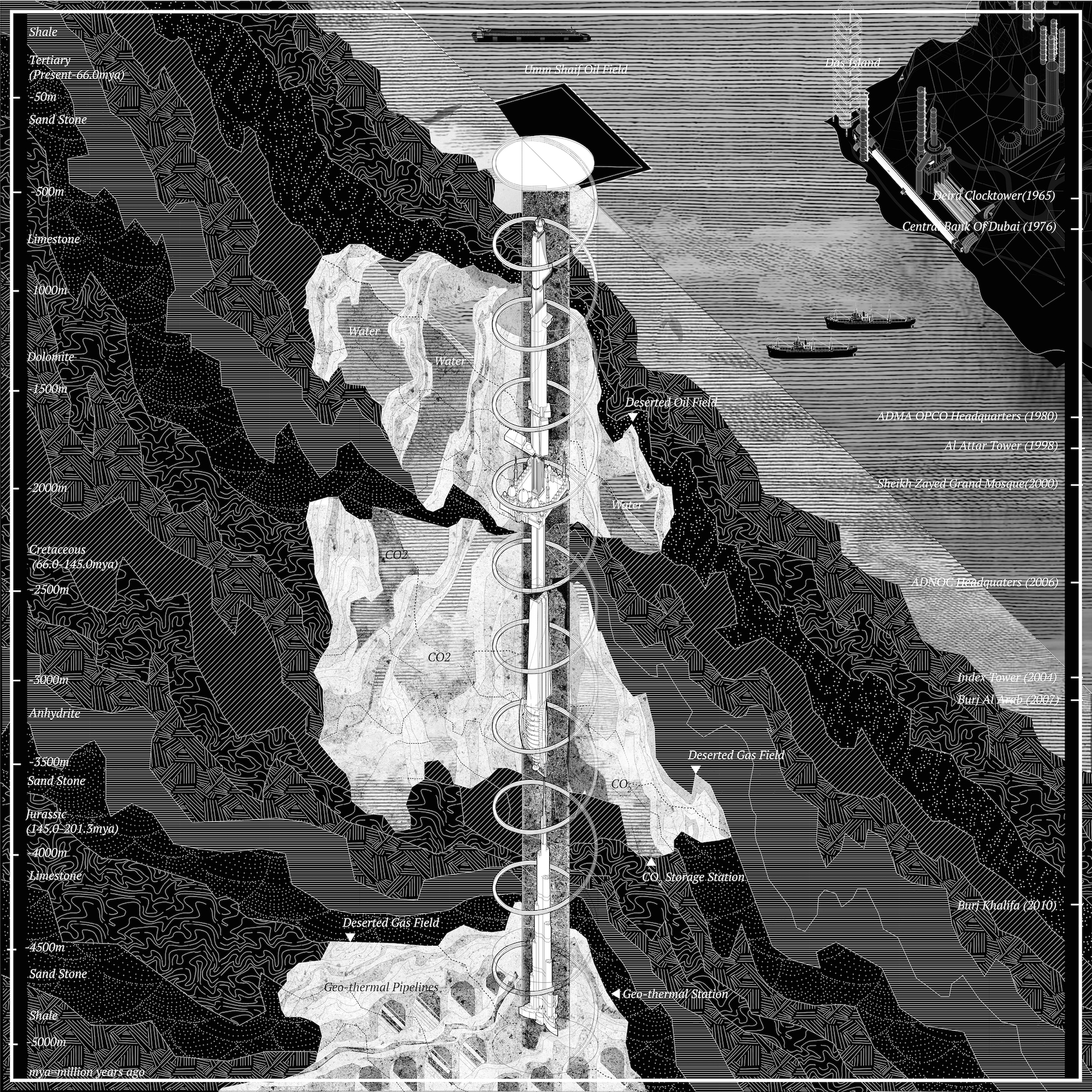
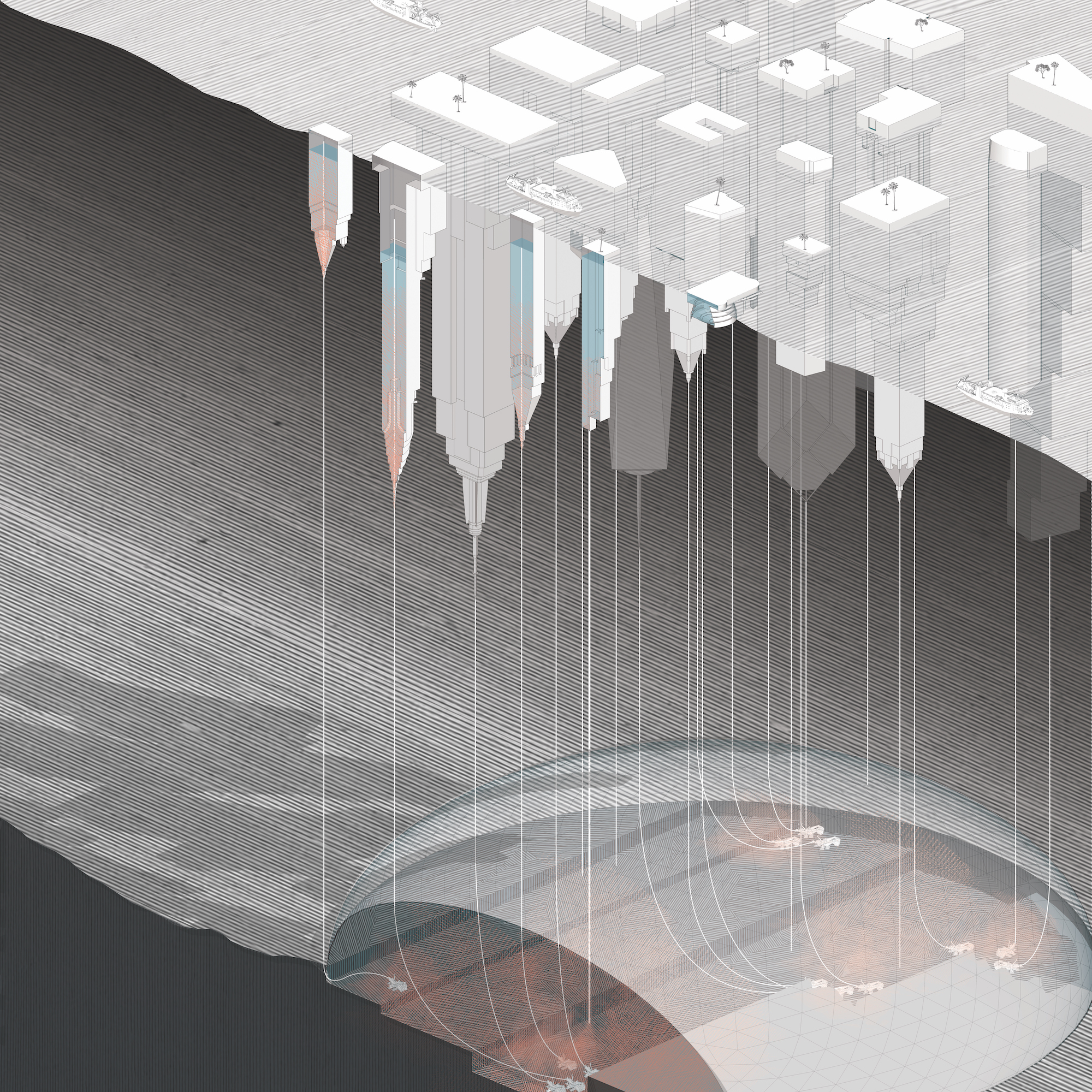
DESIGN EARTH utiliza el proyecto especulativo —dibujo y narrativa— para dar a conocer la crisis climática. Esta práctica de investigación a través del diseño está dirigida por Rania Ghosn y El Hadi Jazairy.
Su trabajo ha sido presentado a nivel internacional, entre otros lugares, en la Bienal de Venecia, el Museo Bauhaus de Dessau, el SFMOMA, la Trienal de Milán, el Museo Sursock de Beirut, el Museo Times de Guangdong, la Trienal de Arquitectura de Oslo y la Bienal de Arquitectura y Urbanismo de Seúl, y forma parte de la colección permanente del Museo de Arte Moderno de Nueva York. Ghosn y Jazairy son autores de Geographies of Trash (2015); Geostories: Another Architecture for the Environment (3.ª ed. 2022), The Planet After Geoengineering (2021) y Climate Inheritance (2023). DESIGN EARTH ha sido galardonado con varios premios, entre ellos la Artist Fellowship de Estados Unidos, el Architectural League Prize para Jóvenes Arquitectos y Diseñadores, los Premios de Diseño de la Association of Collegiate Schools of Architecture Faculty y los Premios de la Graham Foundation para Estudios Avanzados en Bellas Artes.
Rania Ghosn (Beirut, 1977) es profesora asociada y directora del Máster en Estudios de Arquitectura (SMArchS) en Urbanismo del Massachusetts Institute of Technology.
El Hadi Jazairy (Argelia, 1970) es profesor de Arquitectura y director del Máster en Diseño Urbano de la Universidad de Míchigan.
Brava!
Becoming More-than-Human
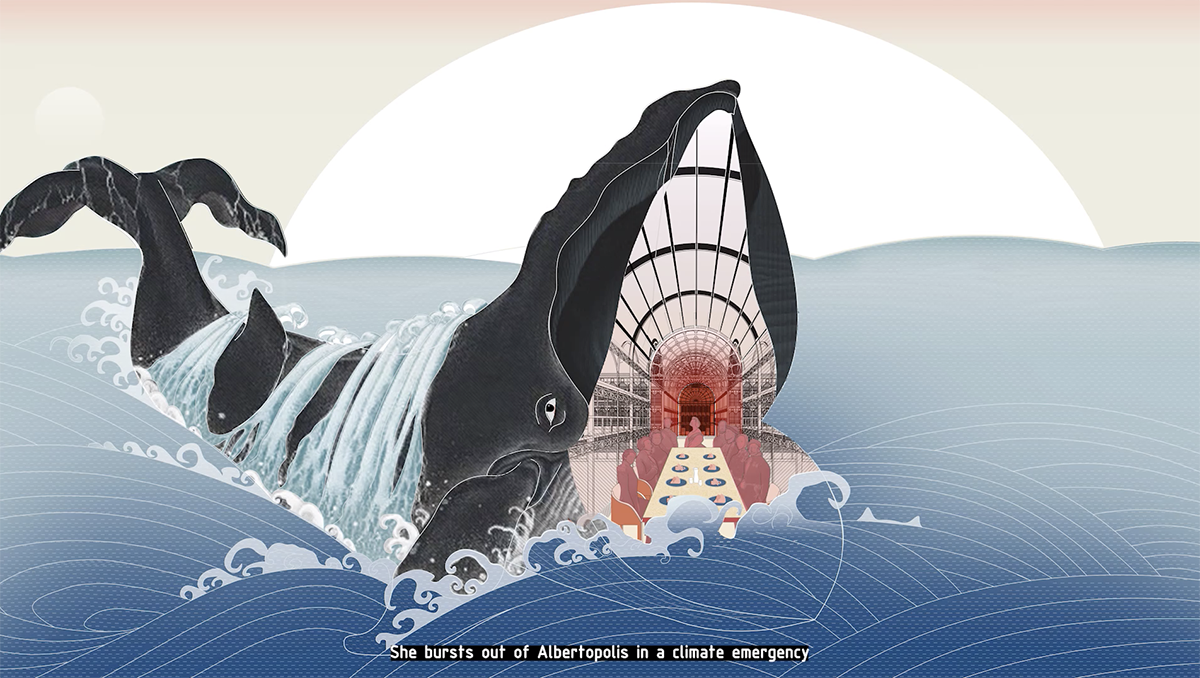
The Museu de Ciències Naturals de Barcelona (Natural Science Museum of Barcelona) is a prominent institution preserving over 130 years of natural history heritage, including more than three million specimens in mineralogy, petrology, paleontology, zoology, and botany. Since 2011, it mainly operates from the iconic Forum Building at Parc del Fòrum, designed by architects Herzog & de Meuron. One of the museum’s most emblematic piece is a 20-meter-long skeleton of a whale beached at Cap de Ras, Llançà in Costa Brava in 1862. This iconic cetacean is now called “Brava” – which means “wild” in Catalan and Spanish. Since the 1950s, tourism has taken over from fishing as the principal economy of Costa Brava with a large number of hotels and sea resorts, and mainly for package holiday tourists from Europe.
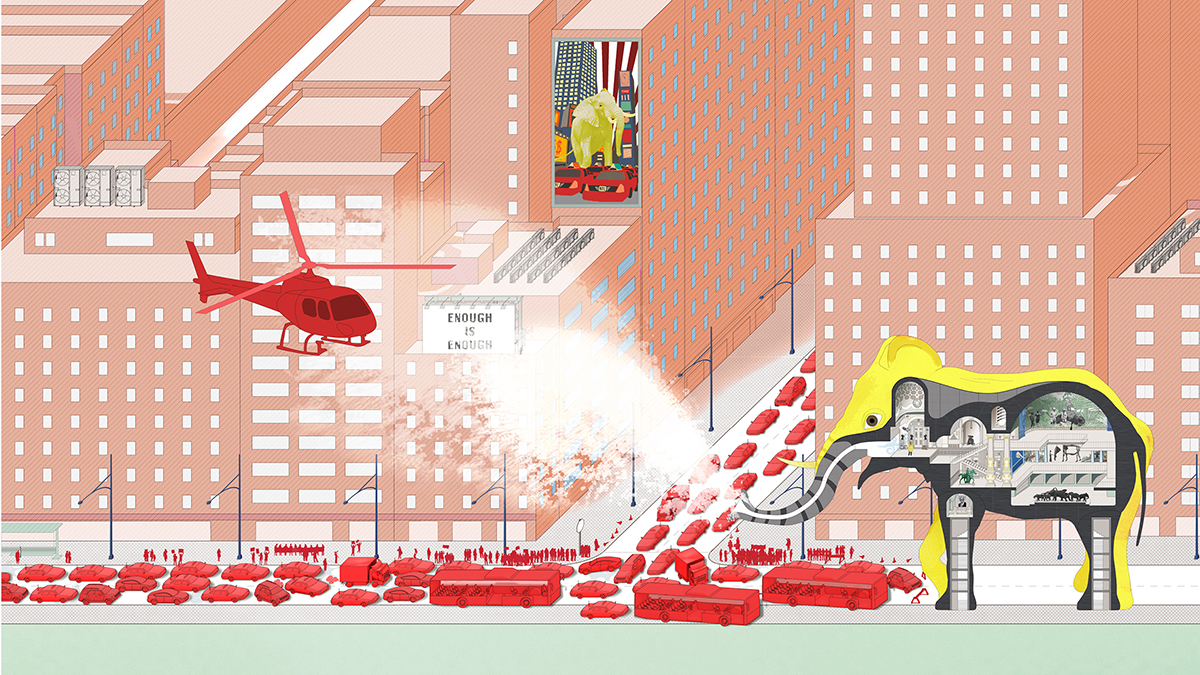
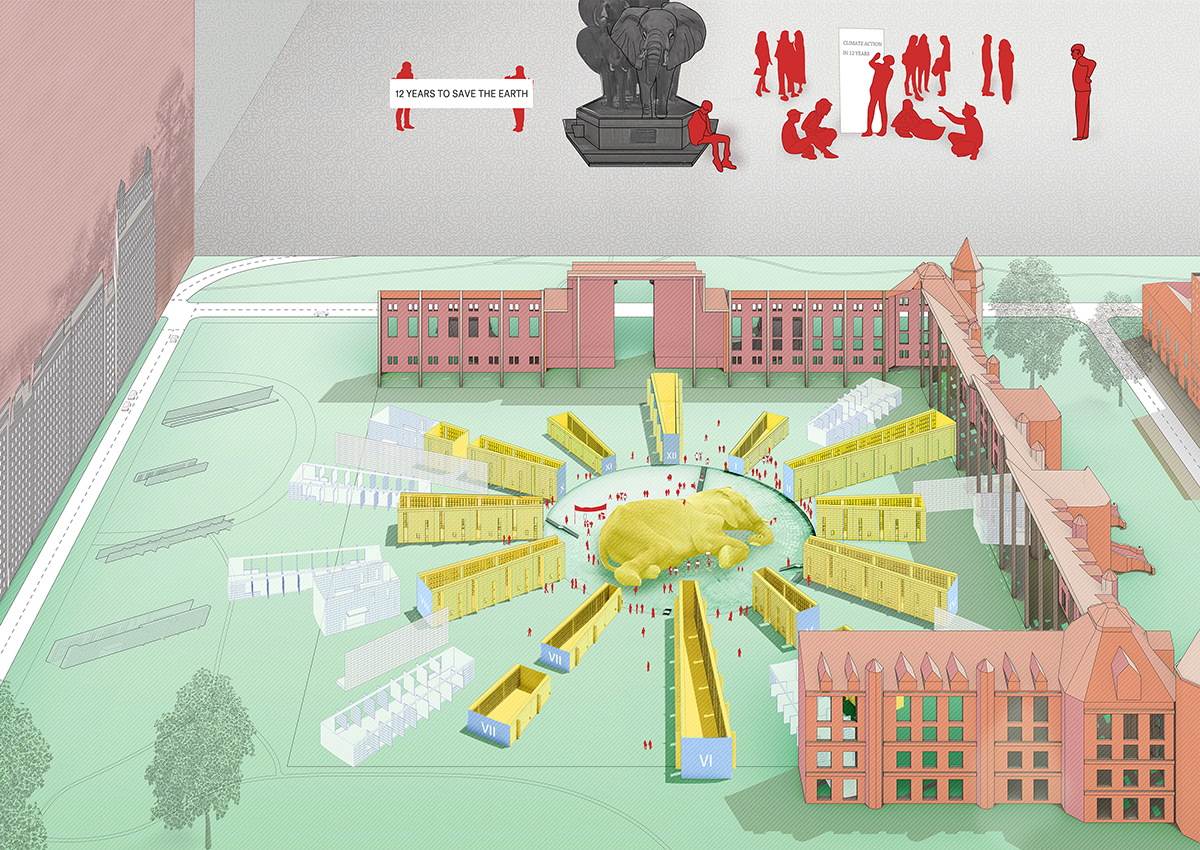
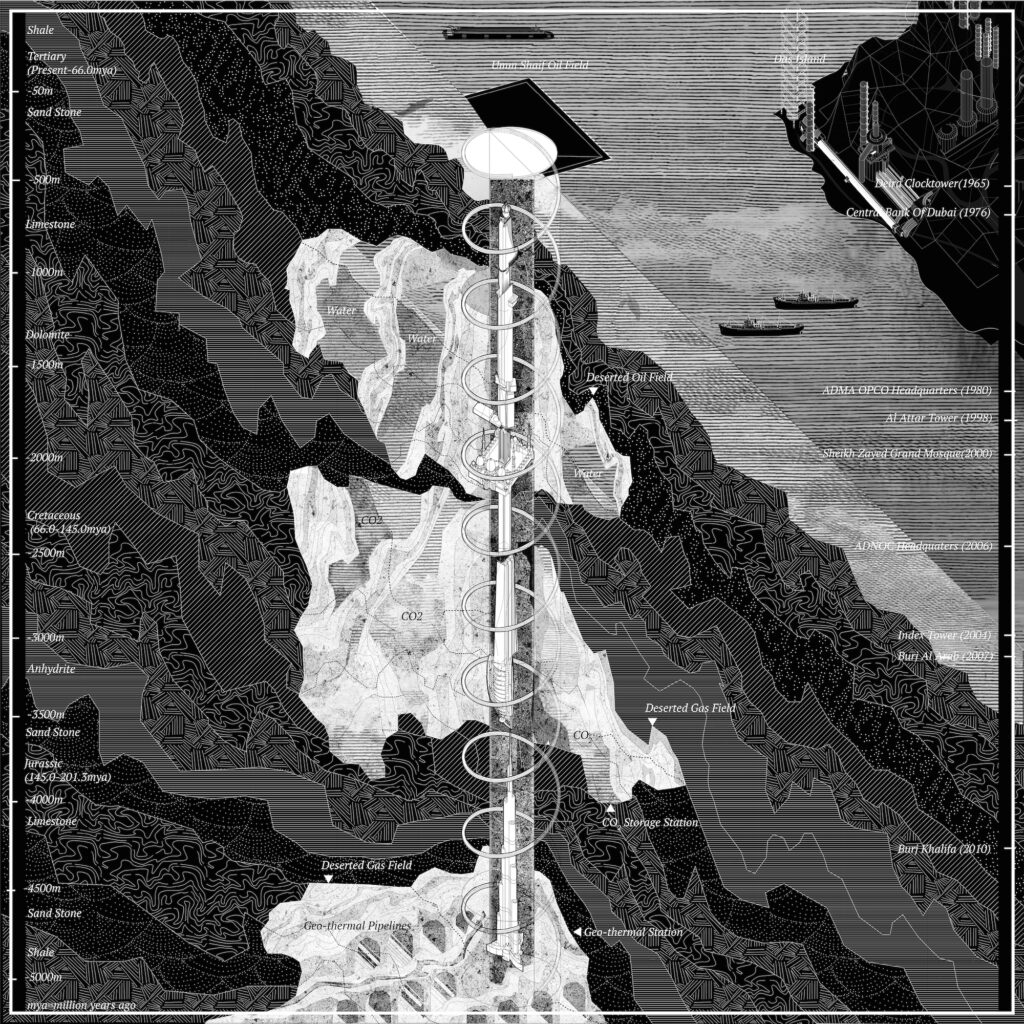
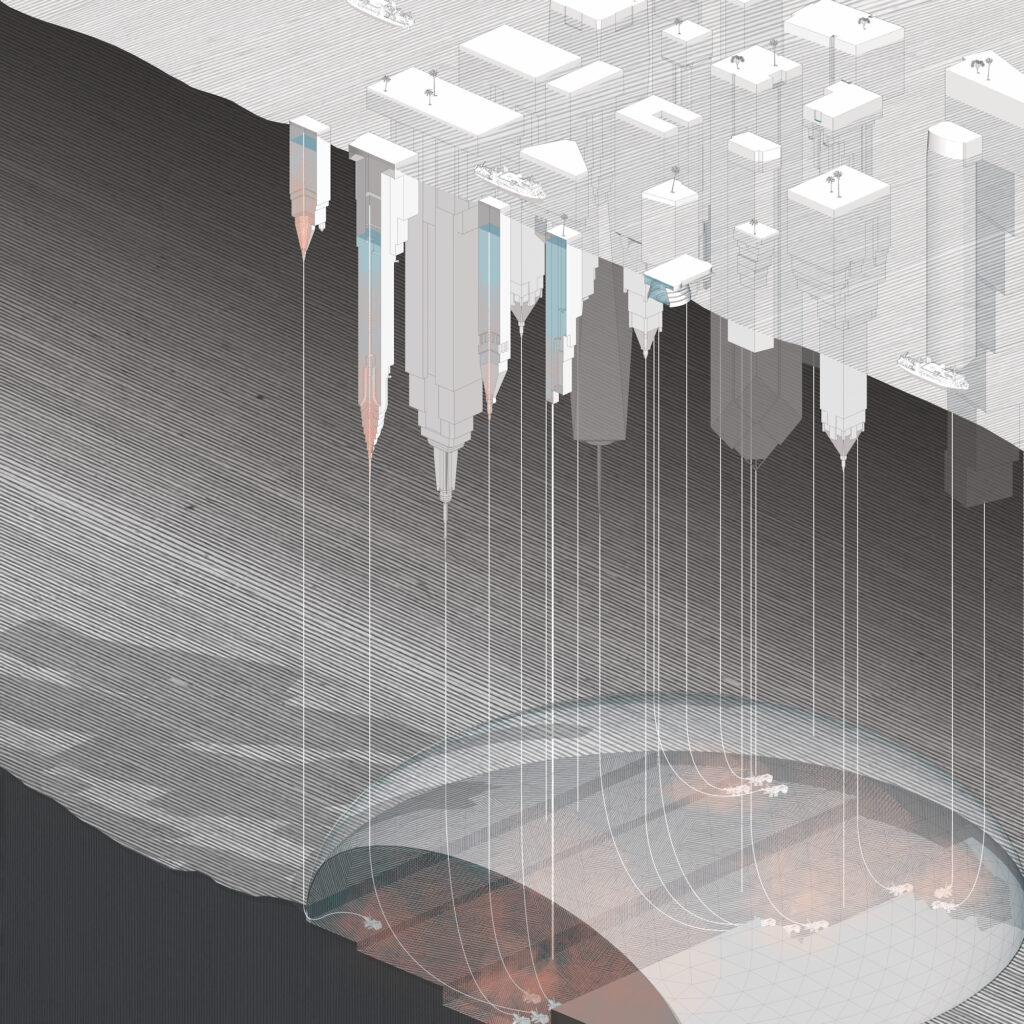
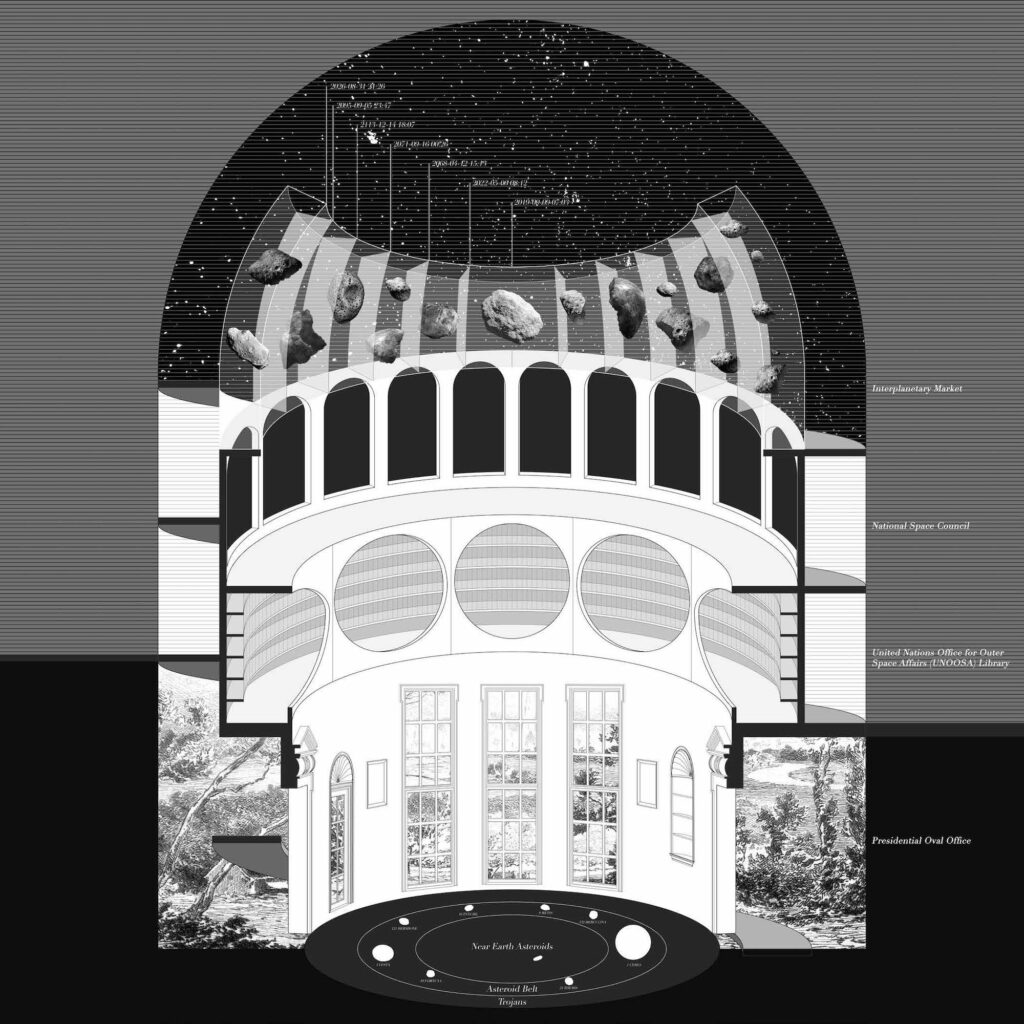
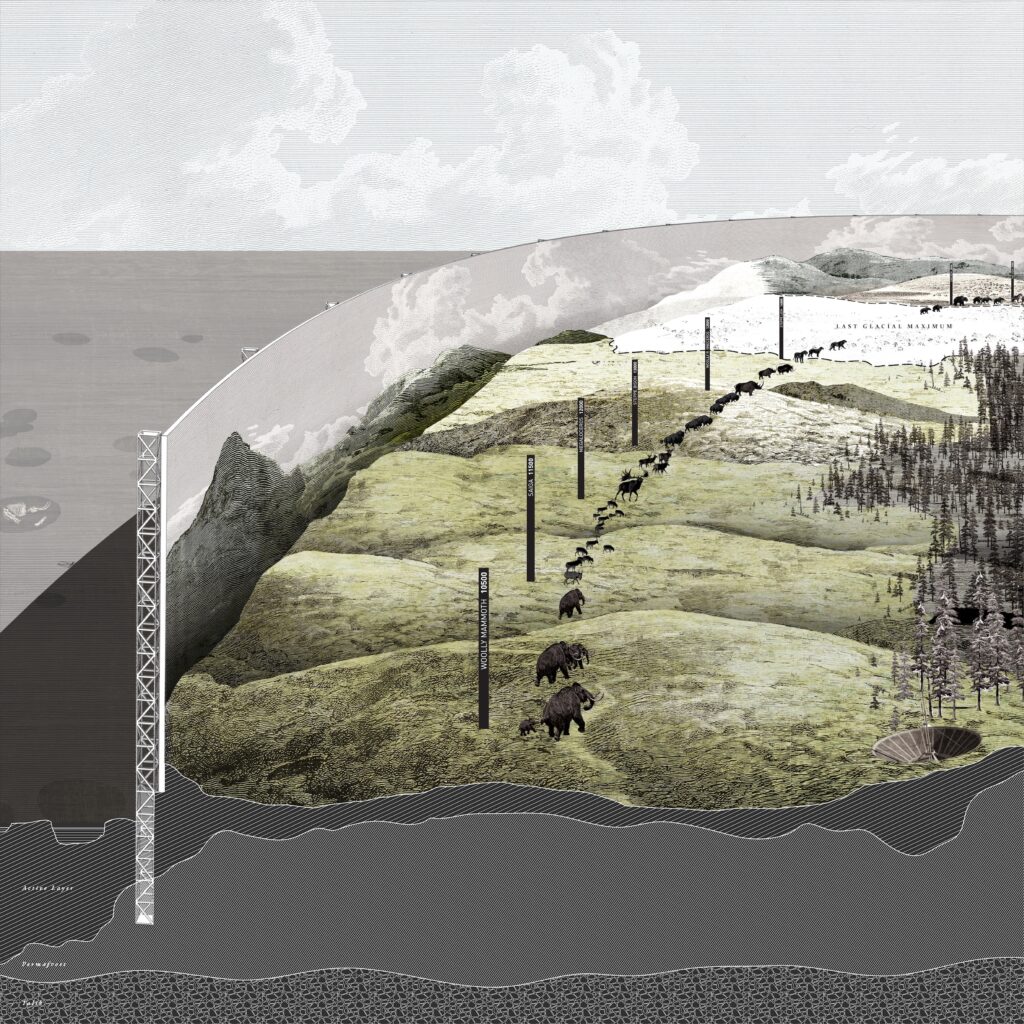
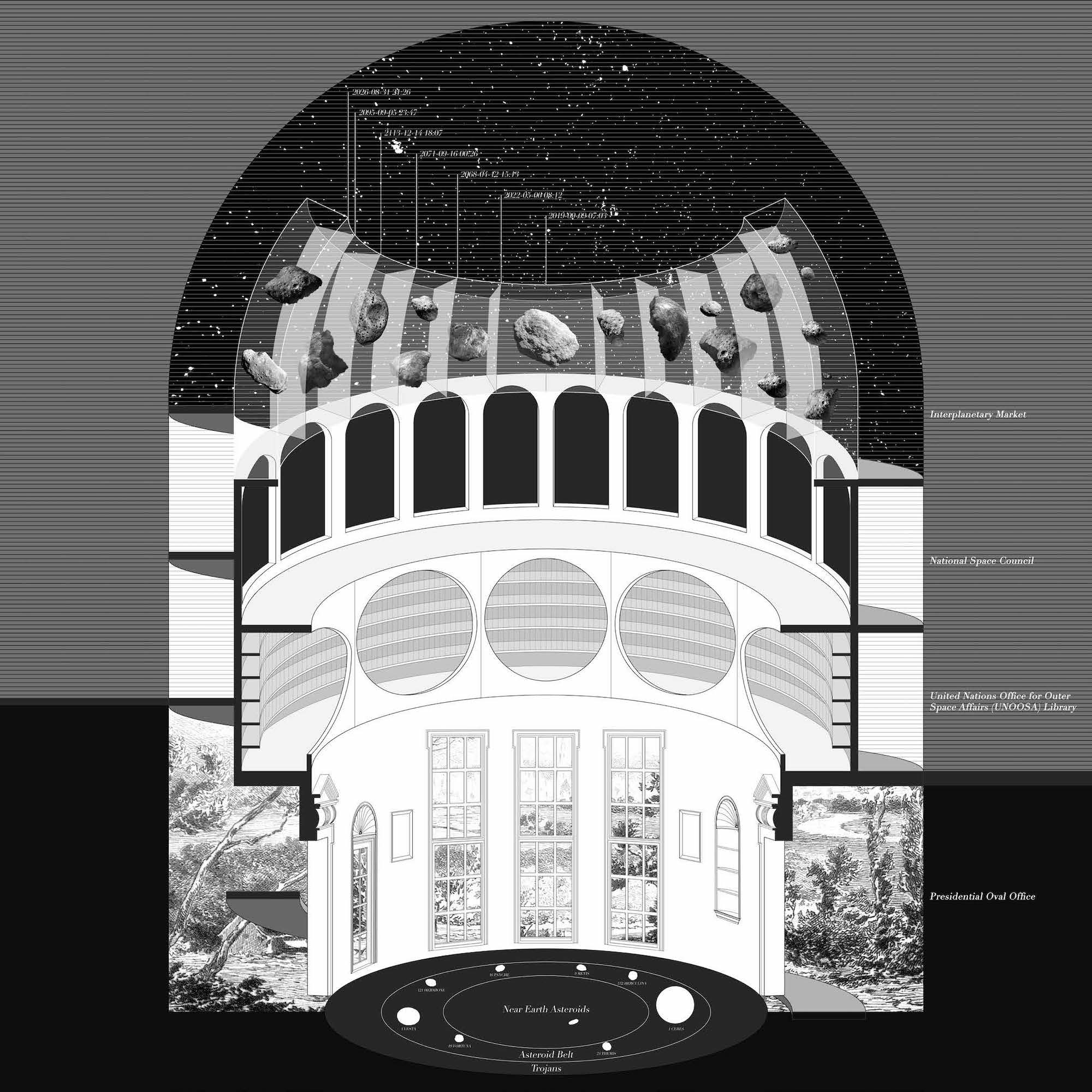
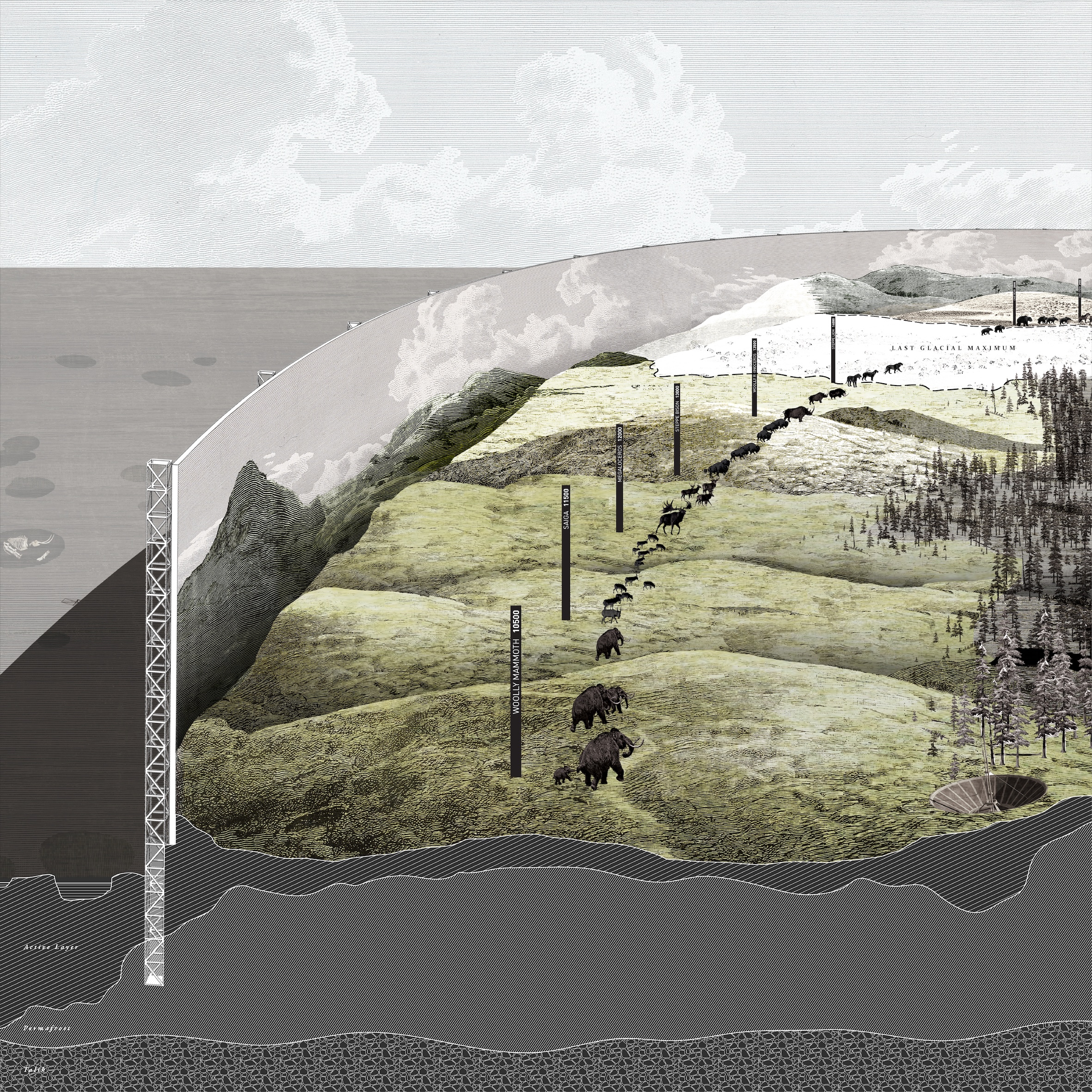
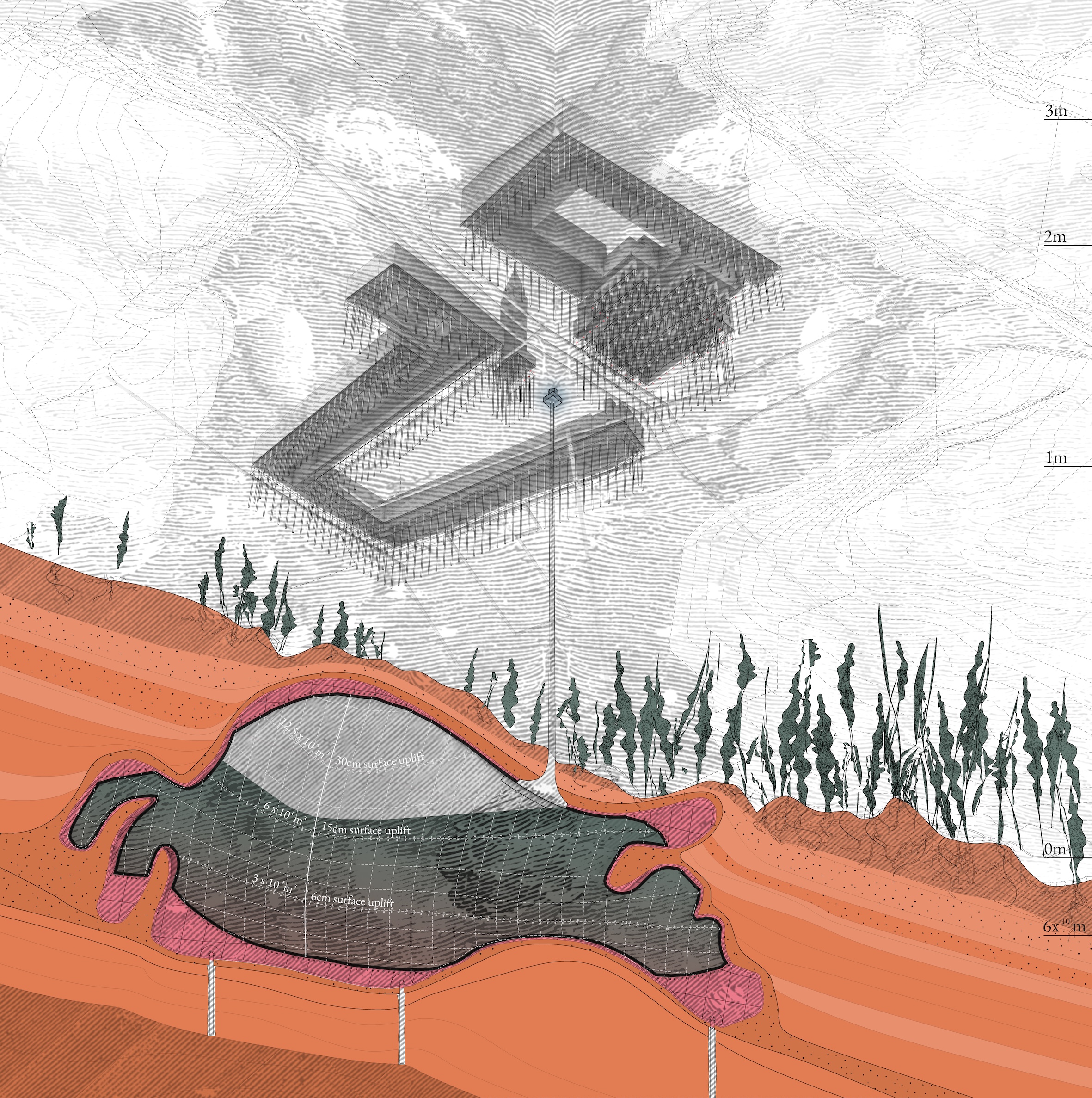
DESIGN EARTH’s ongoing project is a series of fables that addresses the elephant in the room—the climate crisis—by animating charismatic figures from natural history museums. This design research identifies and leverages figures from the collections all while unsettling the museum apparatus—the devices, archives, histories, and audiences. The fragmentary remains of such creatures are animated, brought back to life, so to speak in rhyming verse, colorful imagery, and with some poignant humor. In Barcelona, this speculative fiction workshop will curate a media archive on the specimen, museum, city and region, with focus on the cultural prehistory, present, and speculative futures of the Mediterranean coast and of marine life.