
Congress Sessions
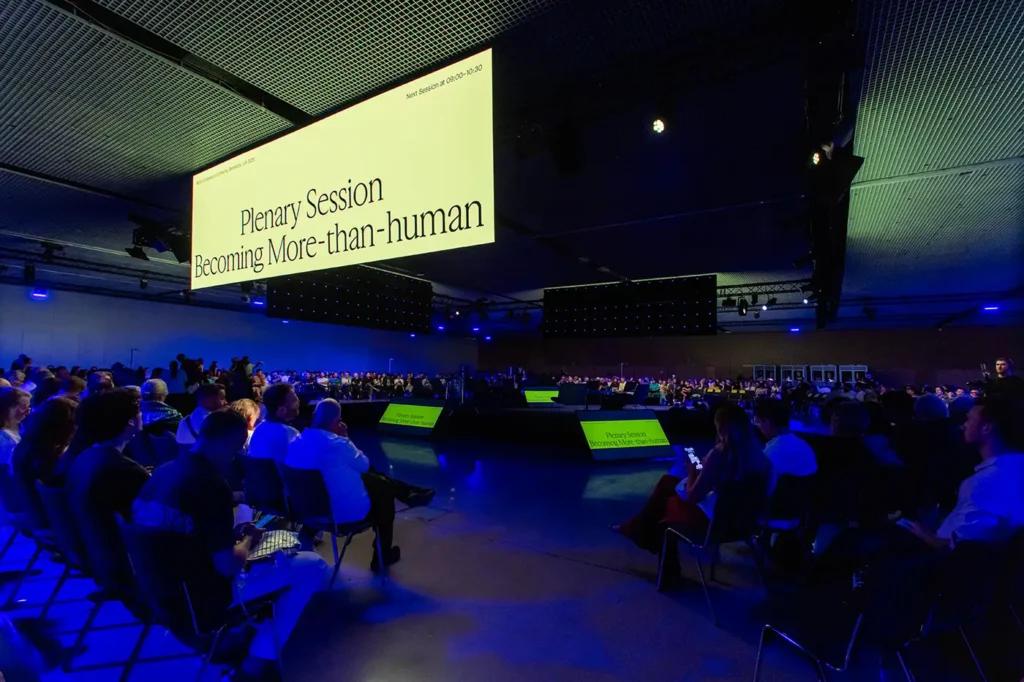
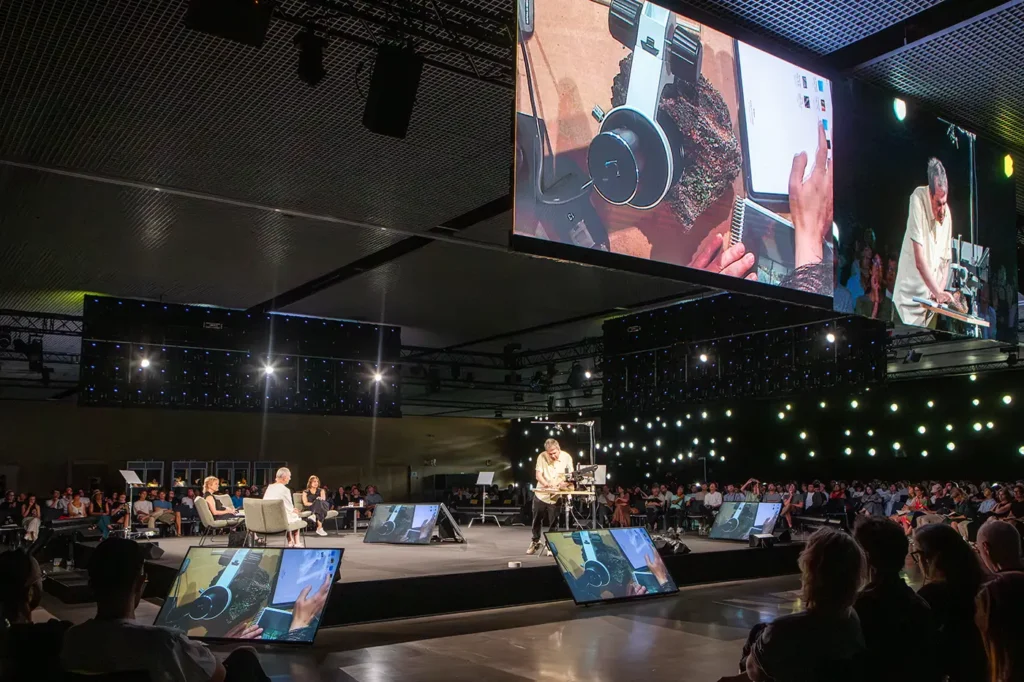
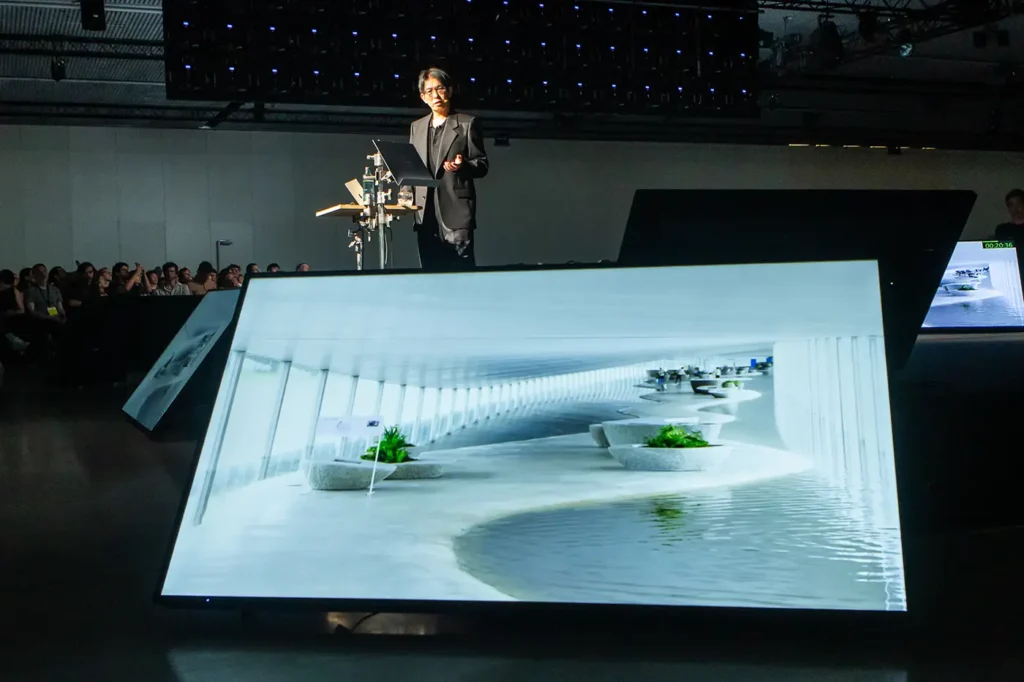
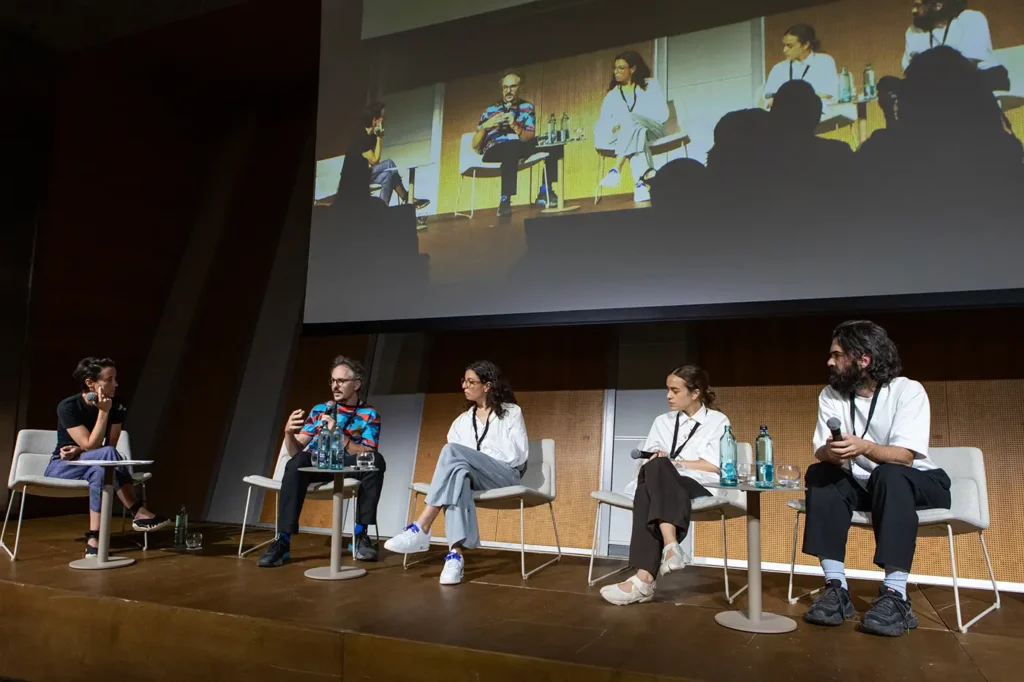
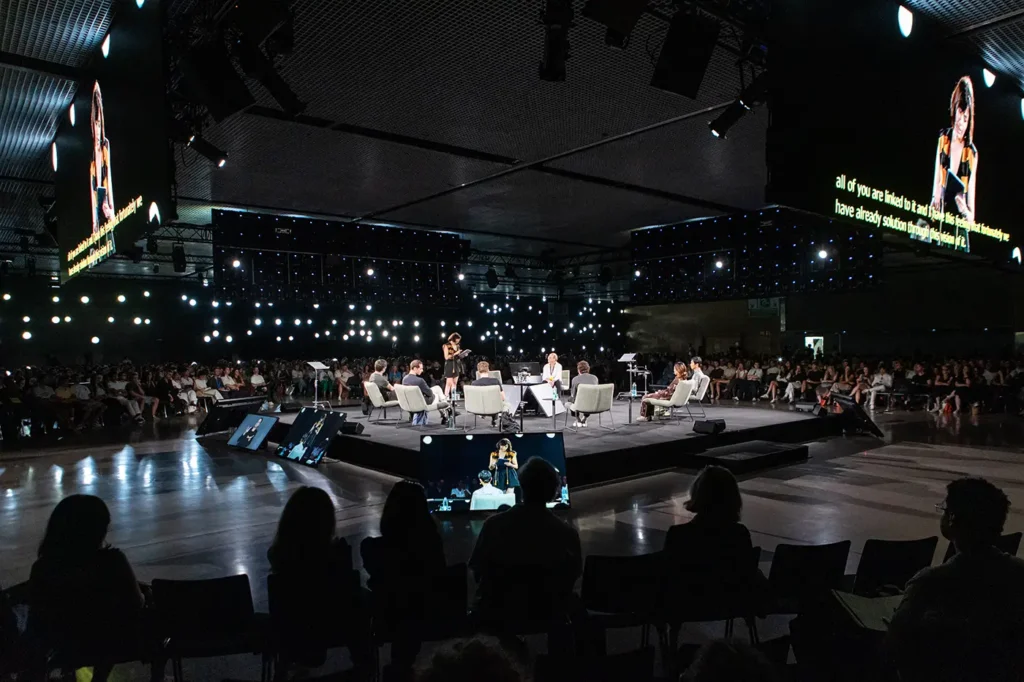
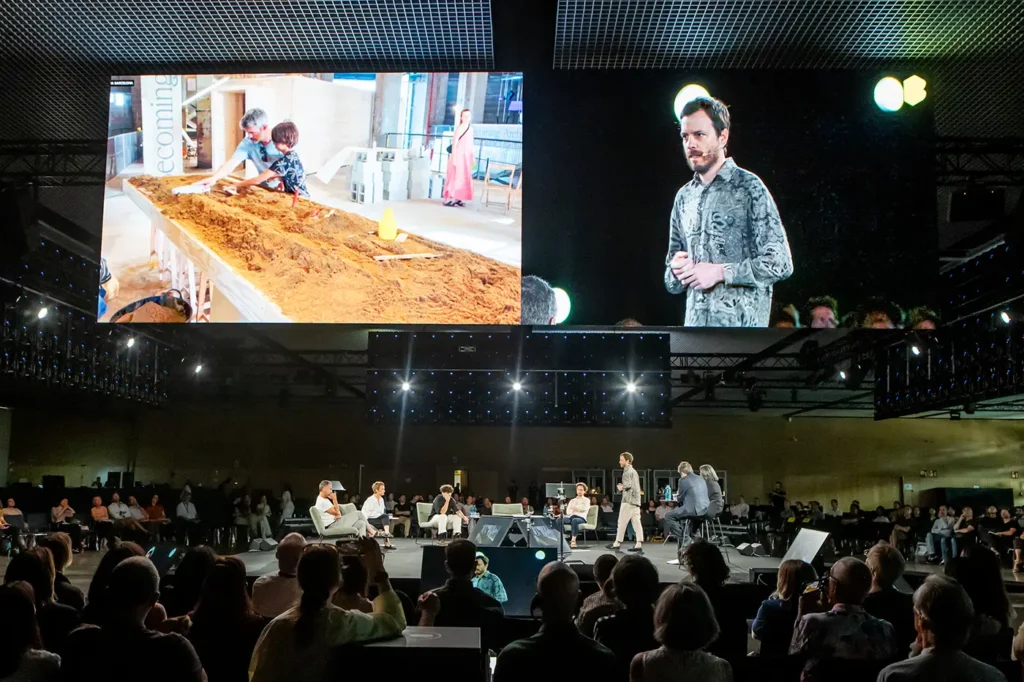
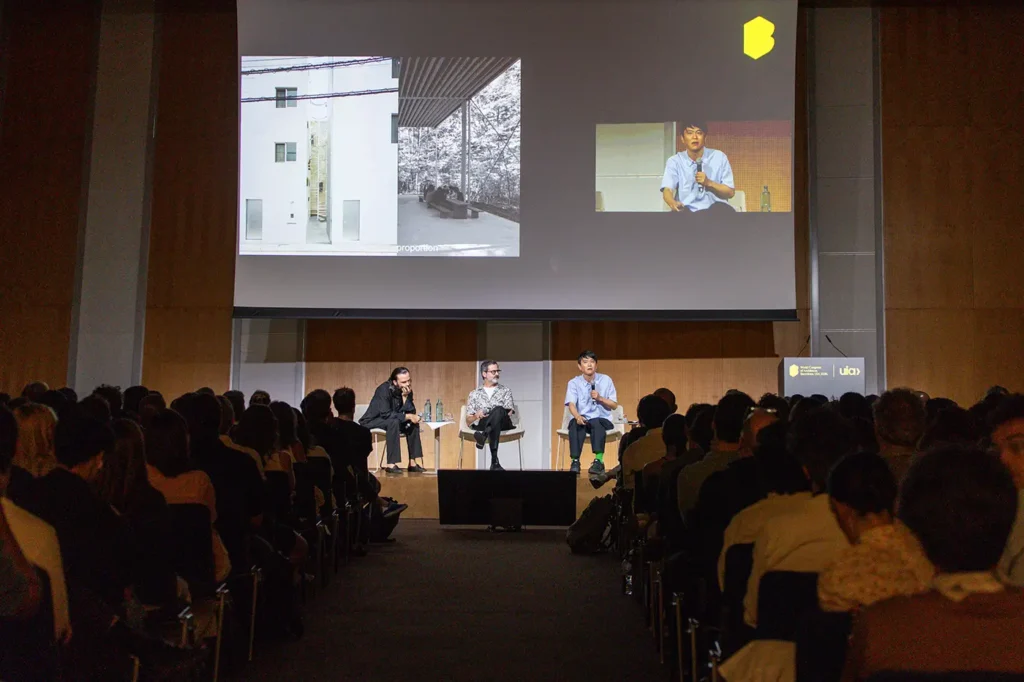
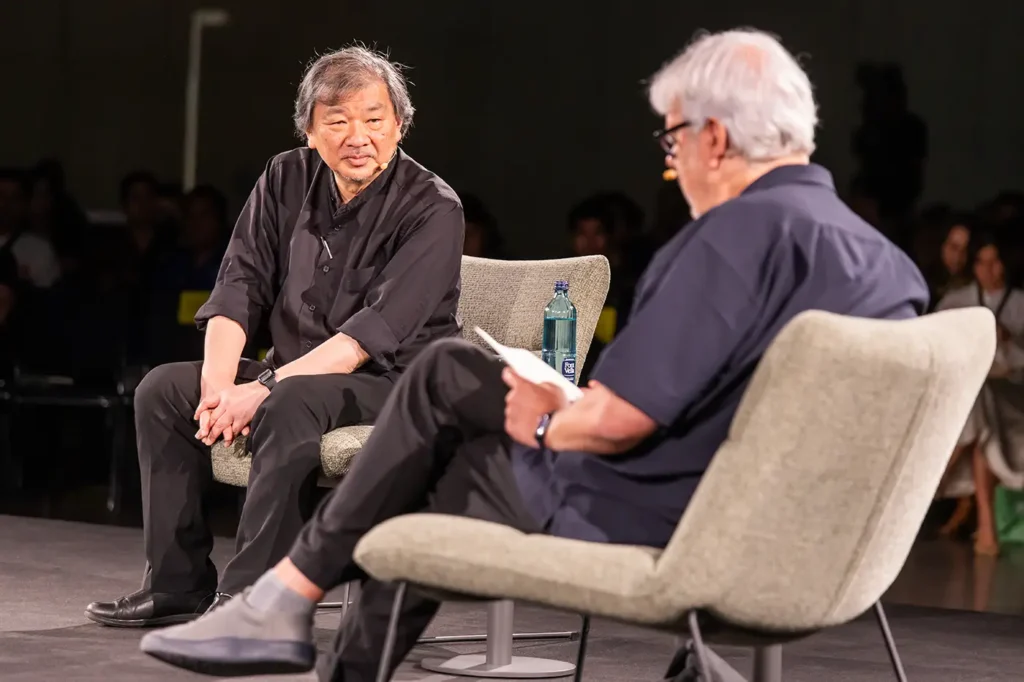
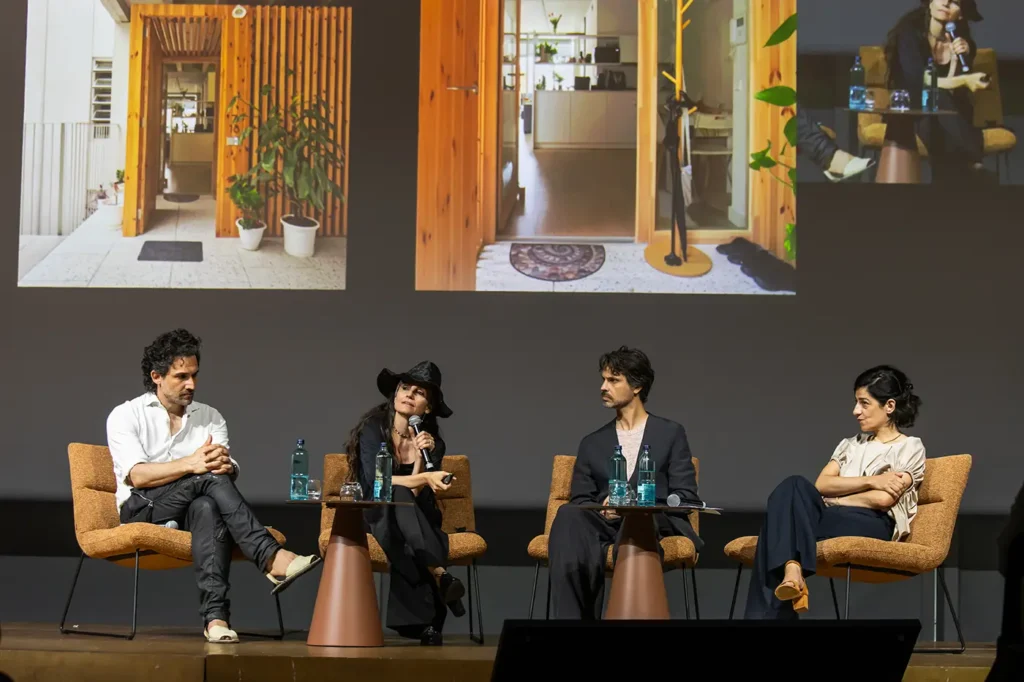
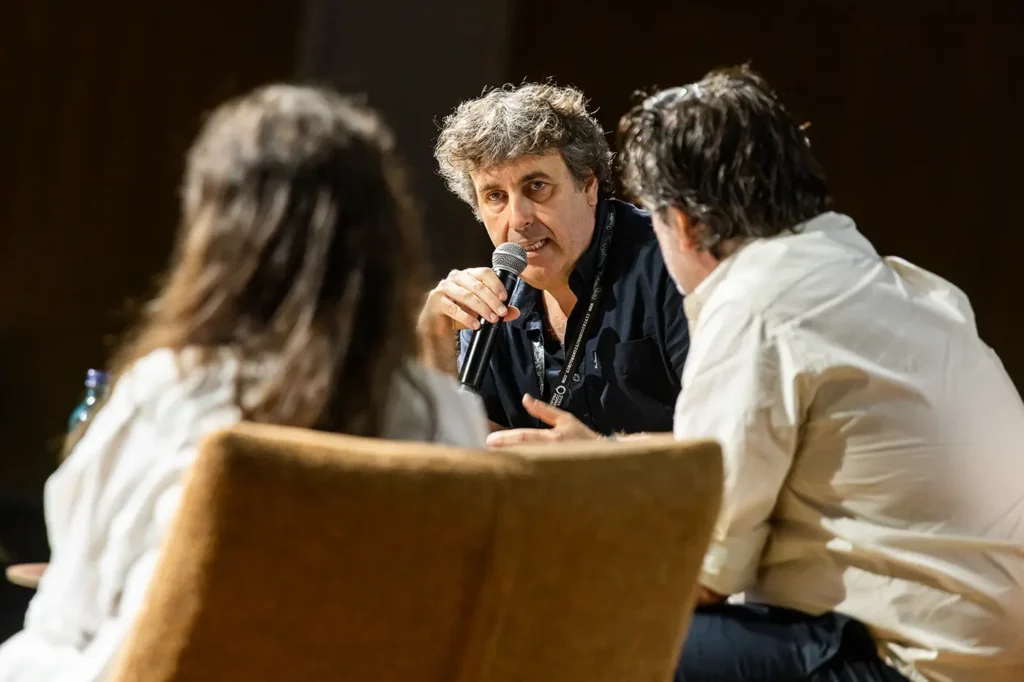
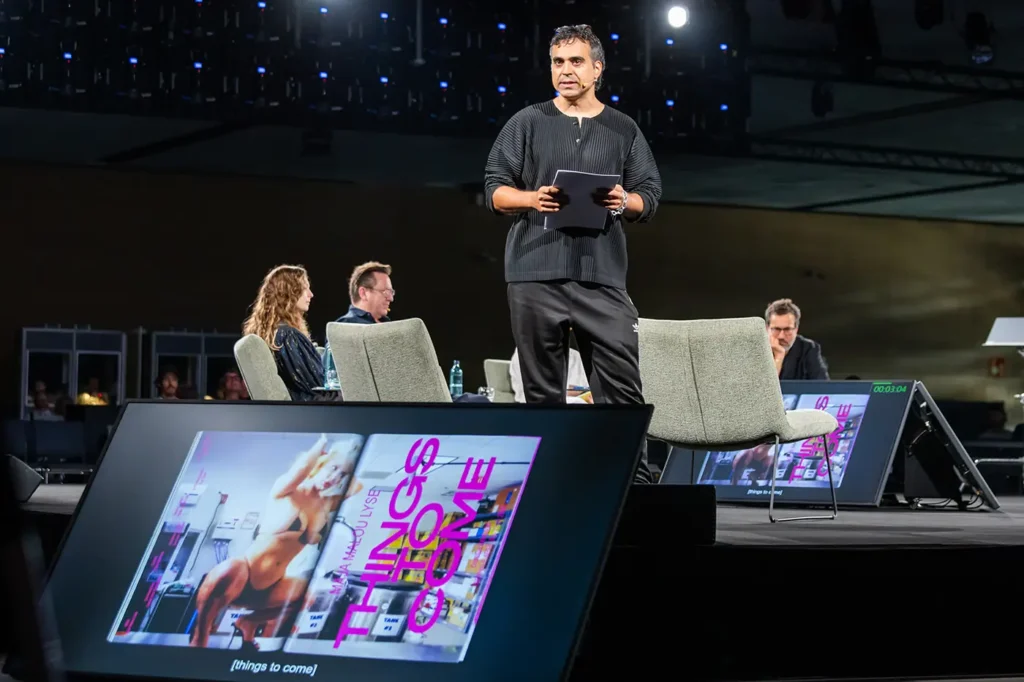
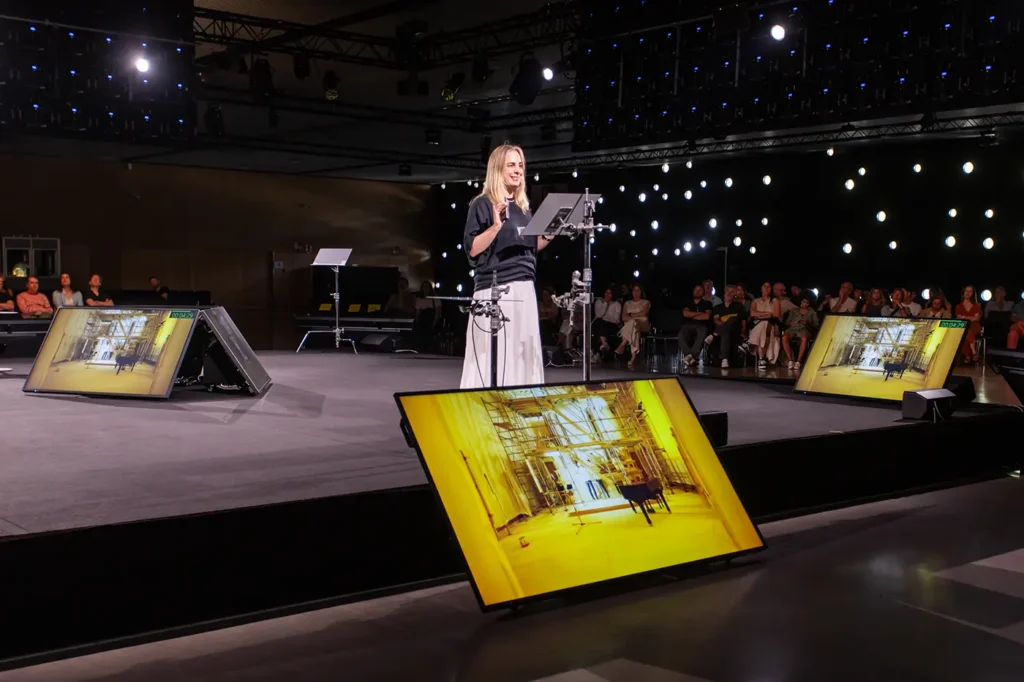
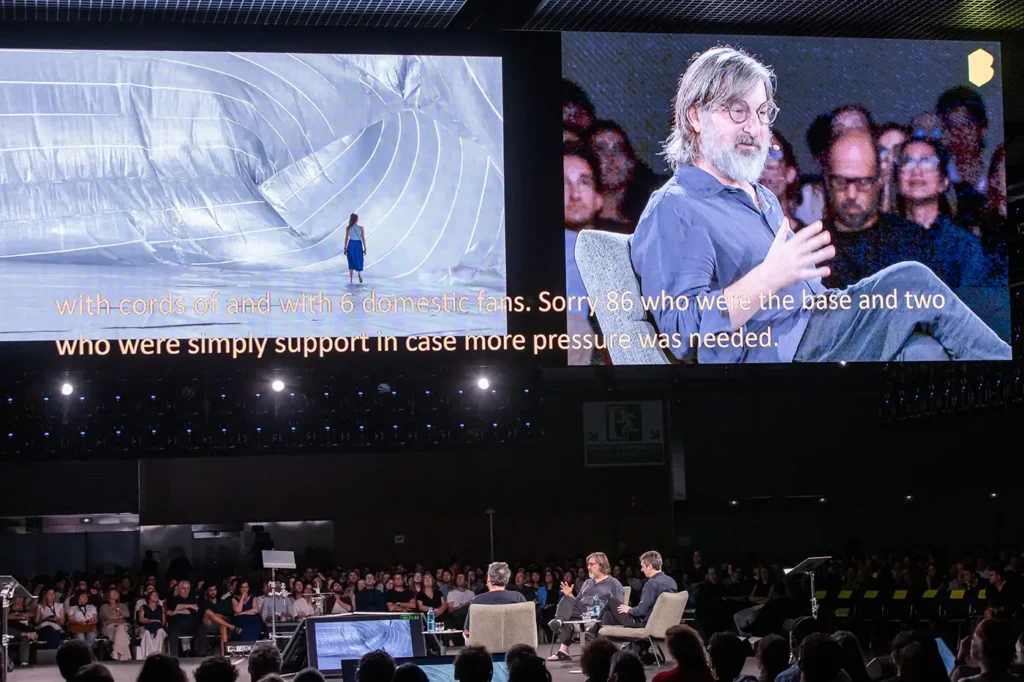
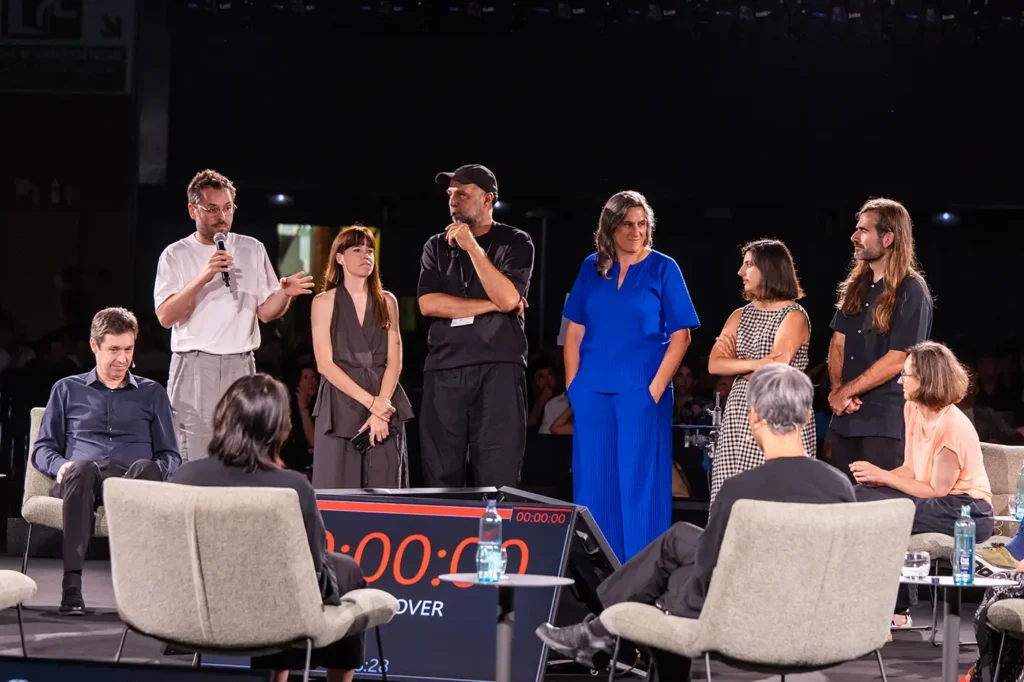
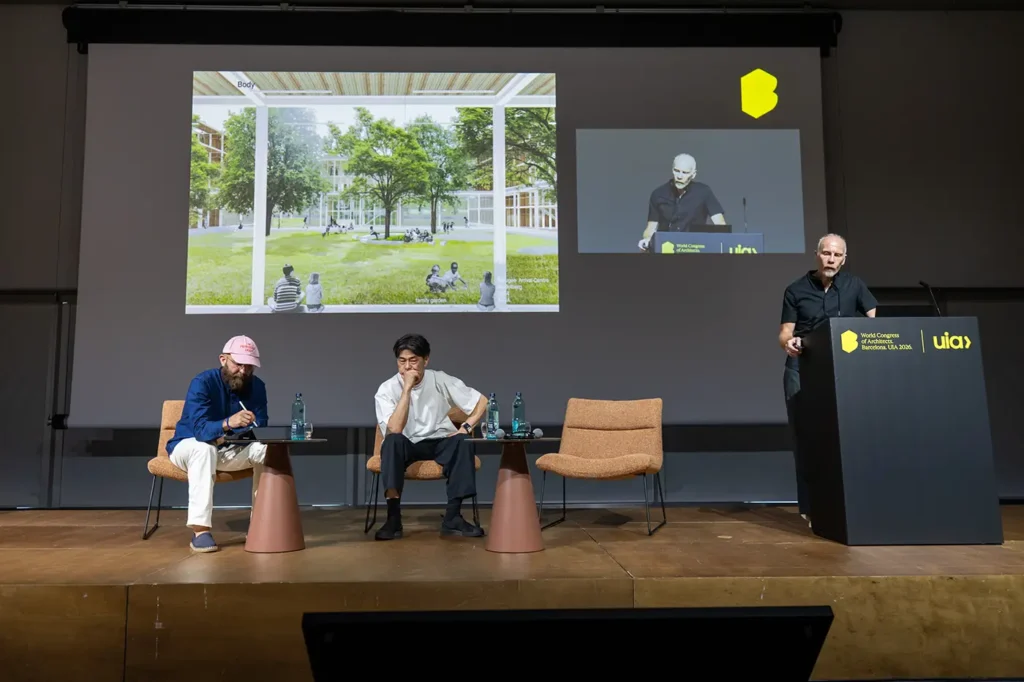
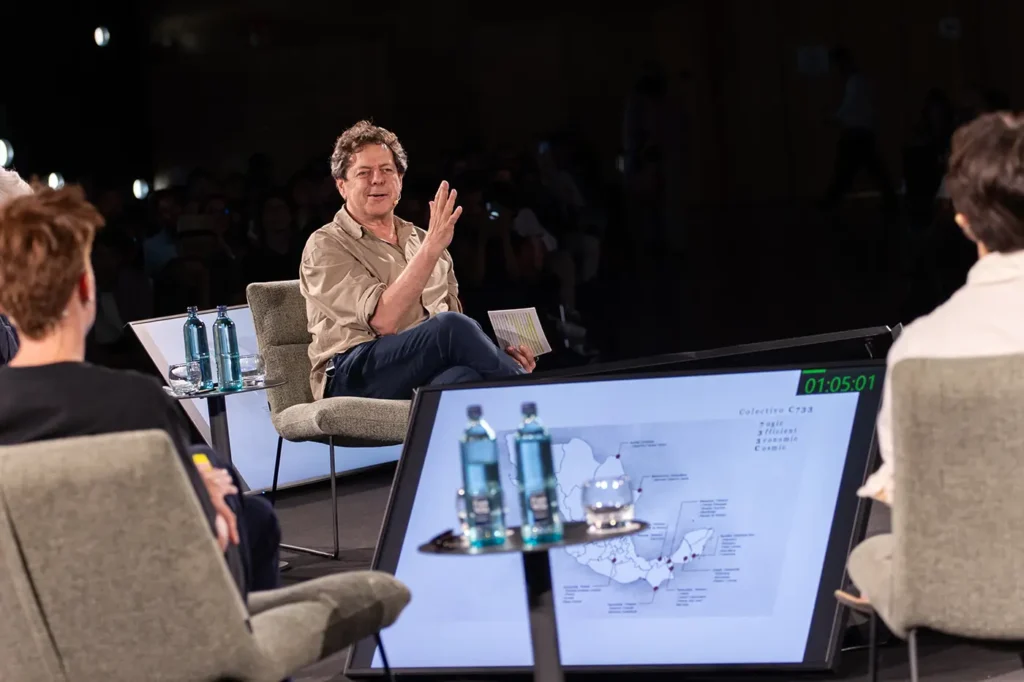
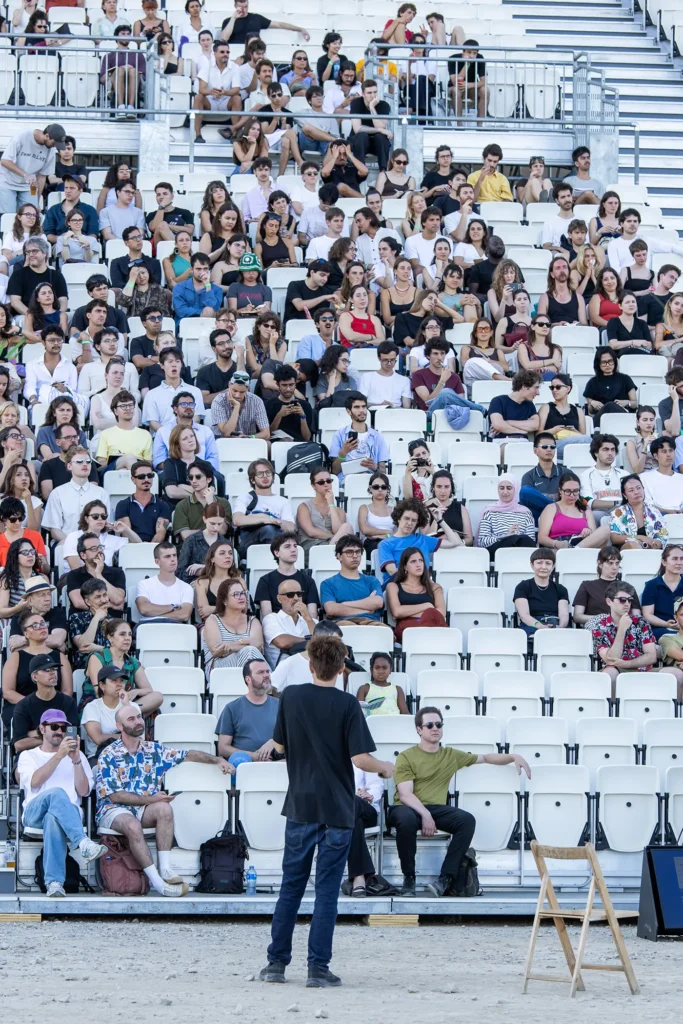
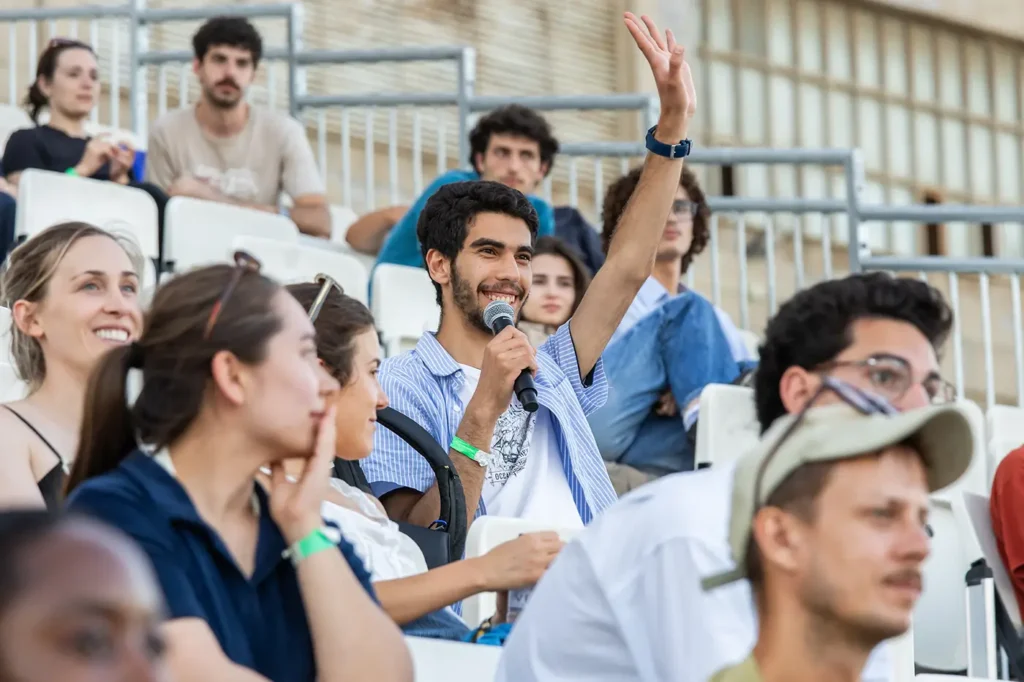
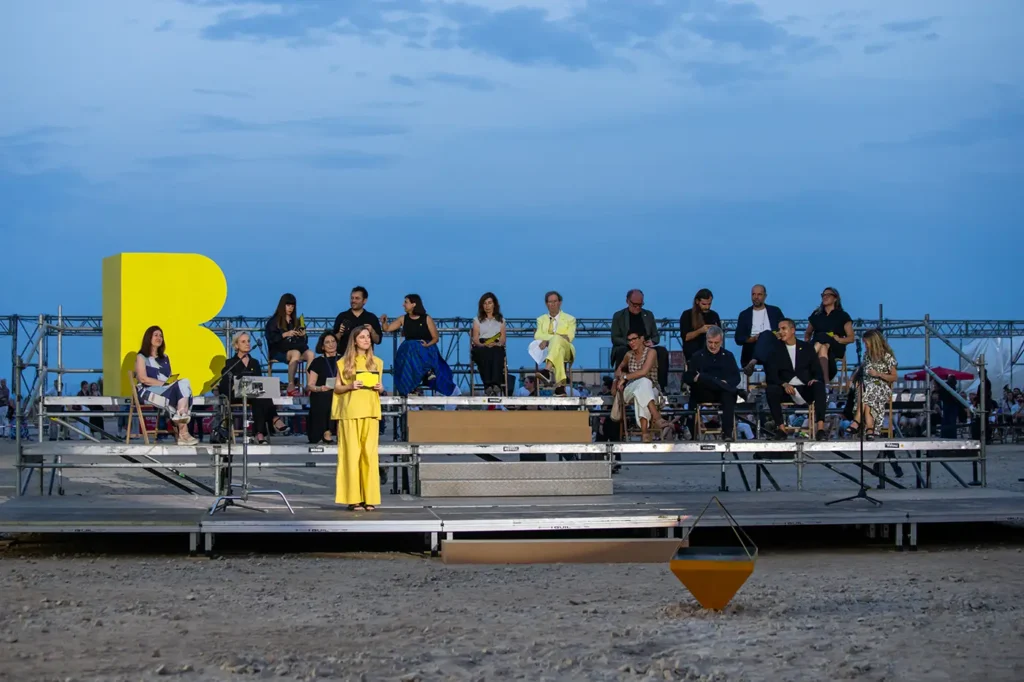
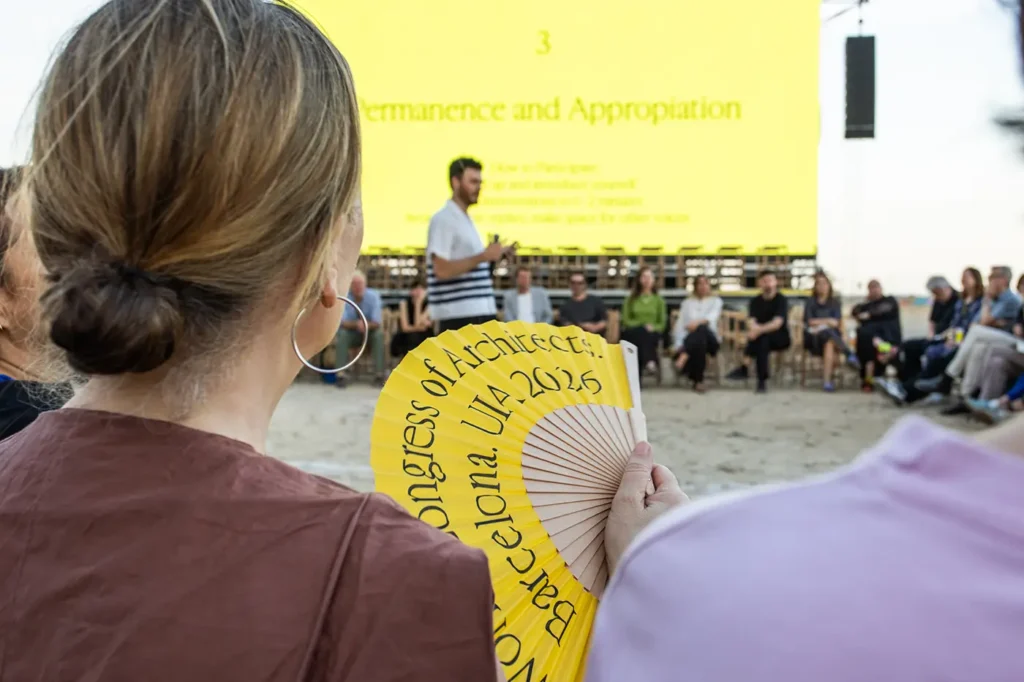
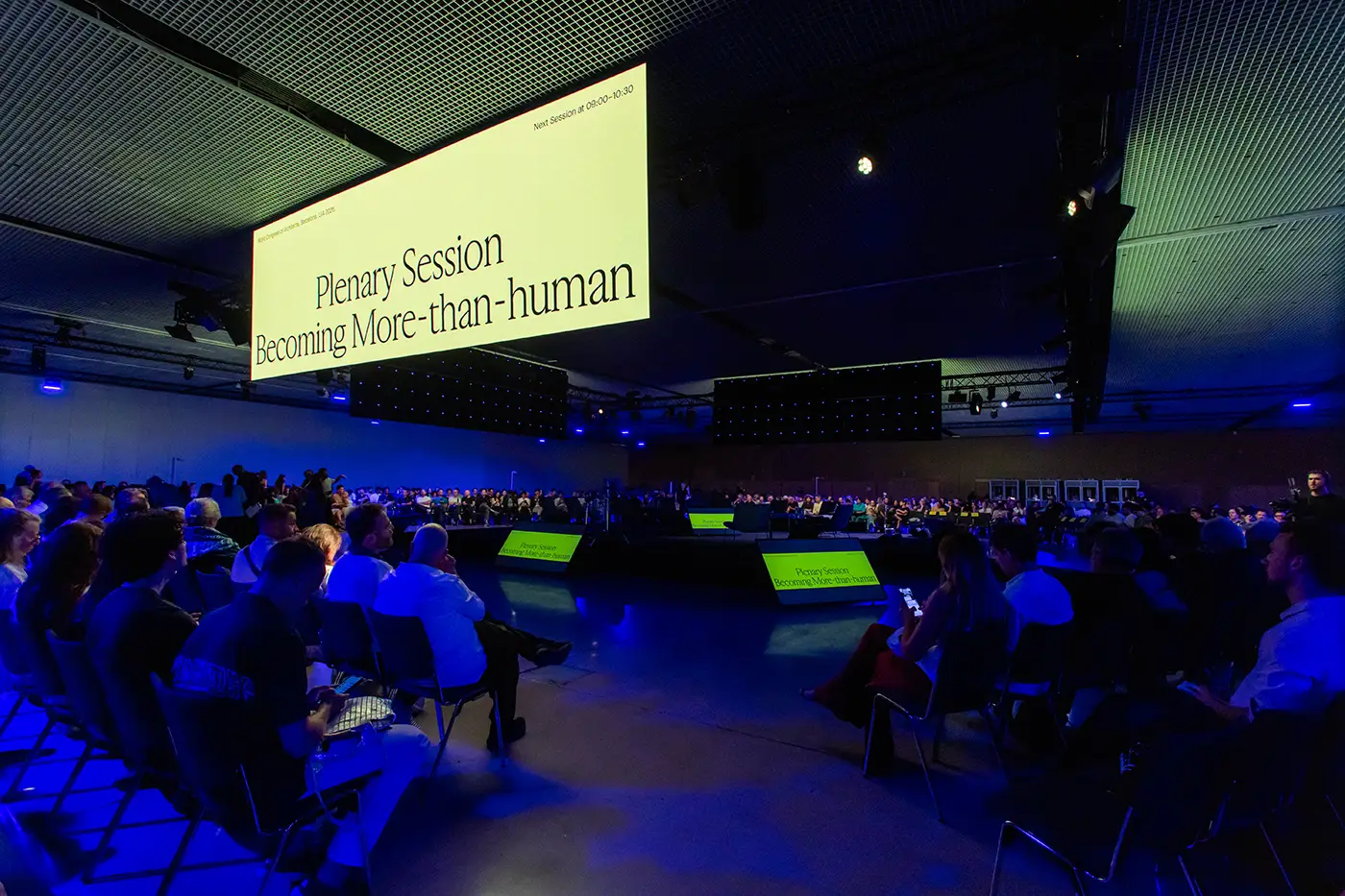
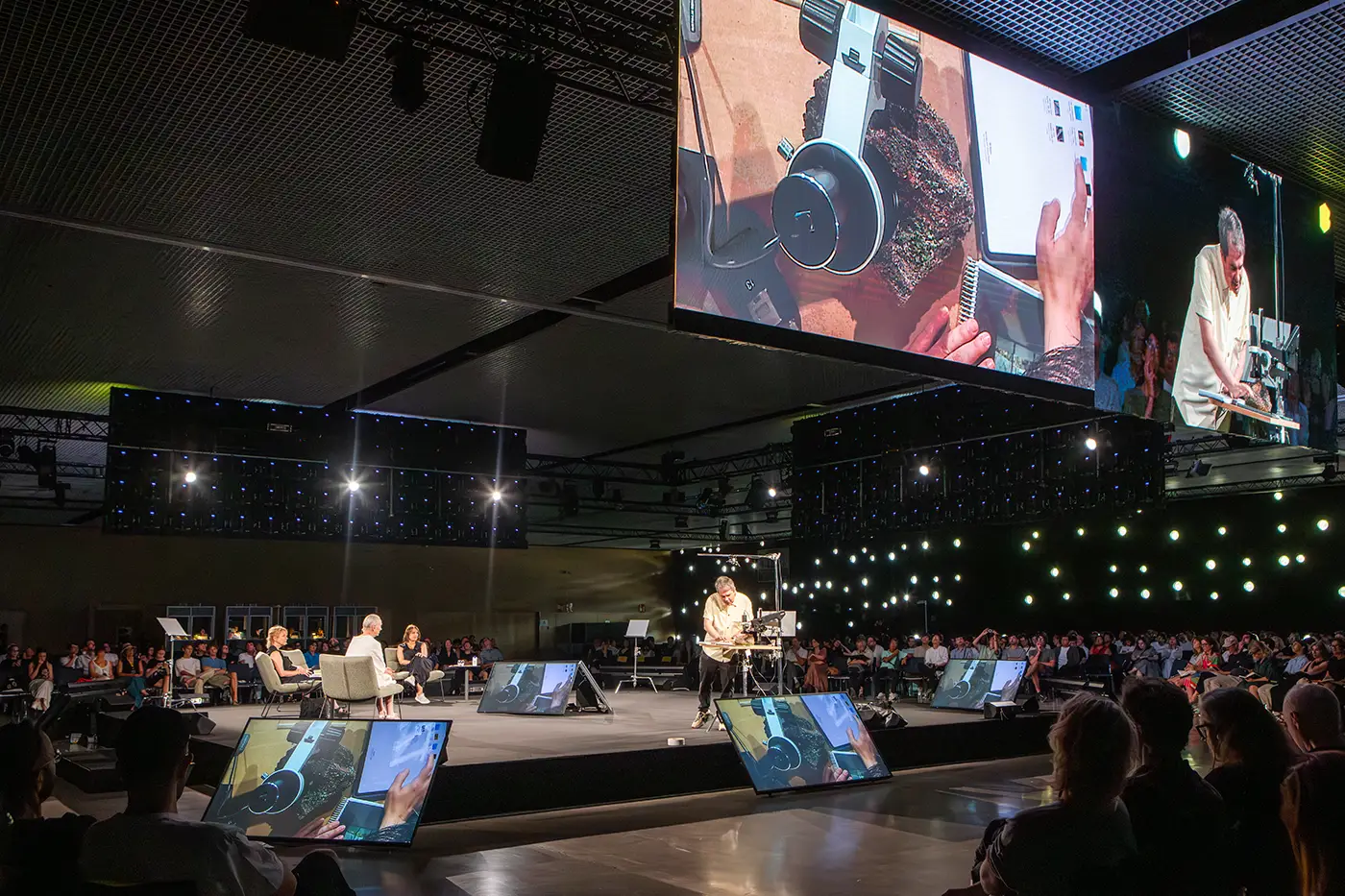
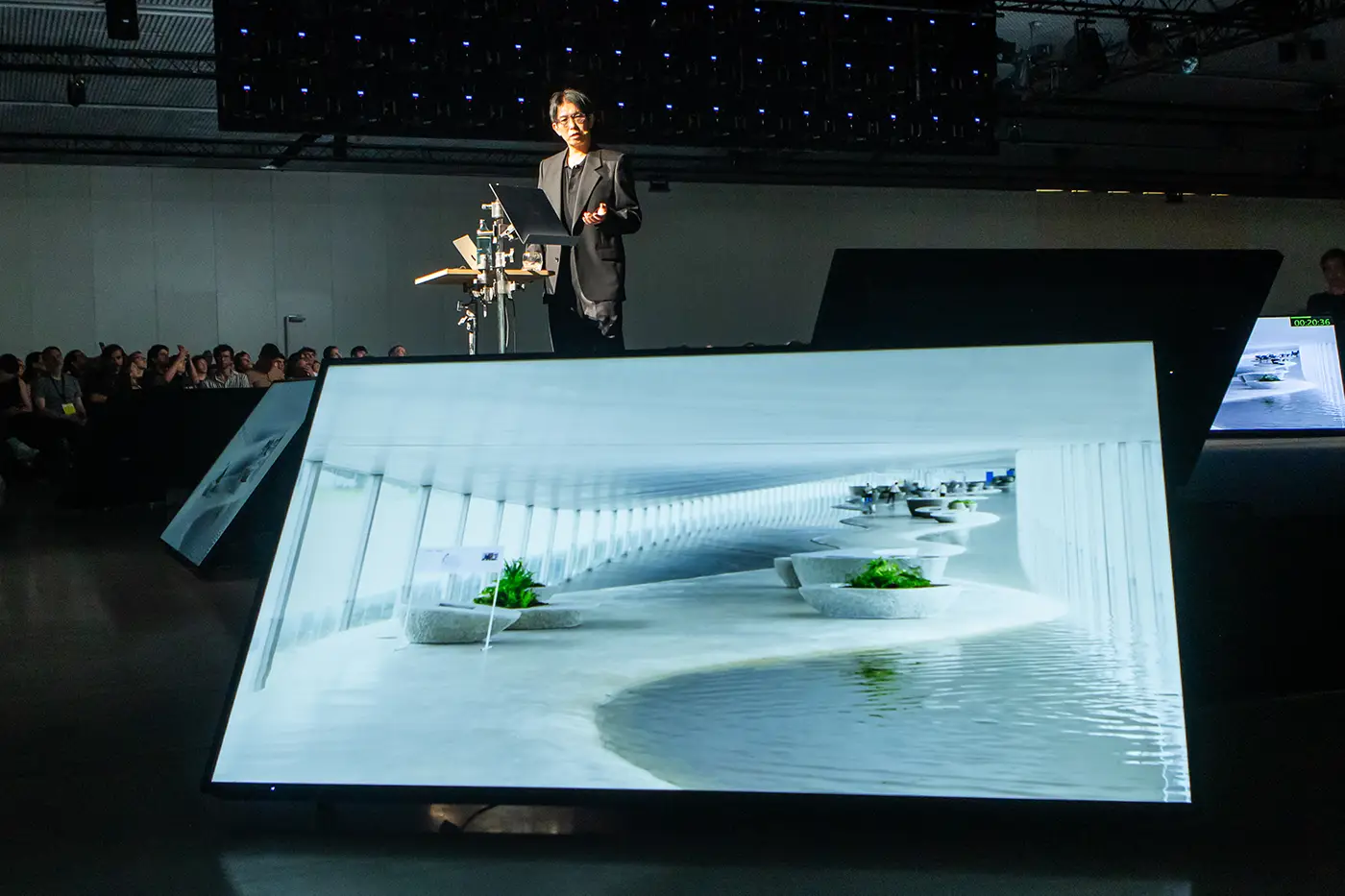
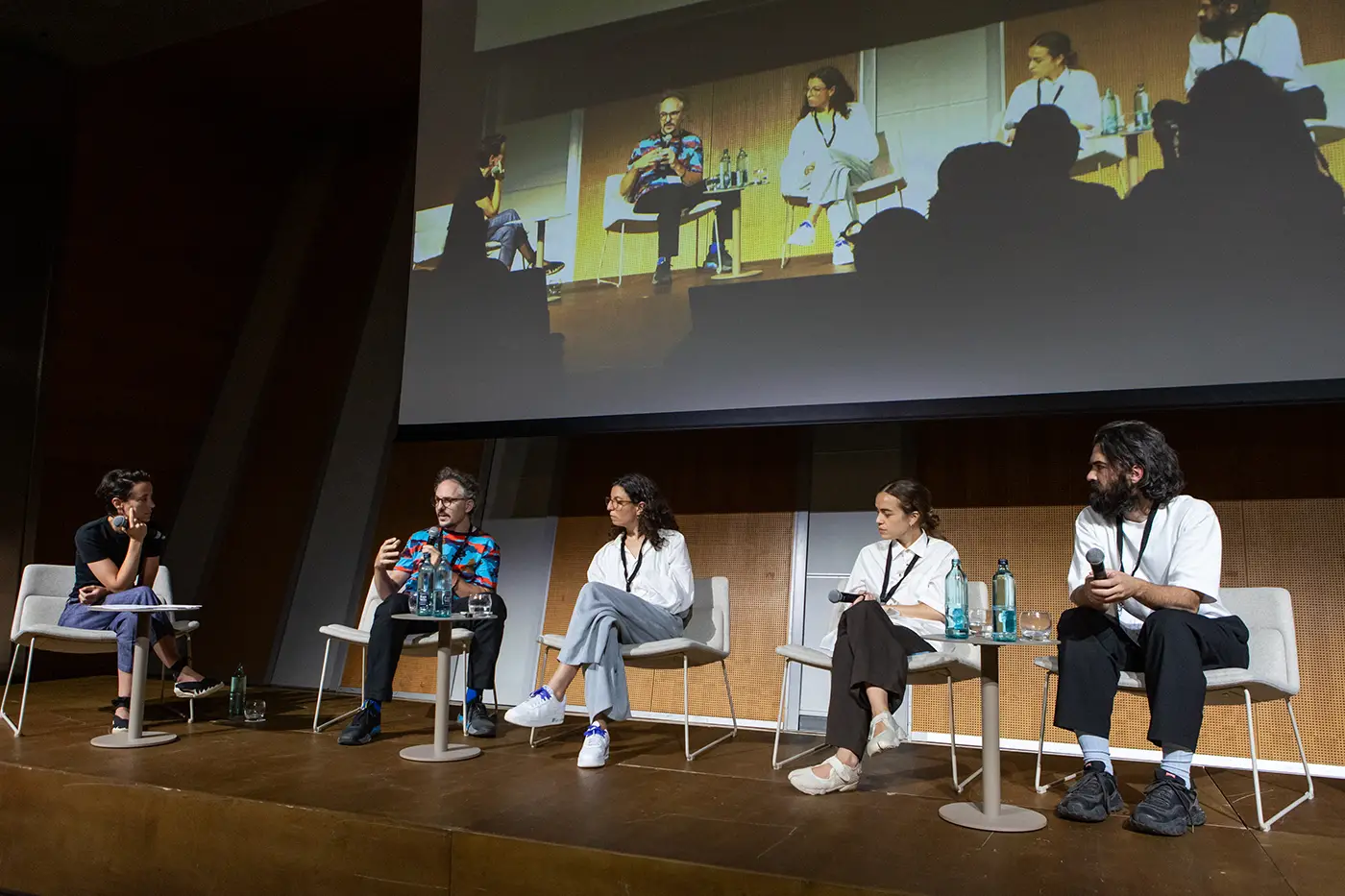
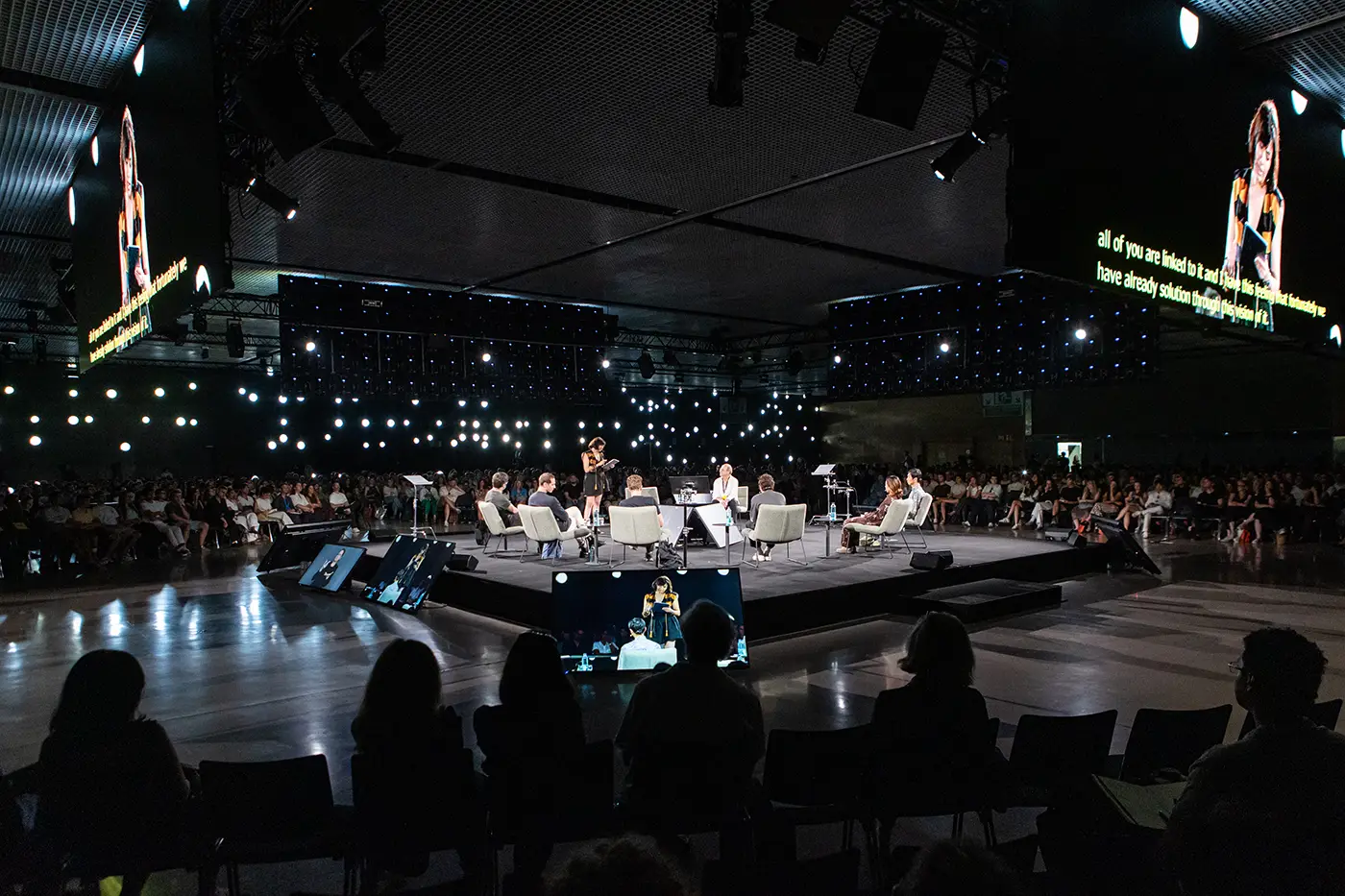
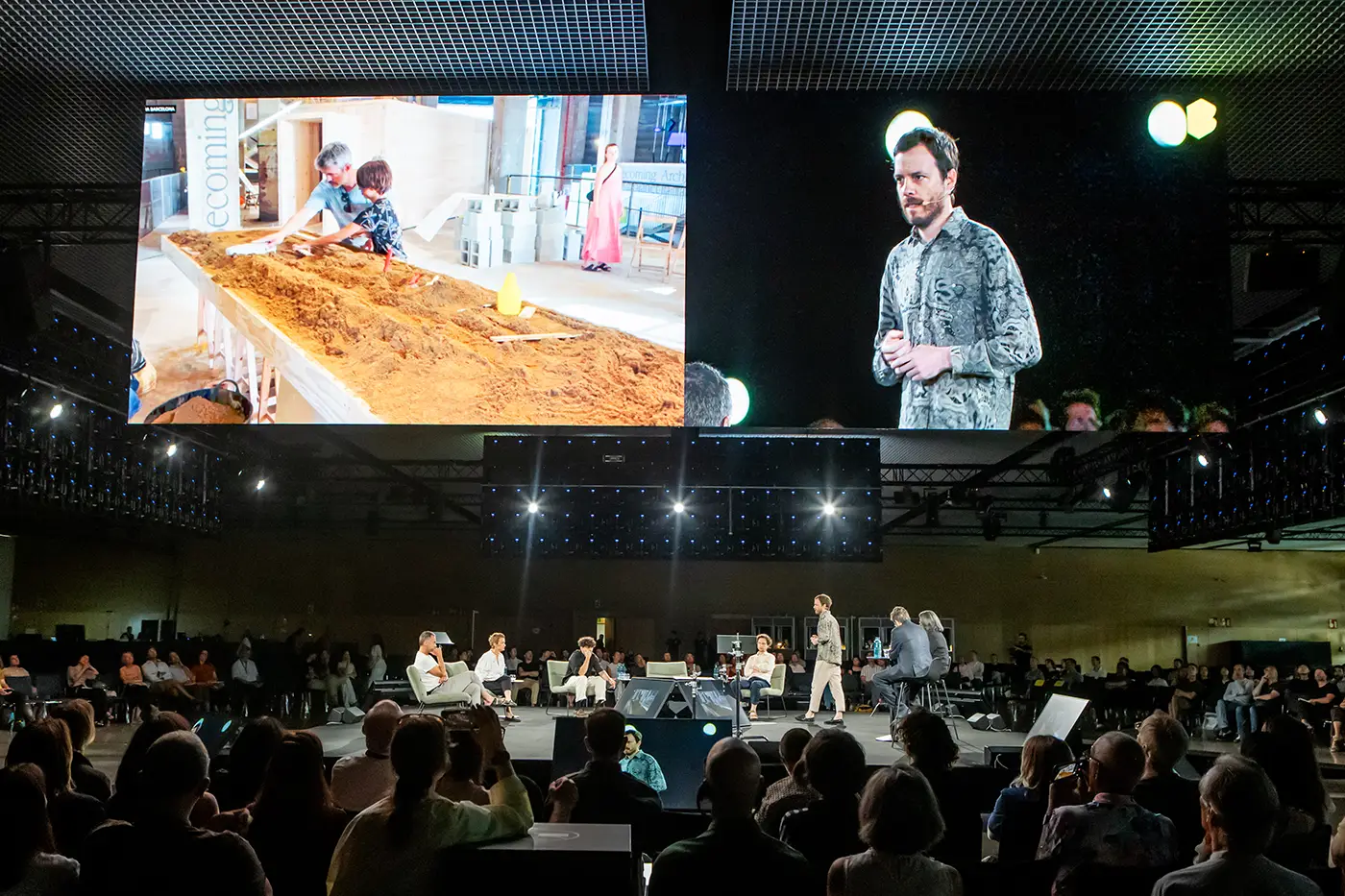
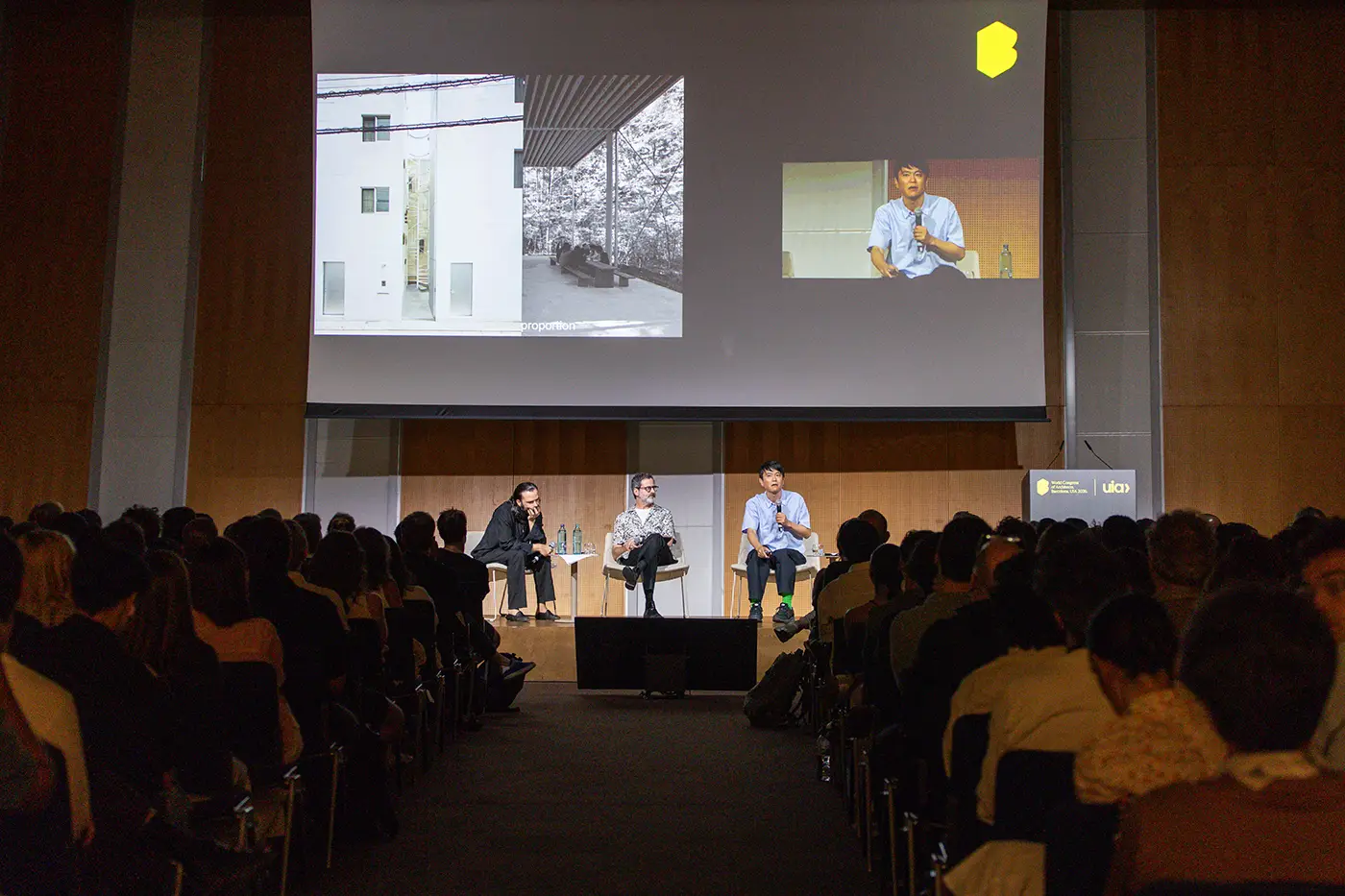
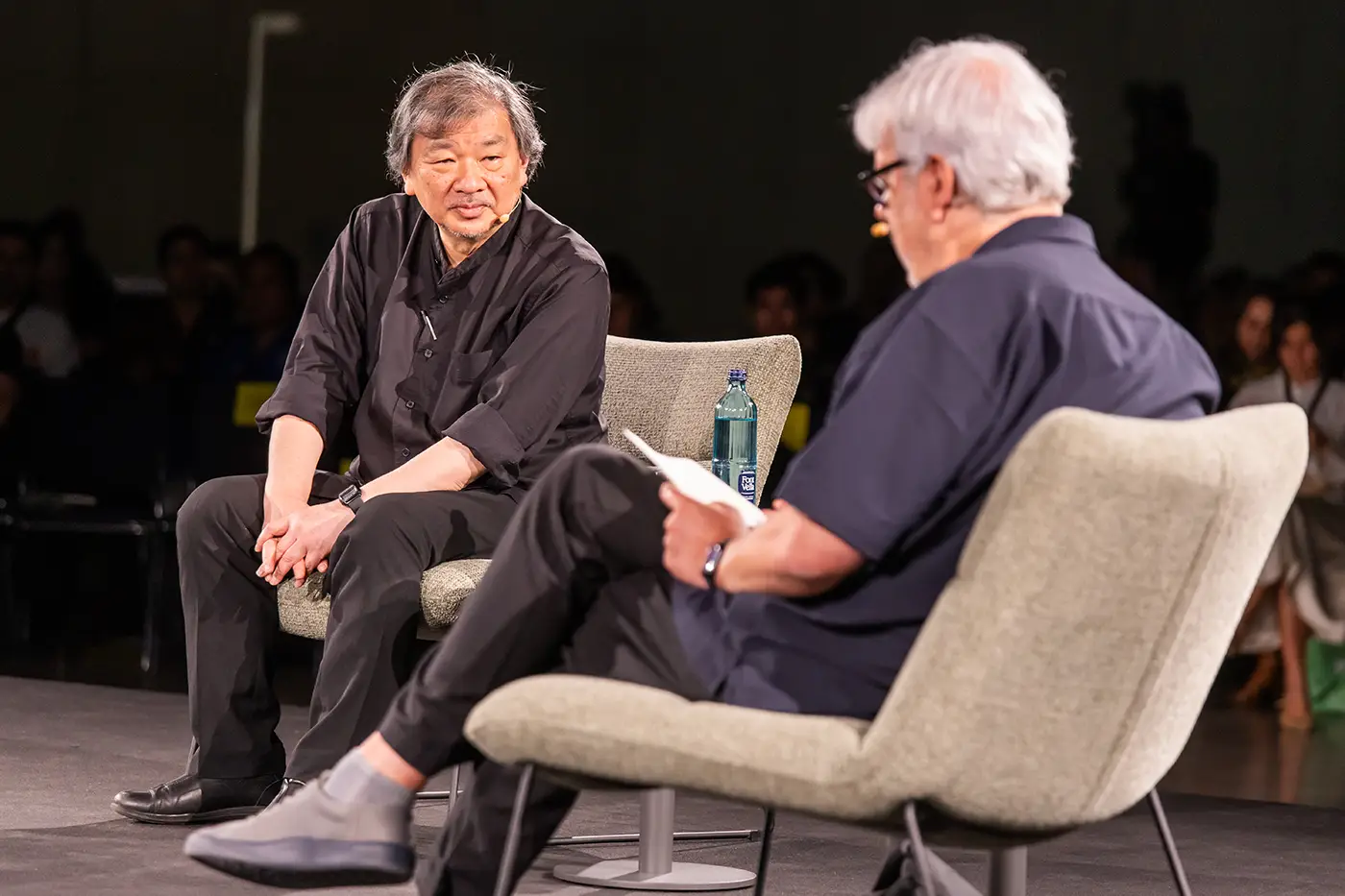
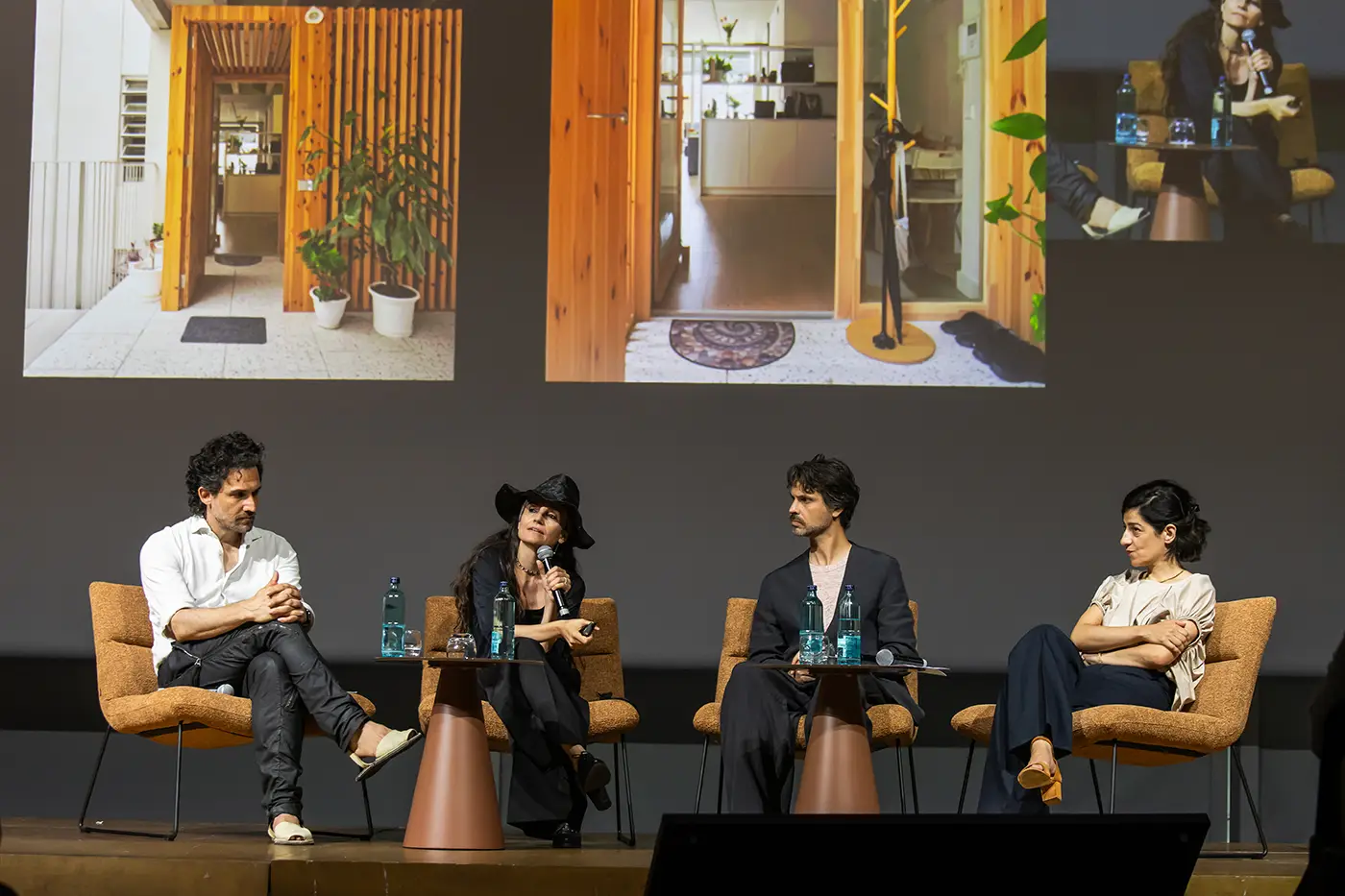
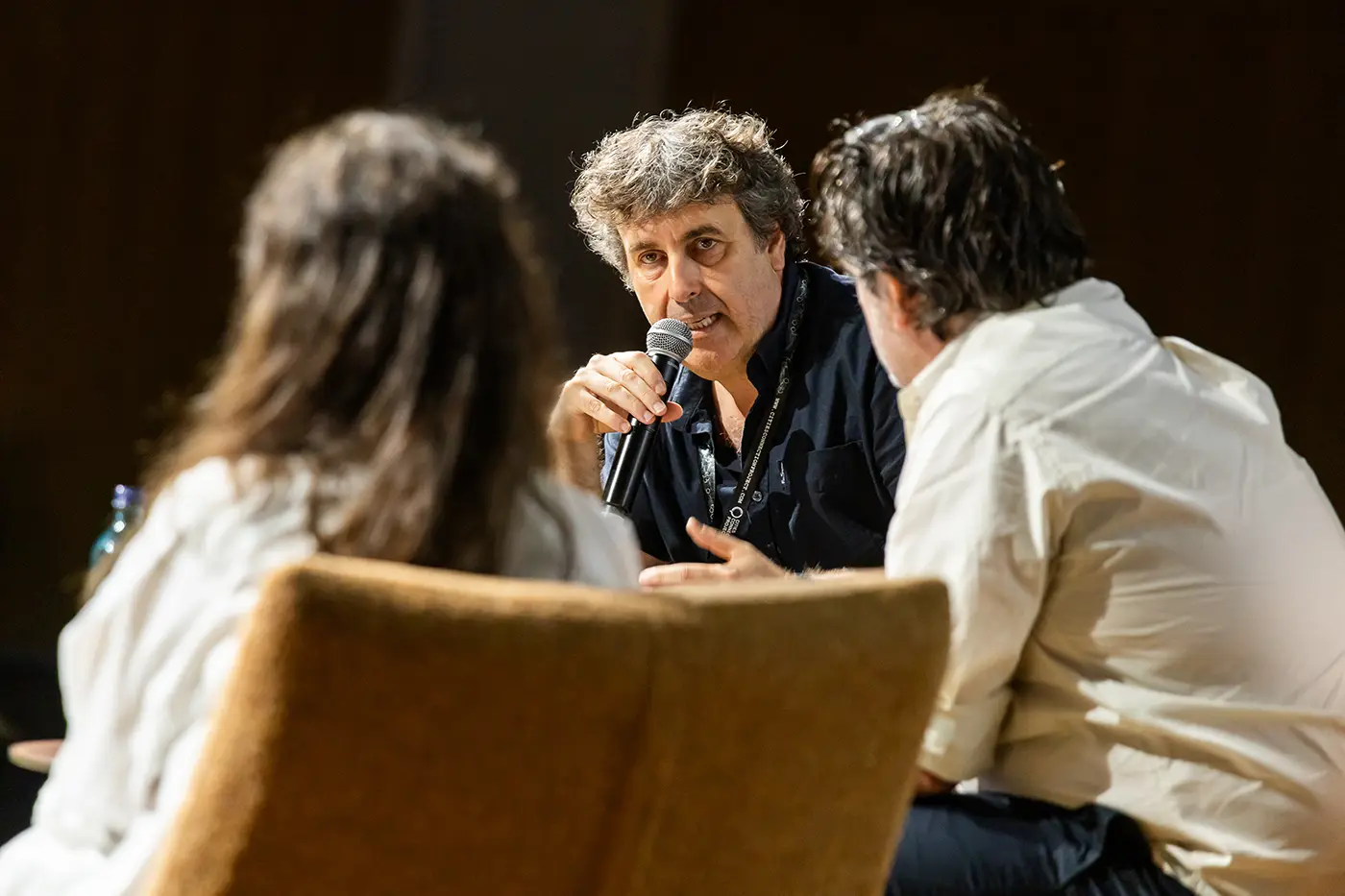
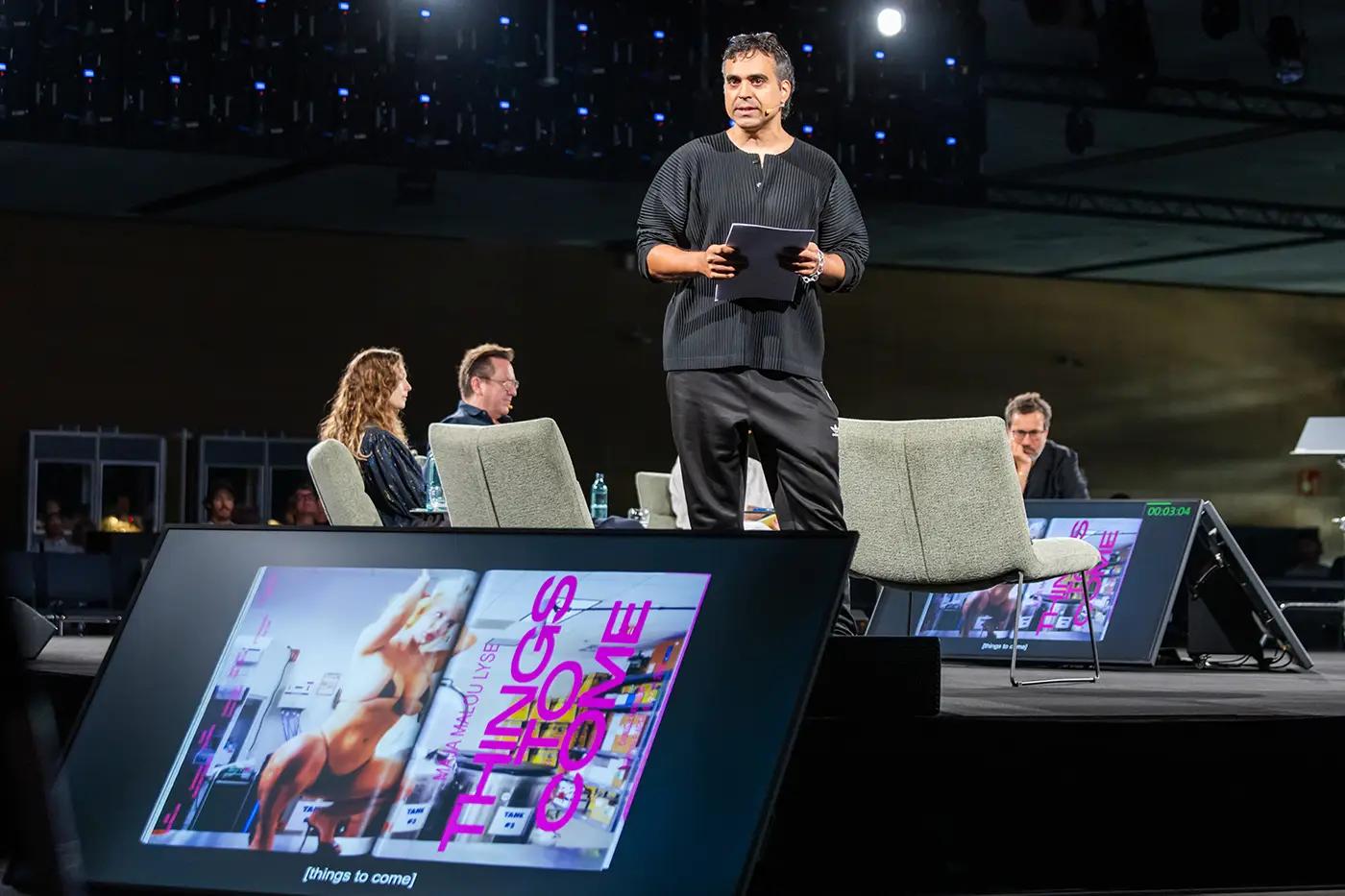
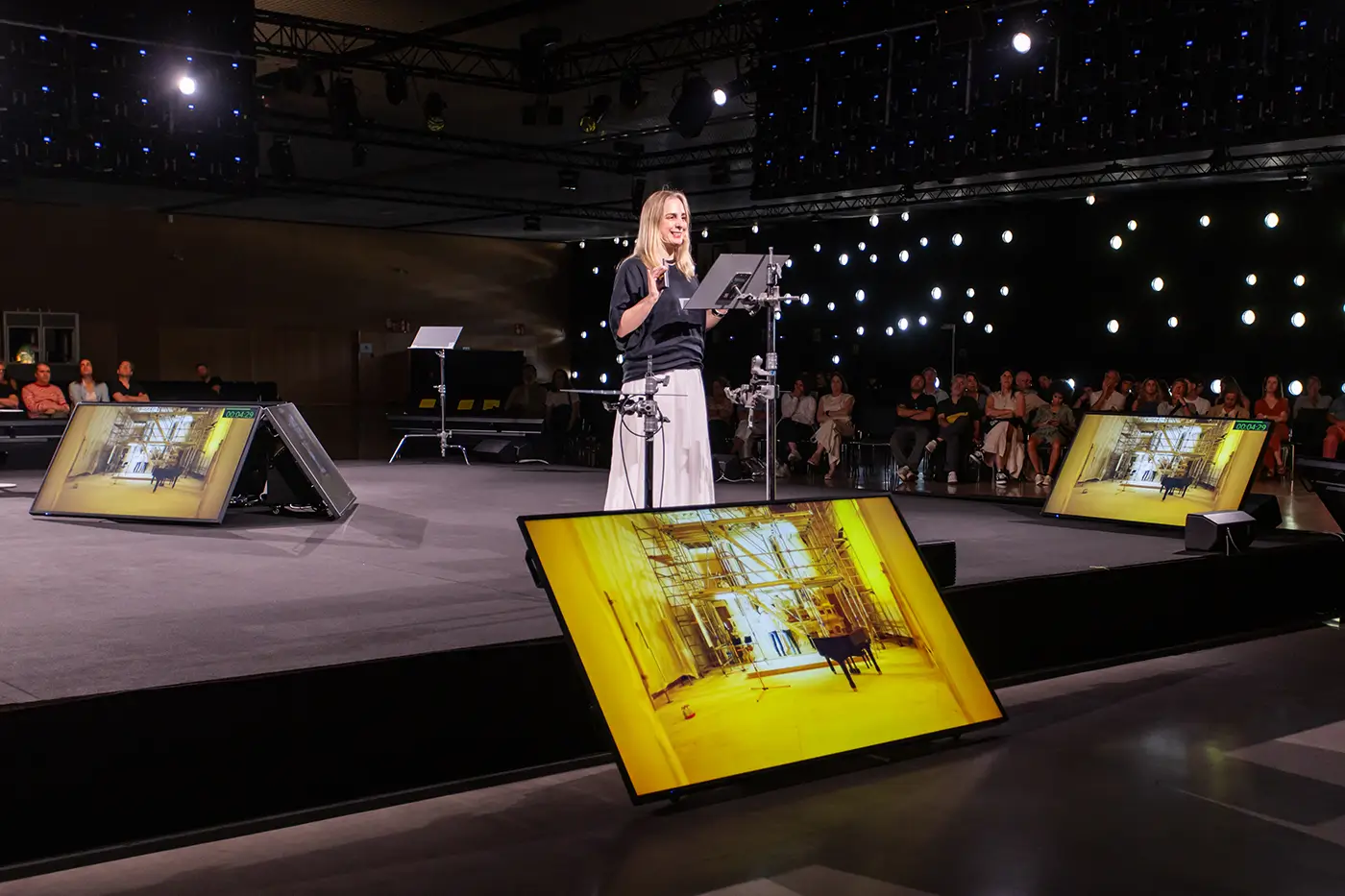
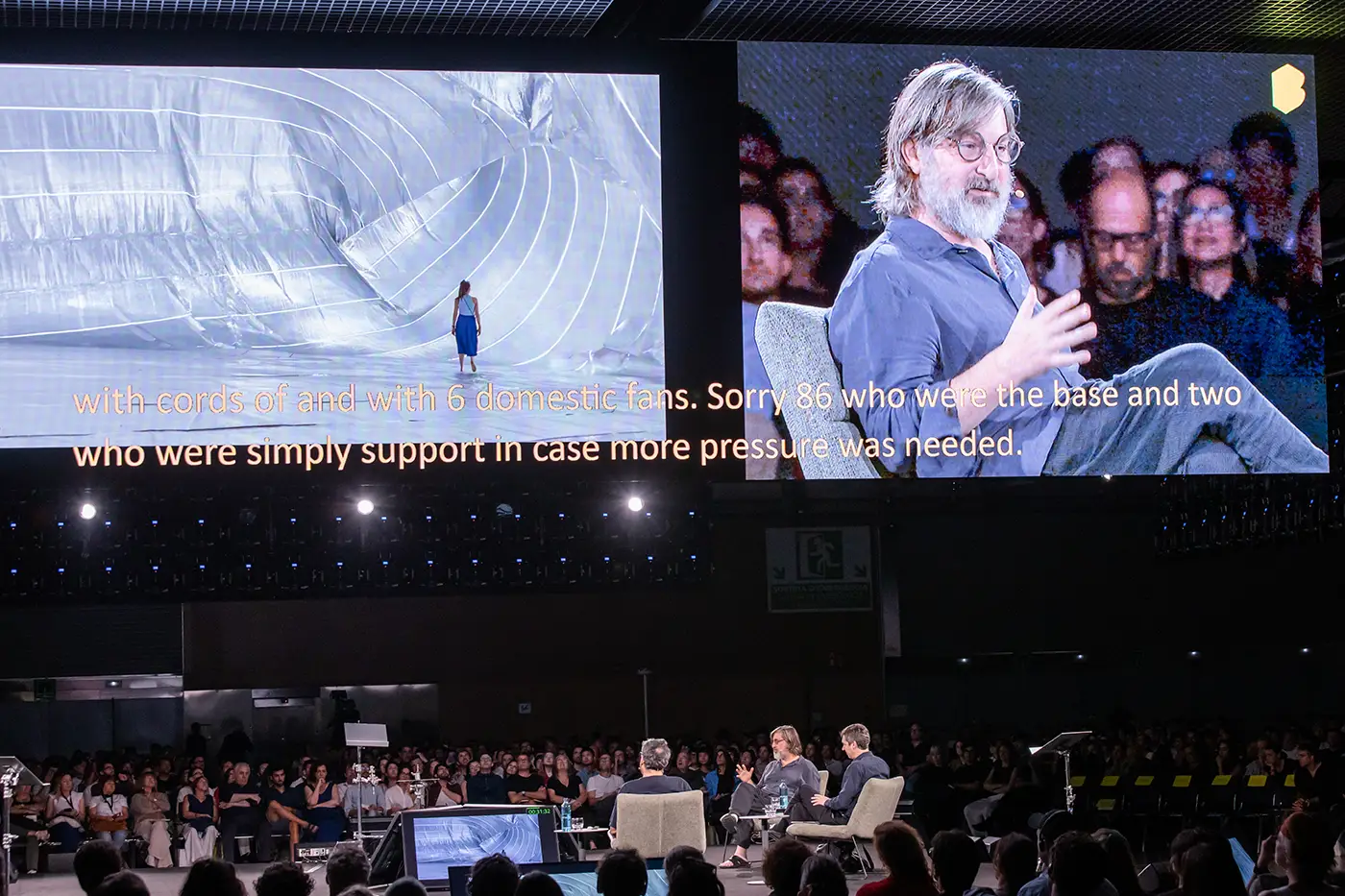
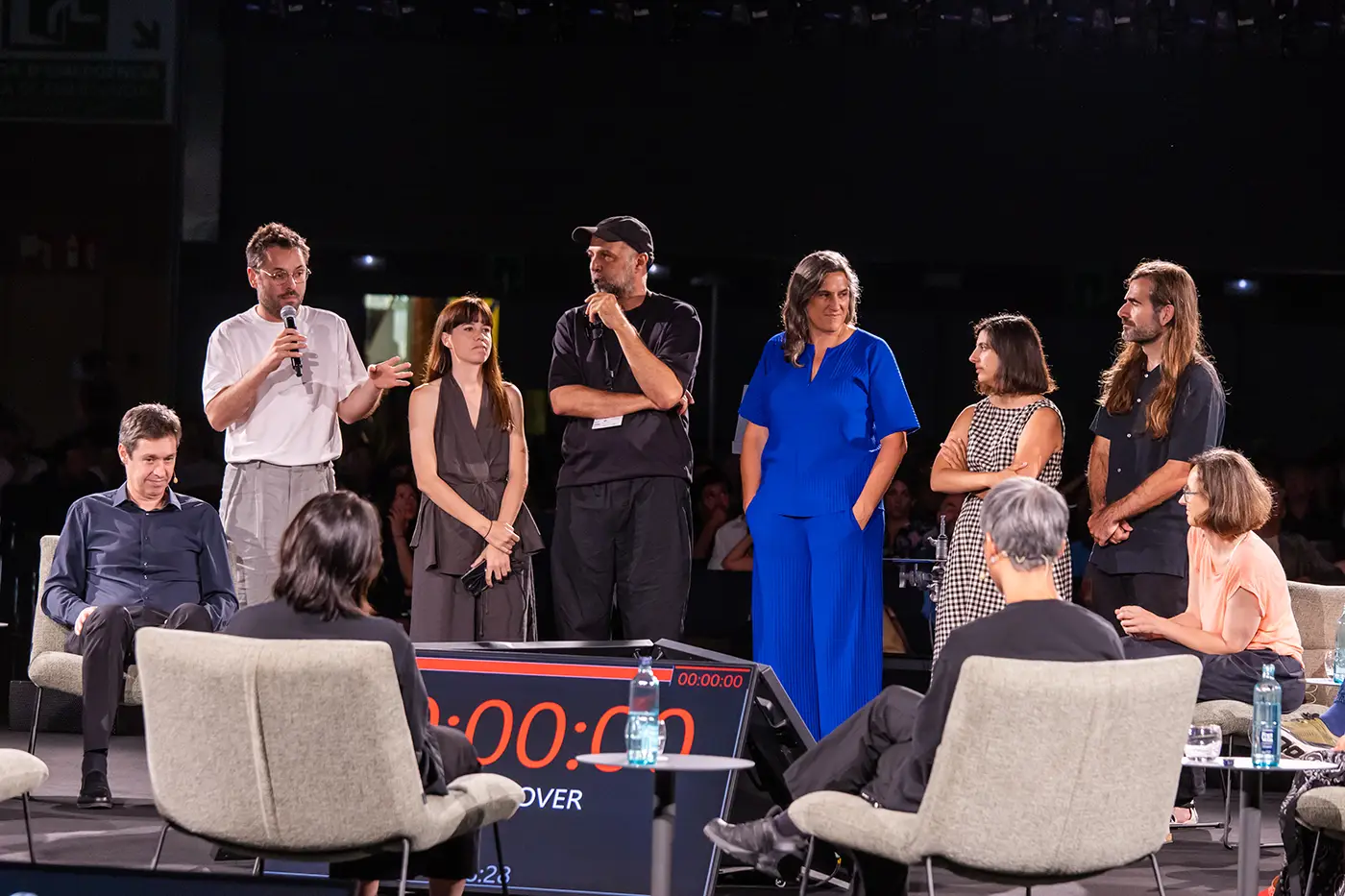
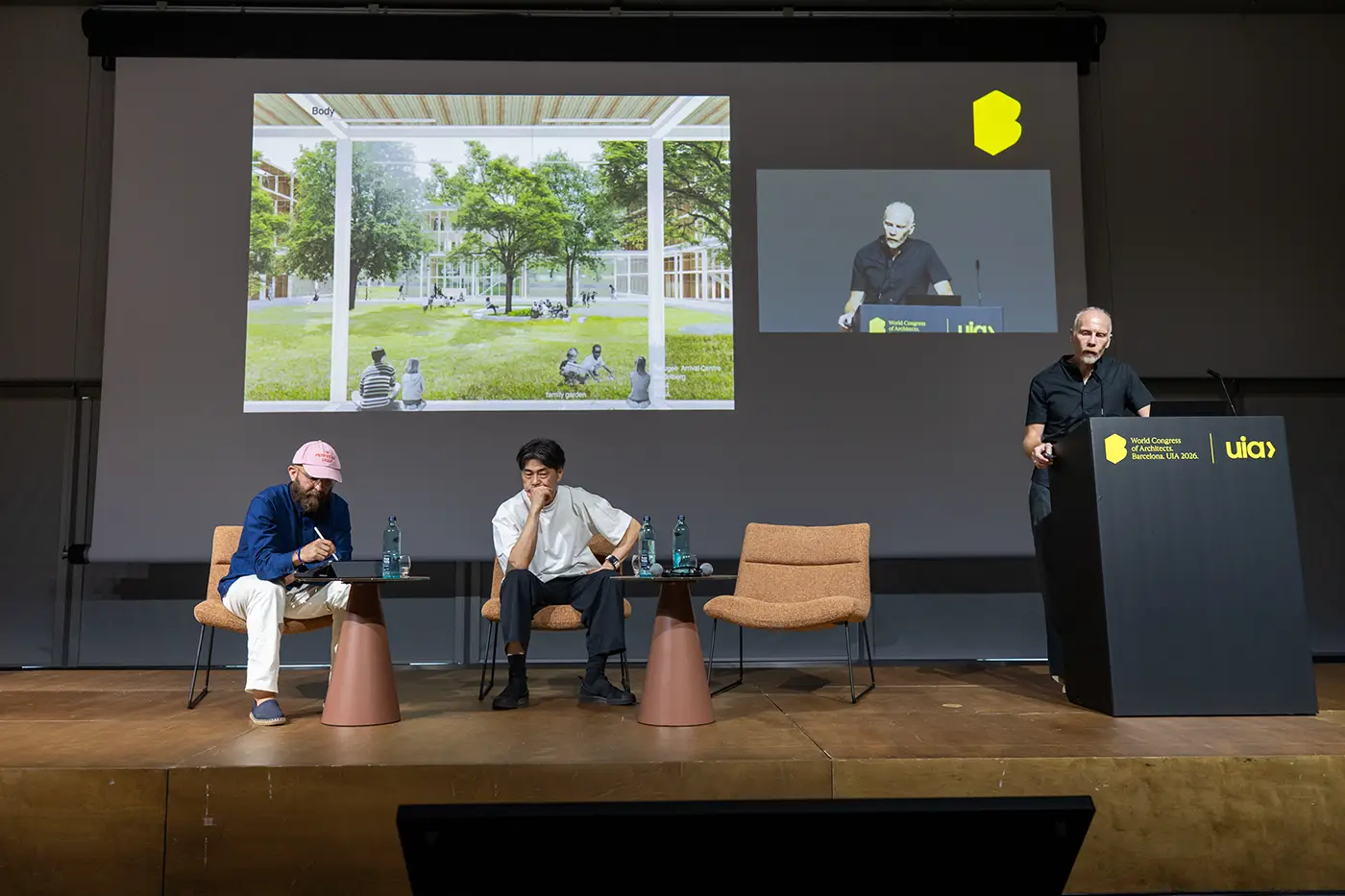
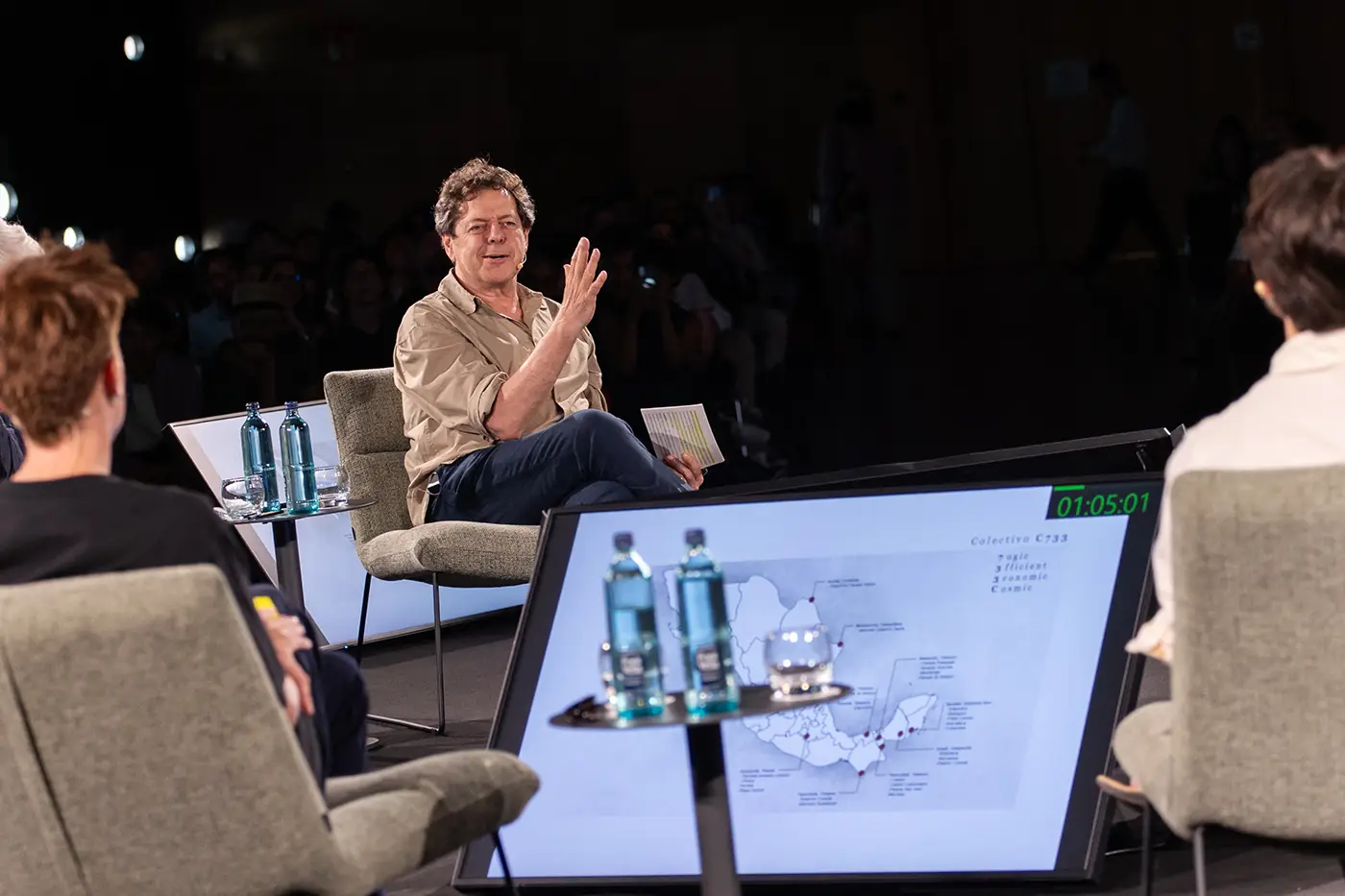
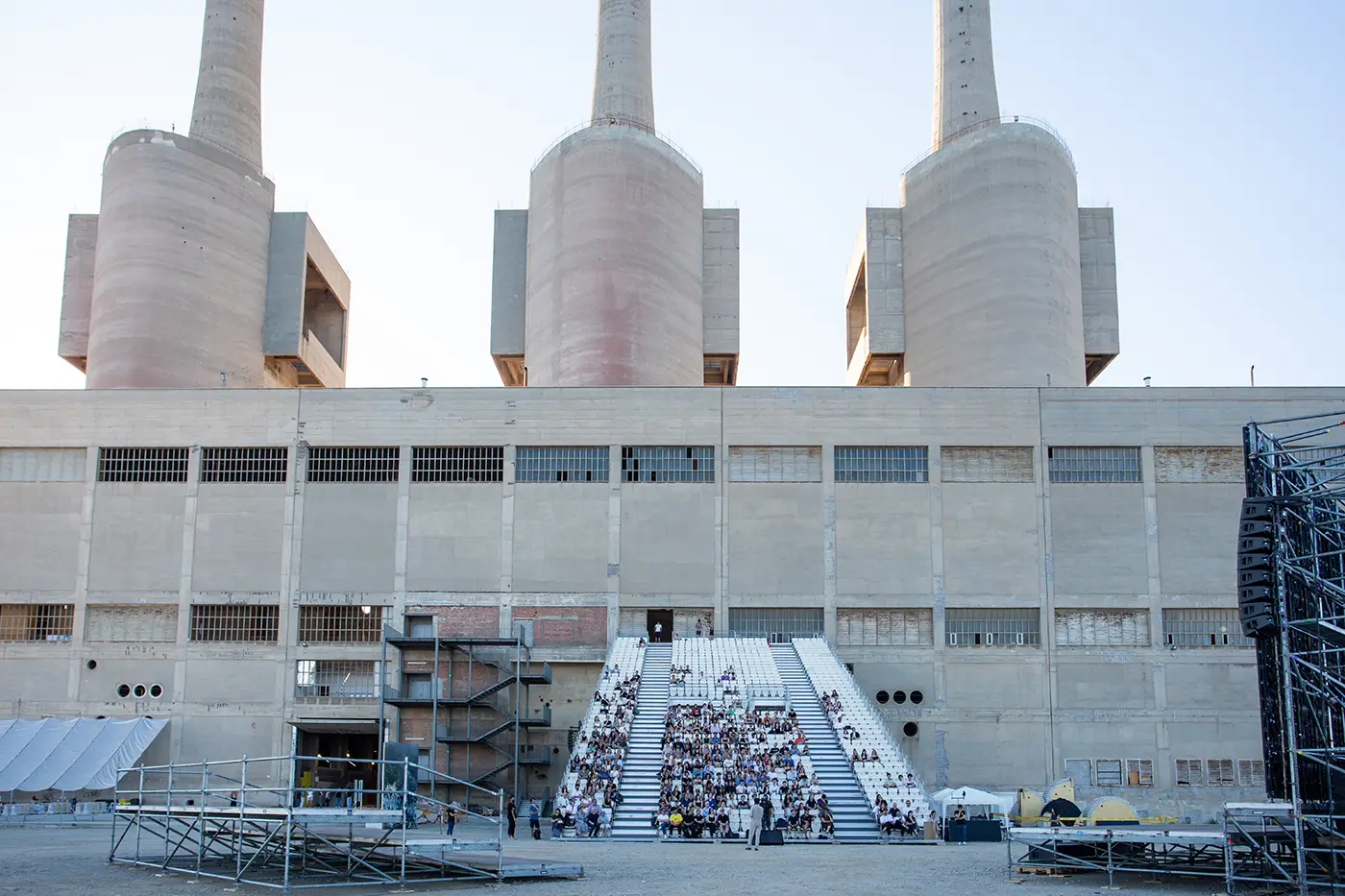
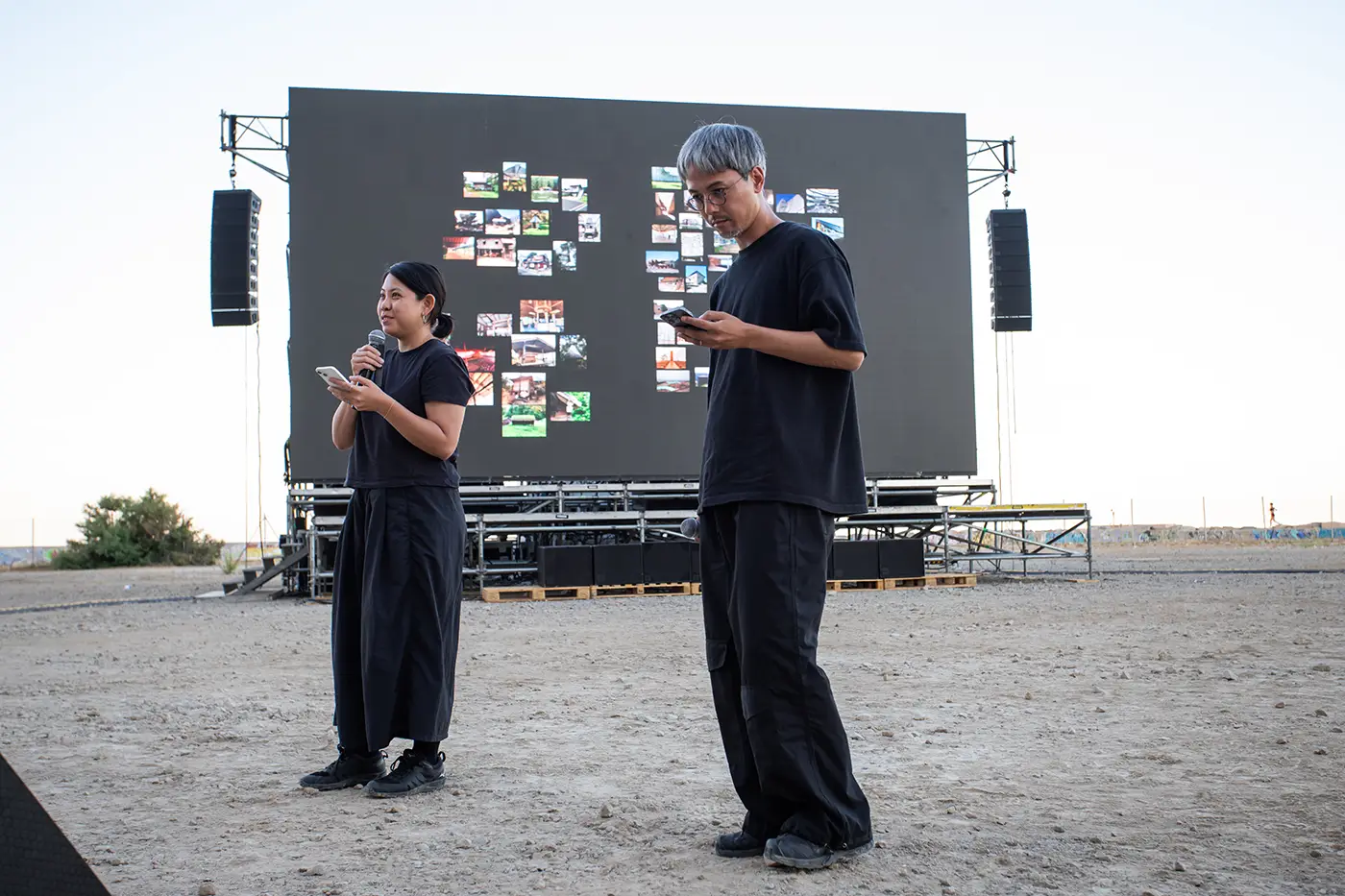
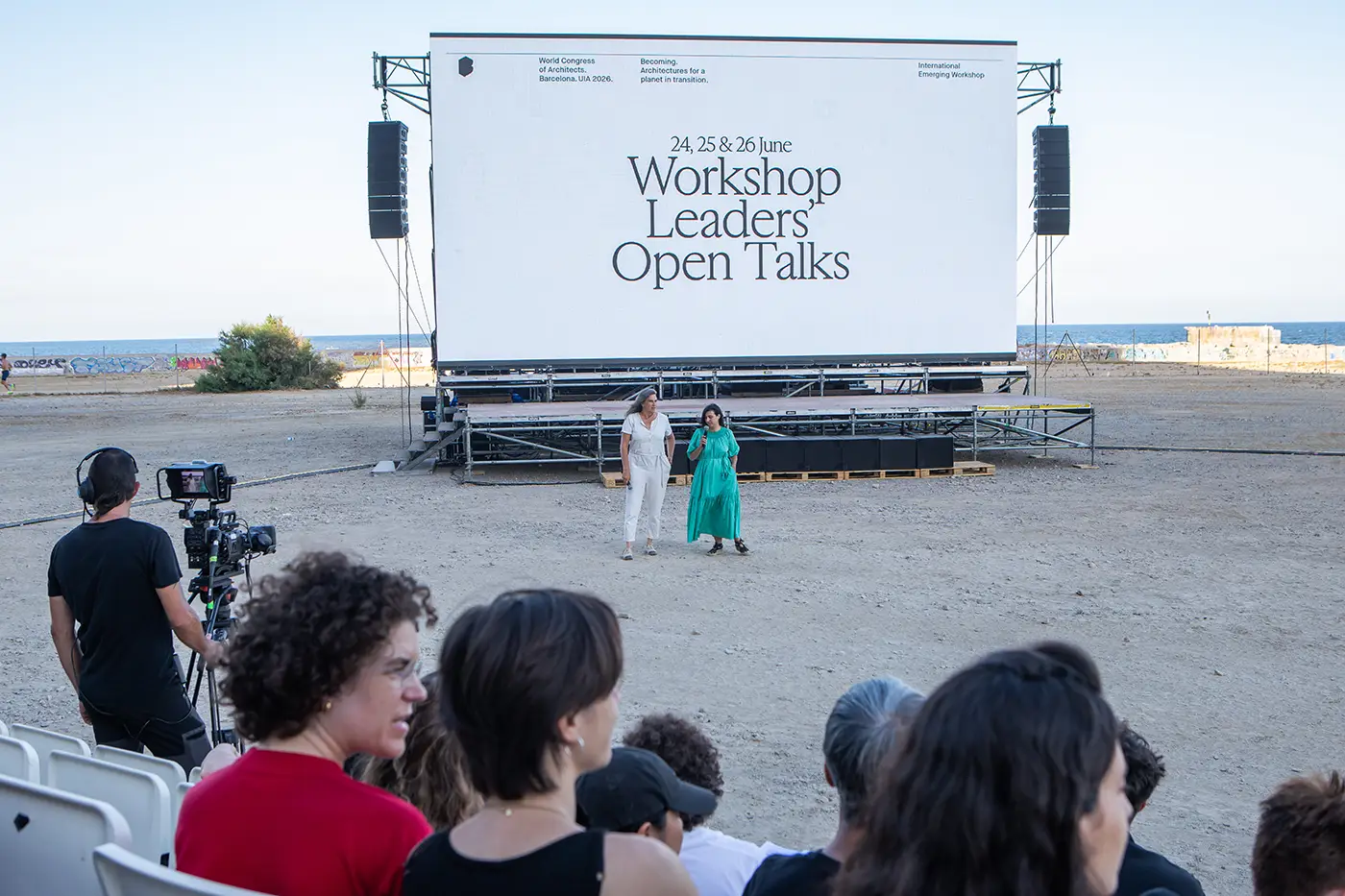
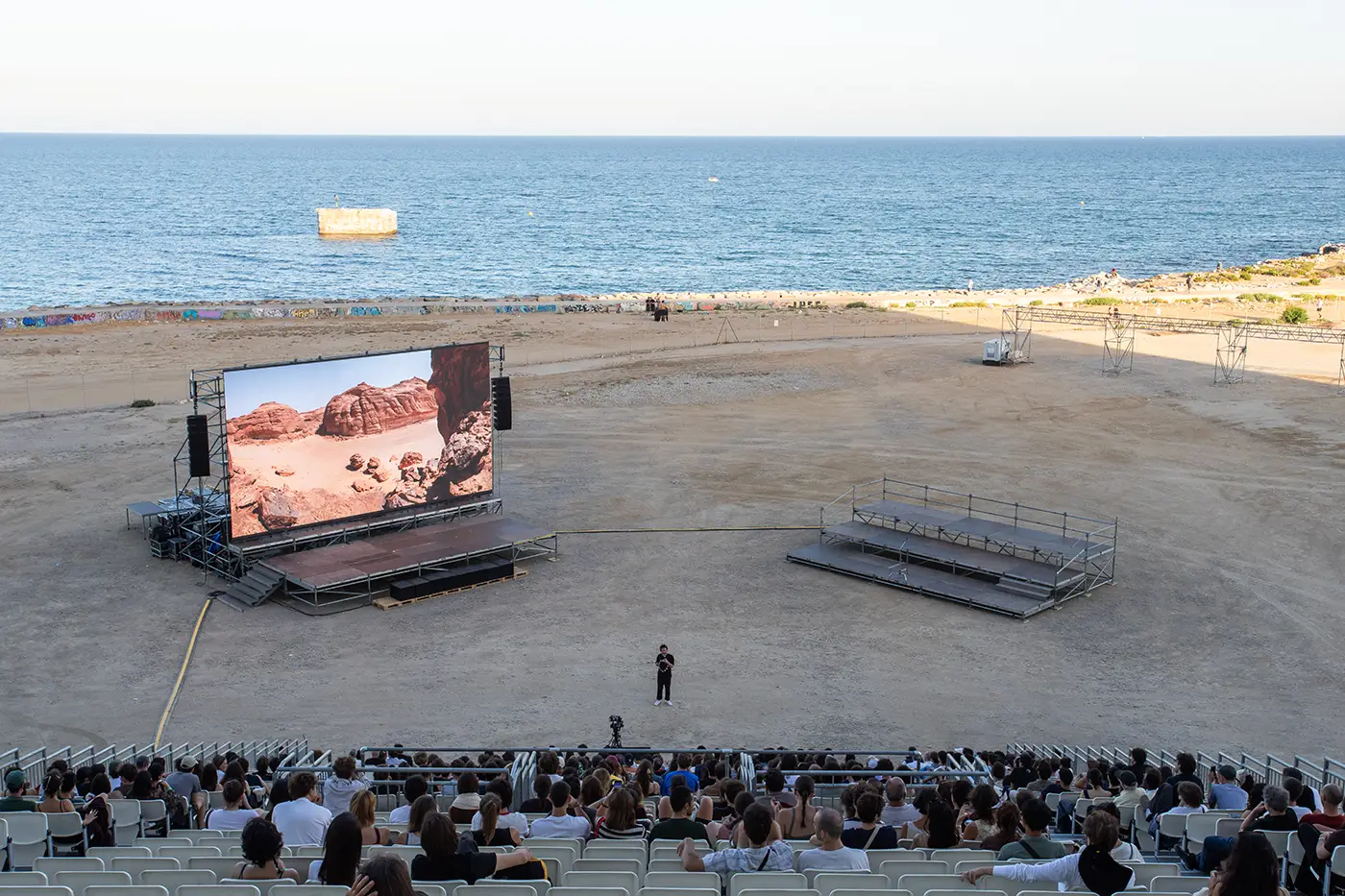
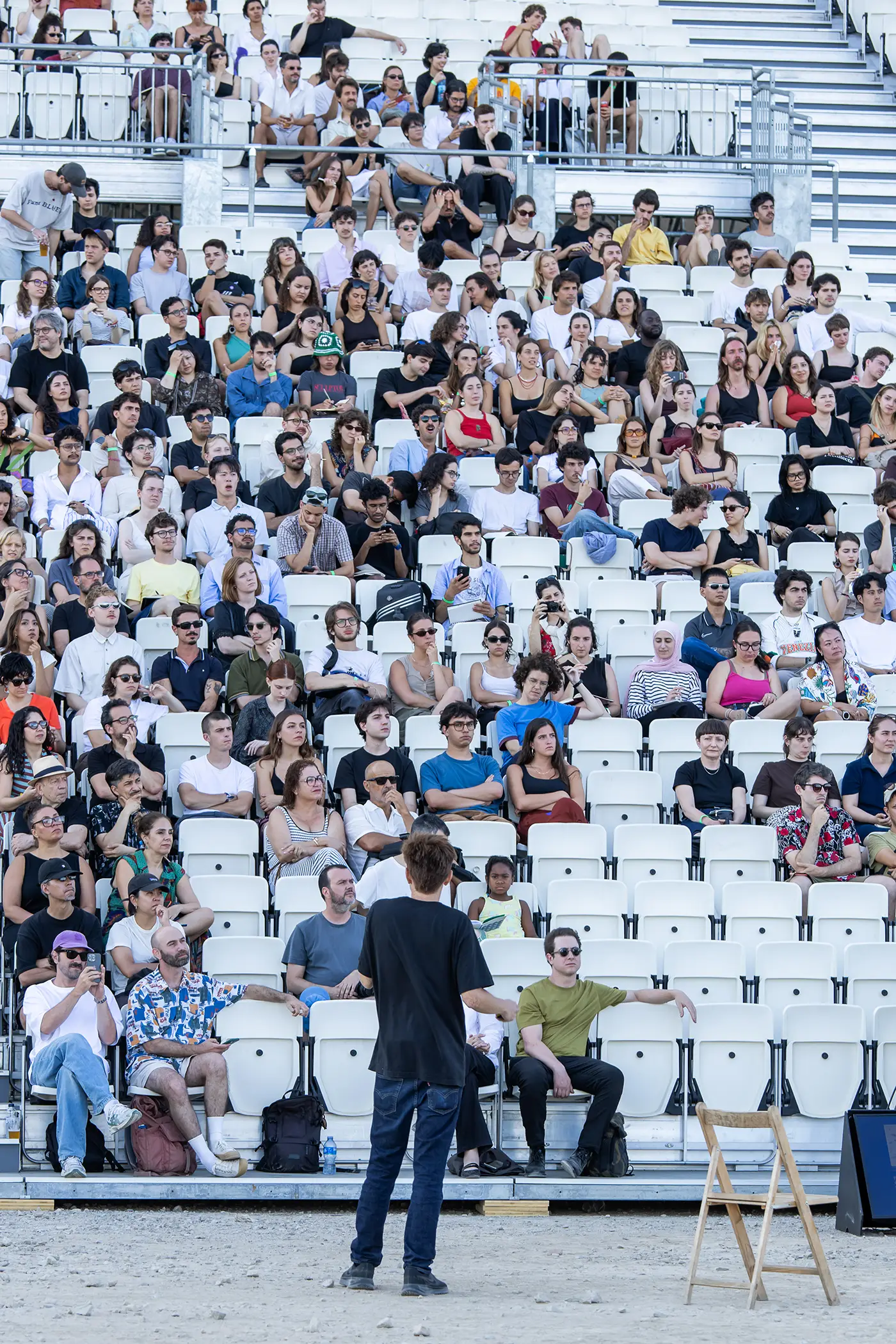
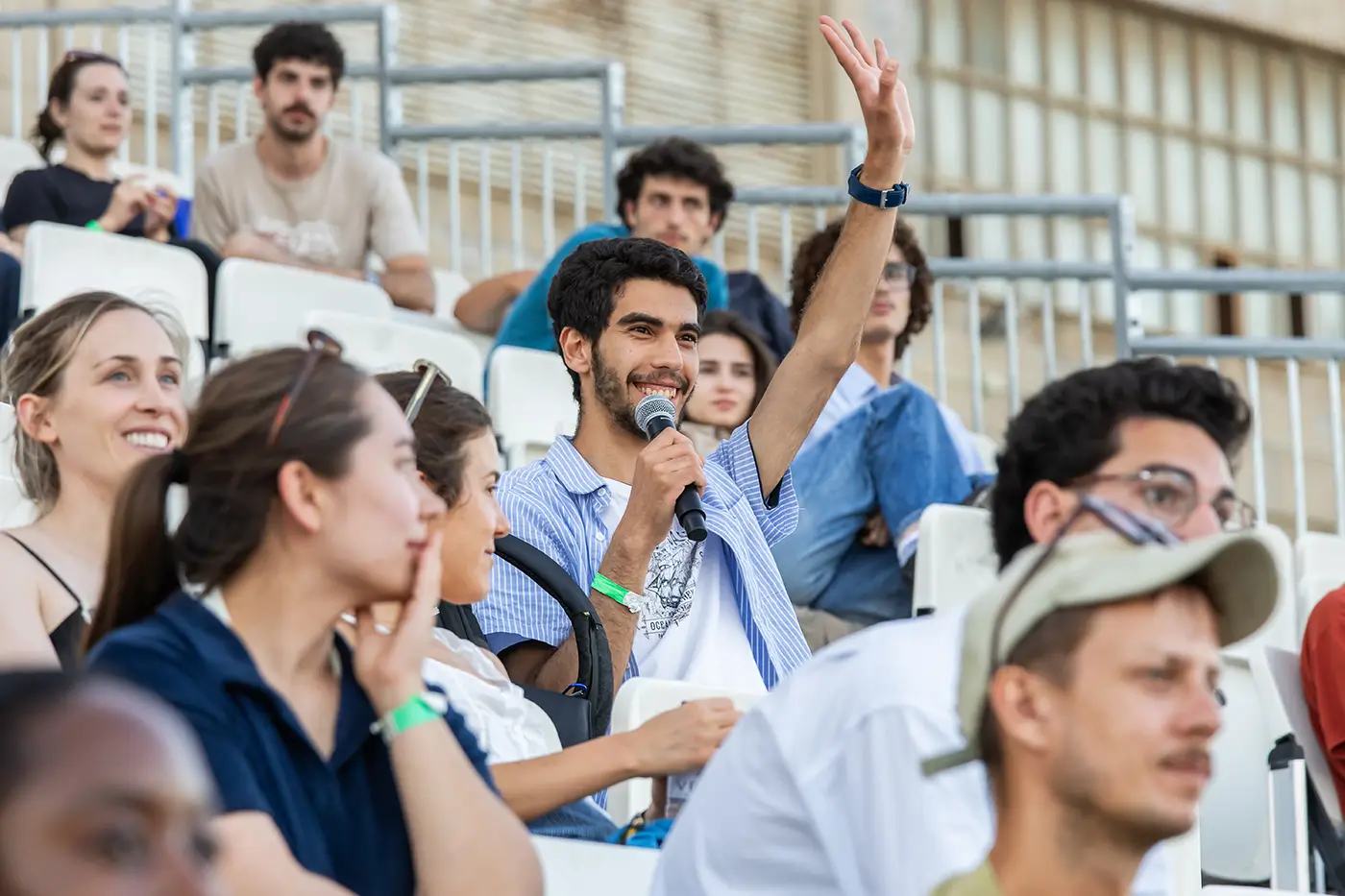
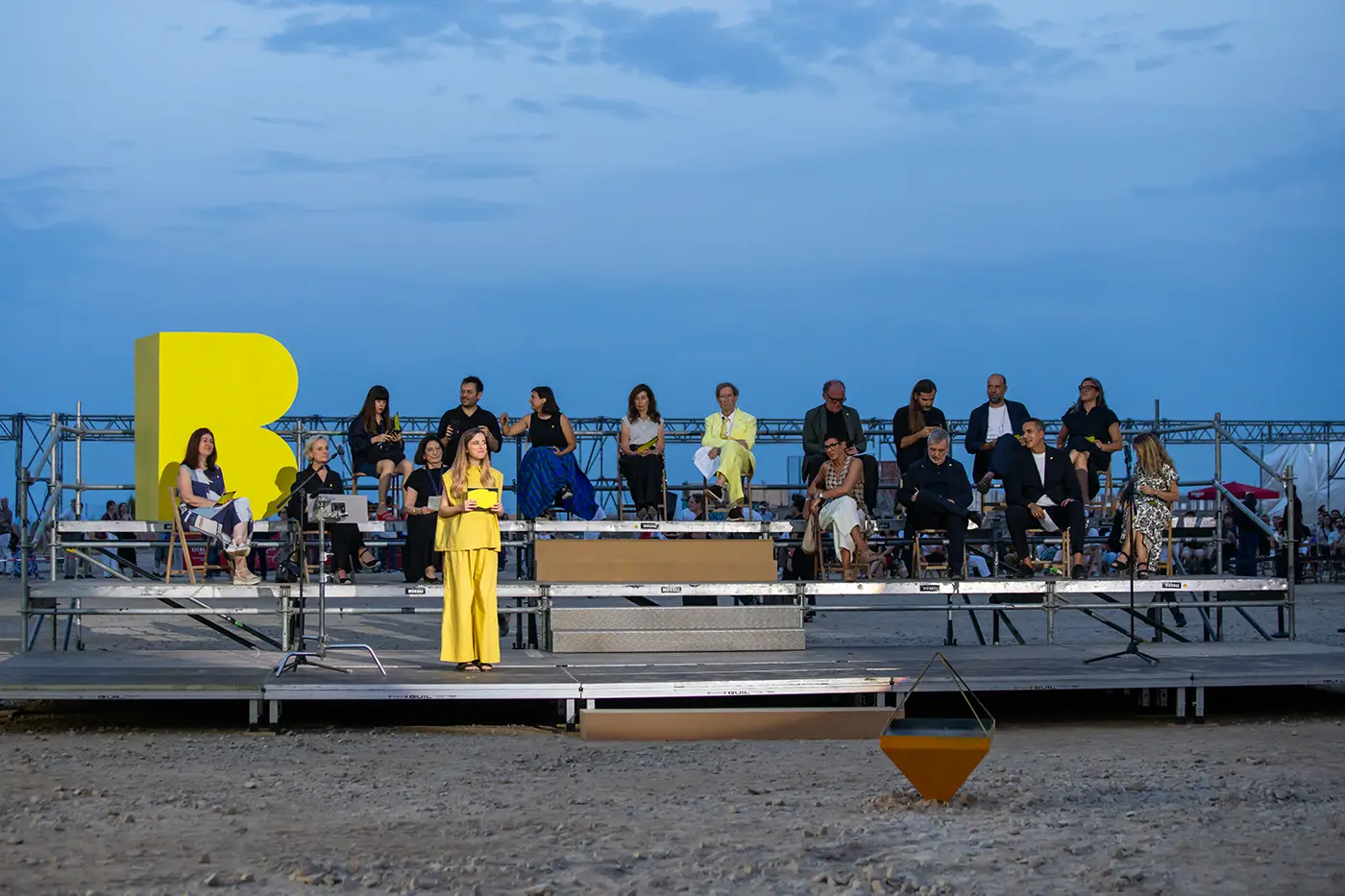
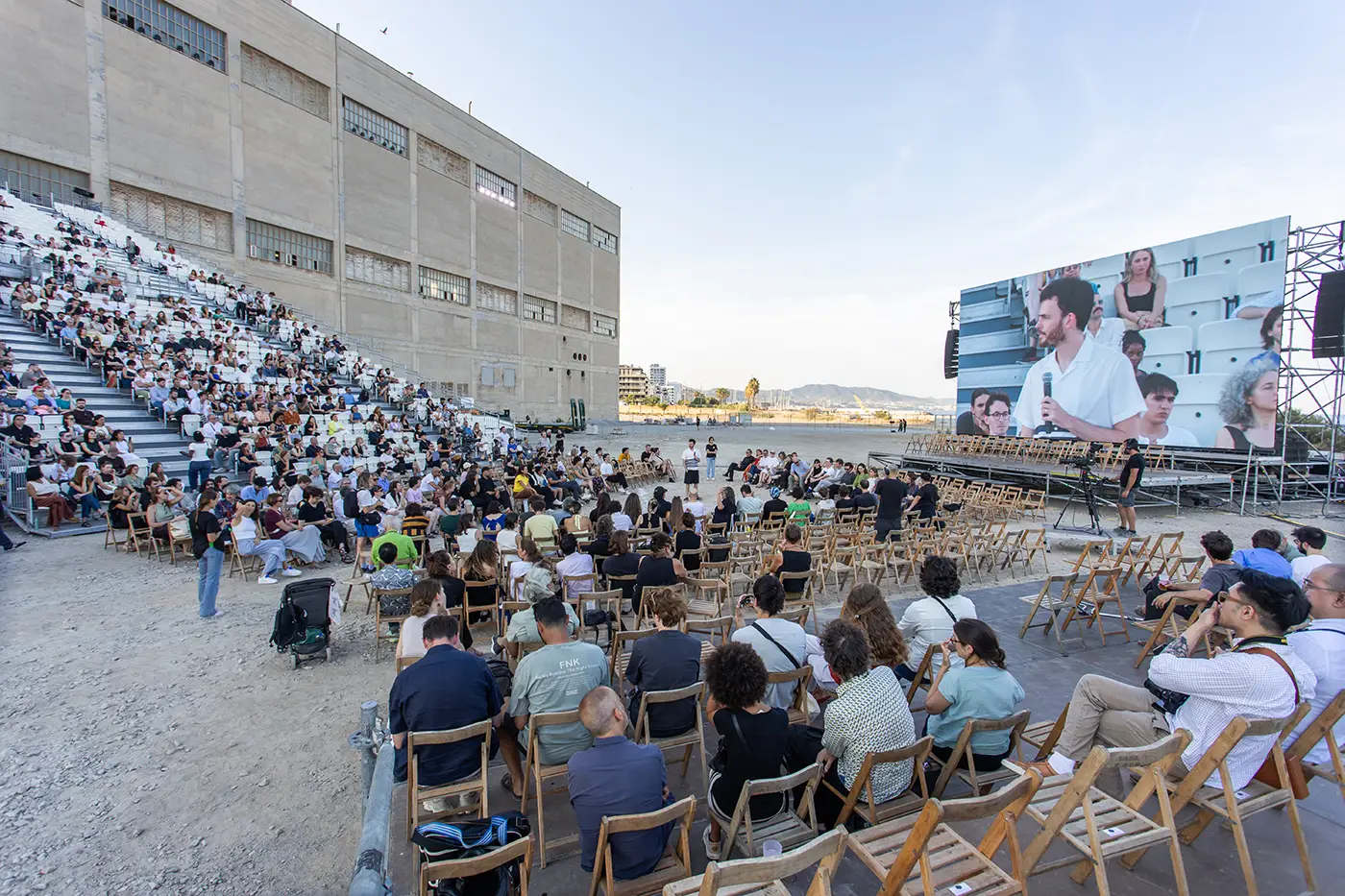
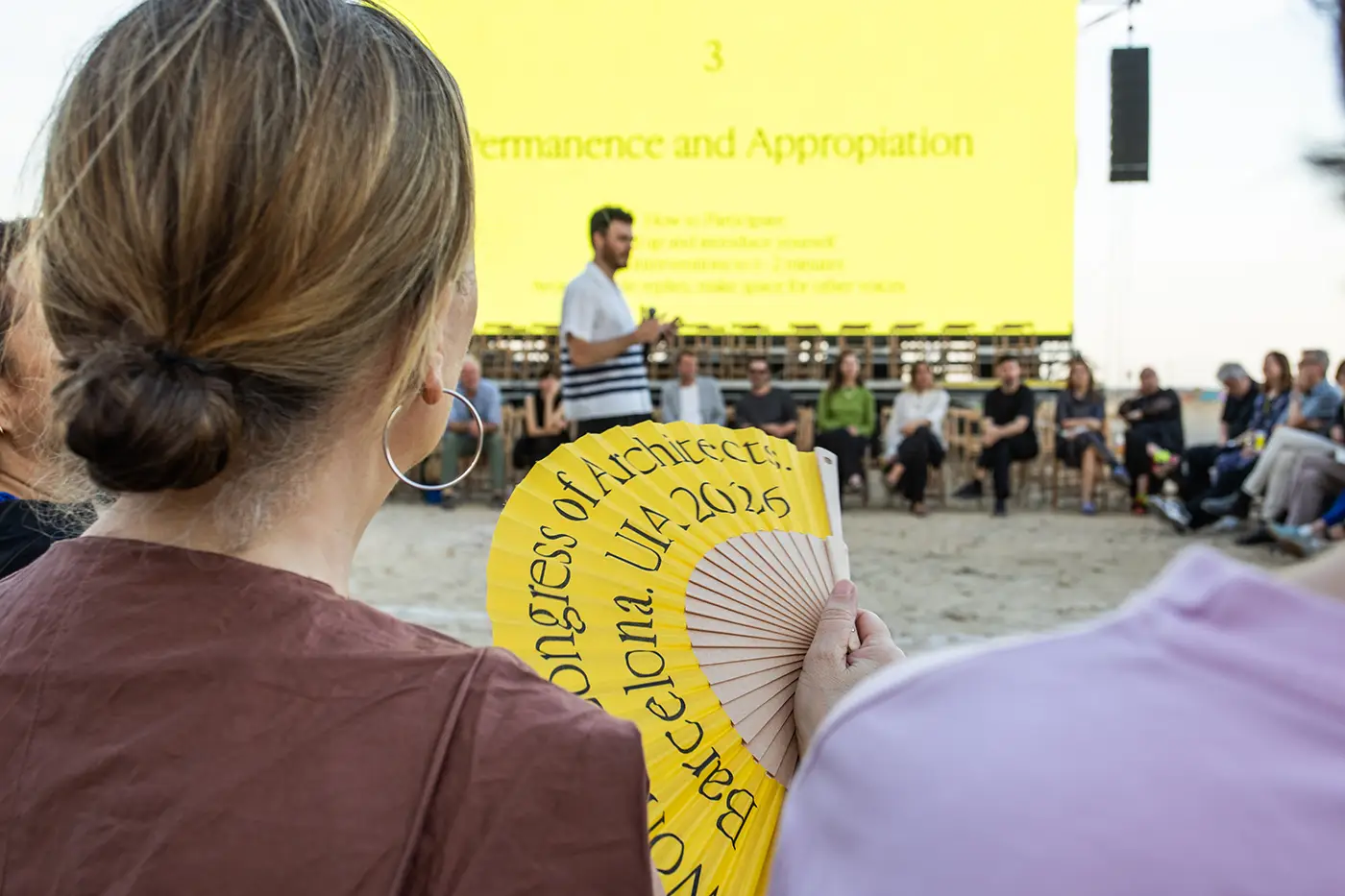
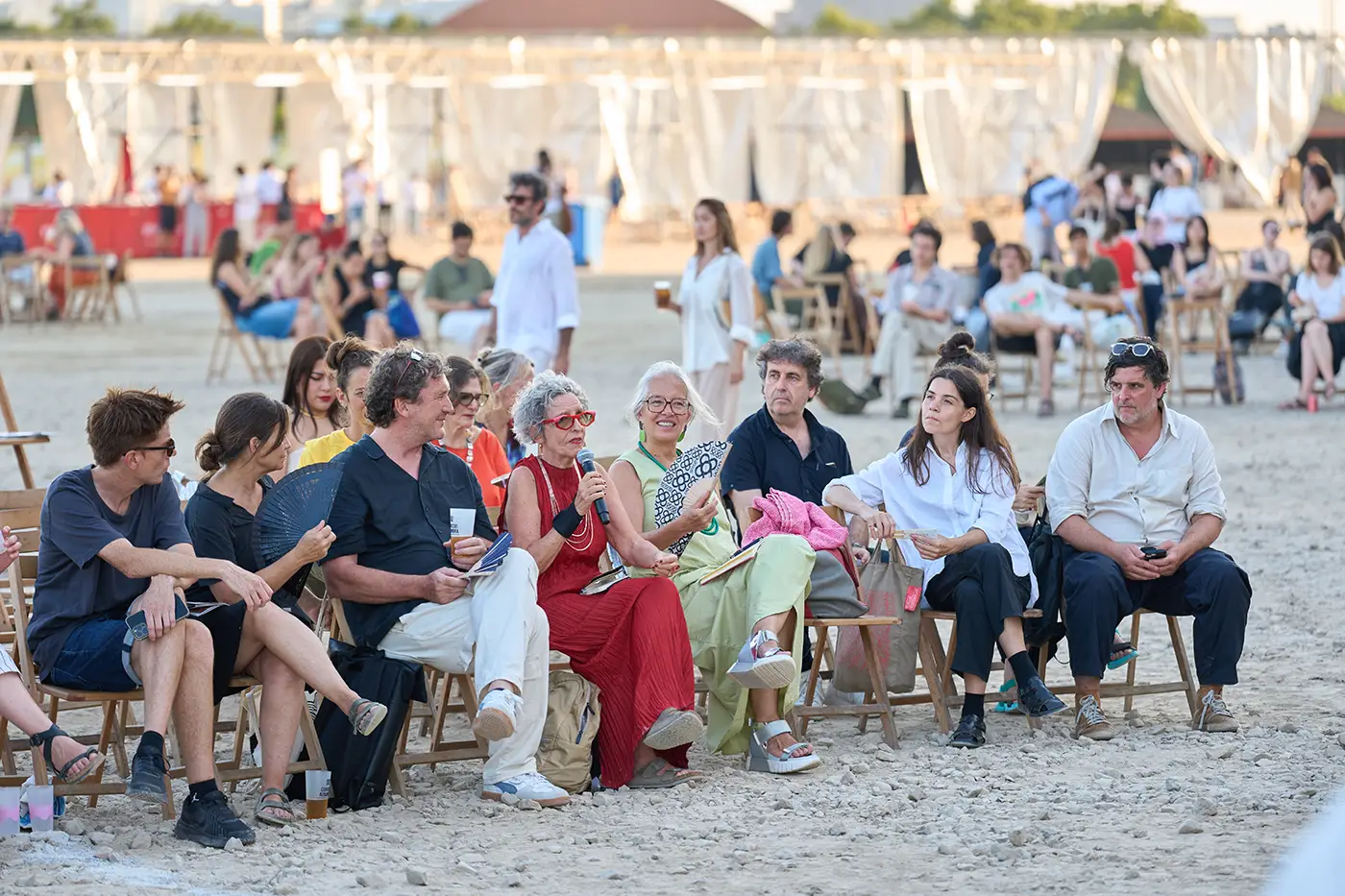
The UIA World Congress of Architects 2026 Barcelona brought together more than 200 speakers across over 100 sessions on eight stages over three days in Barcelona.
Structured around six thematic lines — Becoming More-than-human, Becoming Circular, Becoming Embodied, Becoming Interdependent, Becoming Hyper-conscious, and Becoming Attuned — the Congress dedicated one half-day to each, framing discussions through carefully curated subtopics that connected disciplines, scales, and geographies.
Photos by © Anna Mas.
International Emerging Workshop
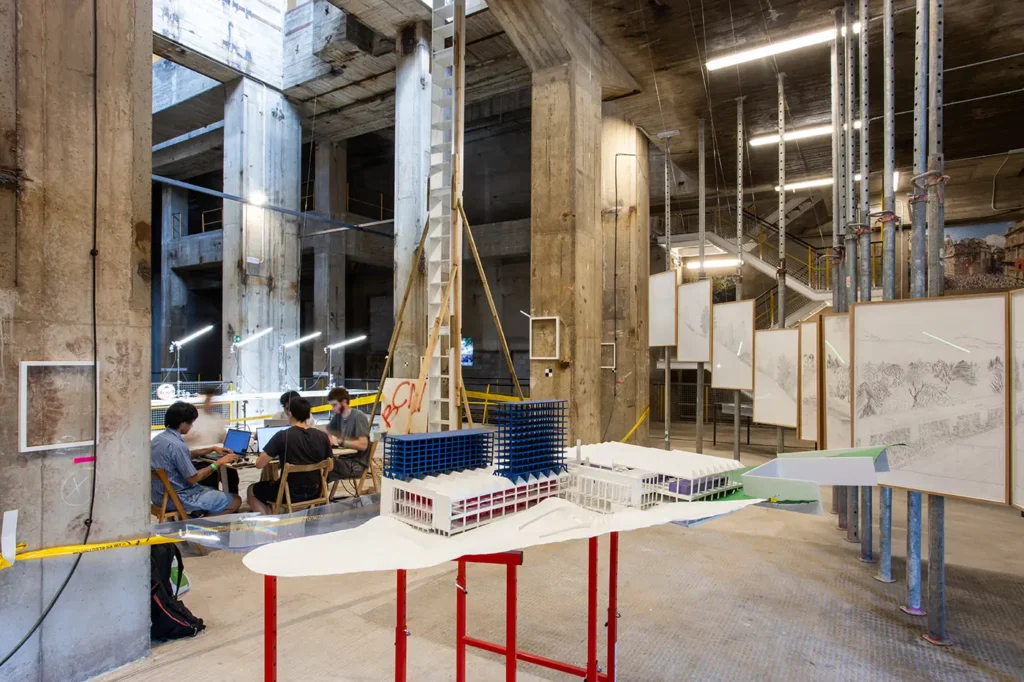
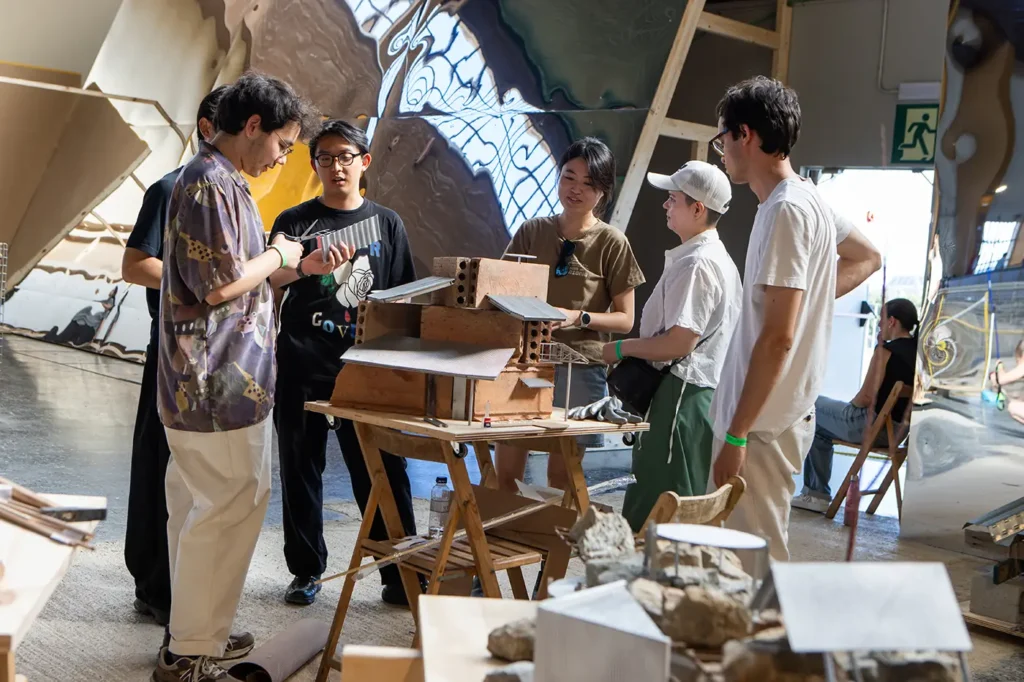
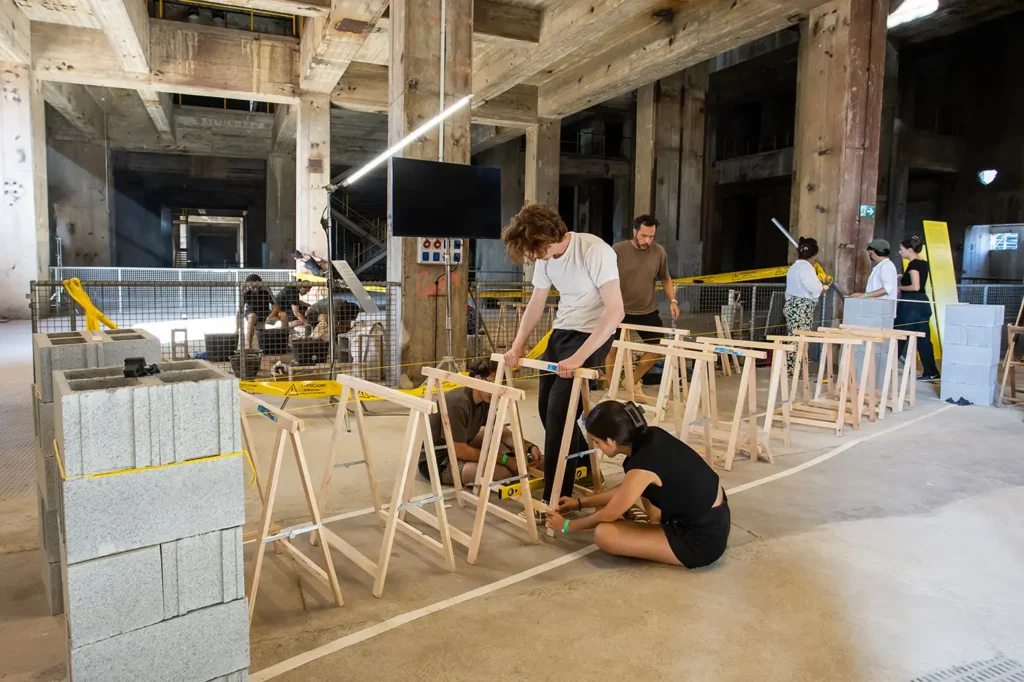
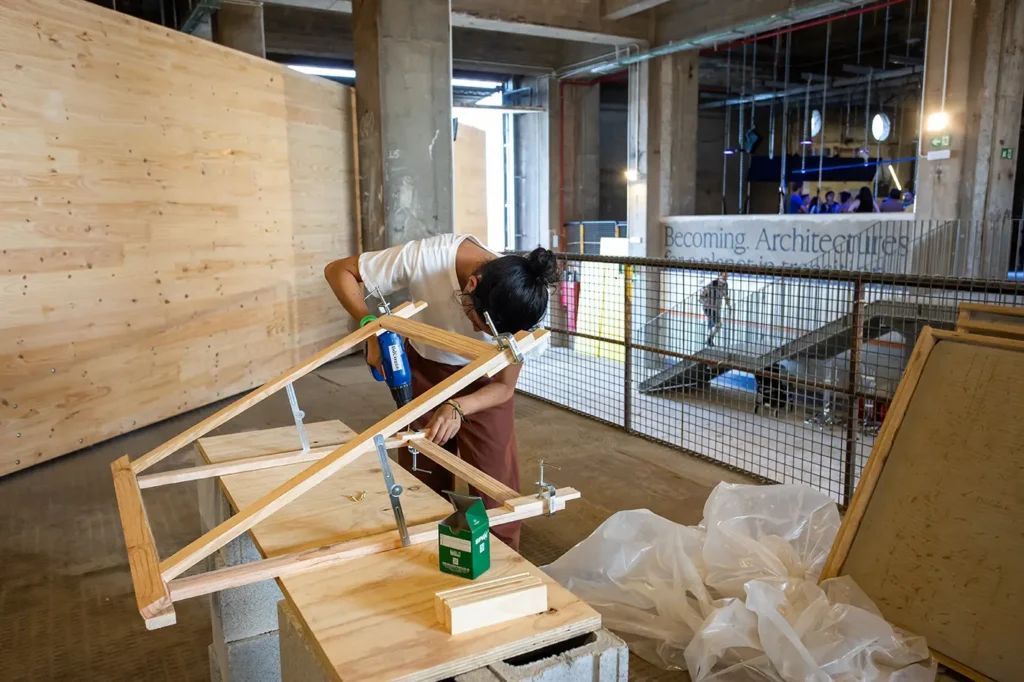
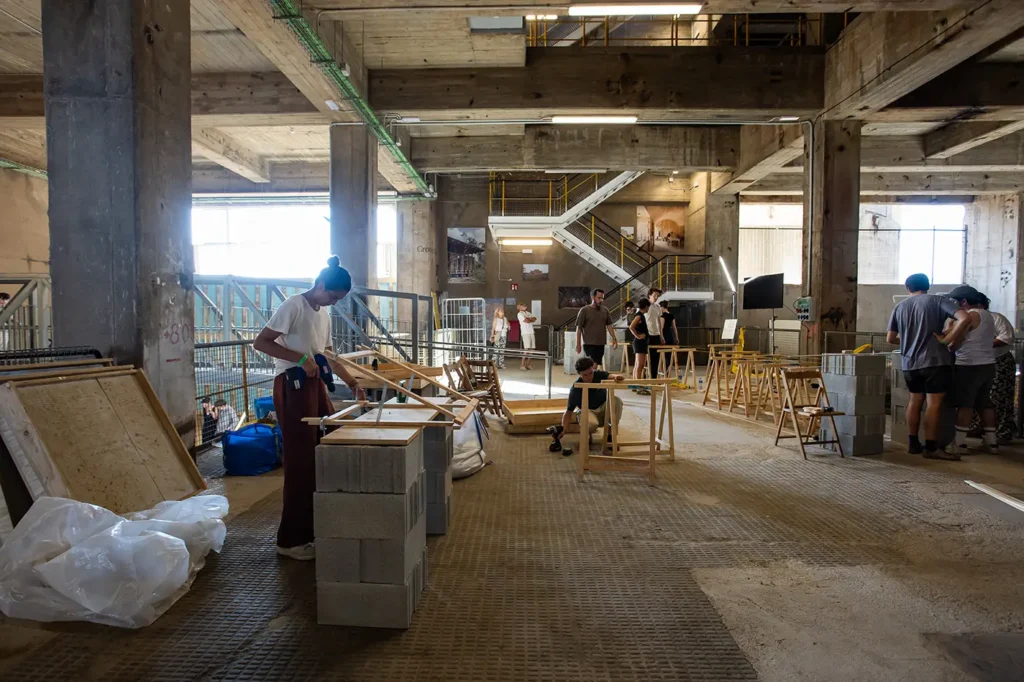
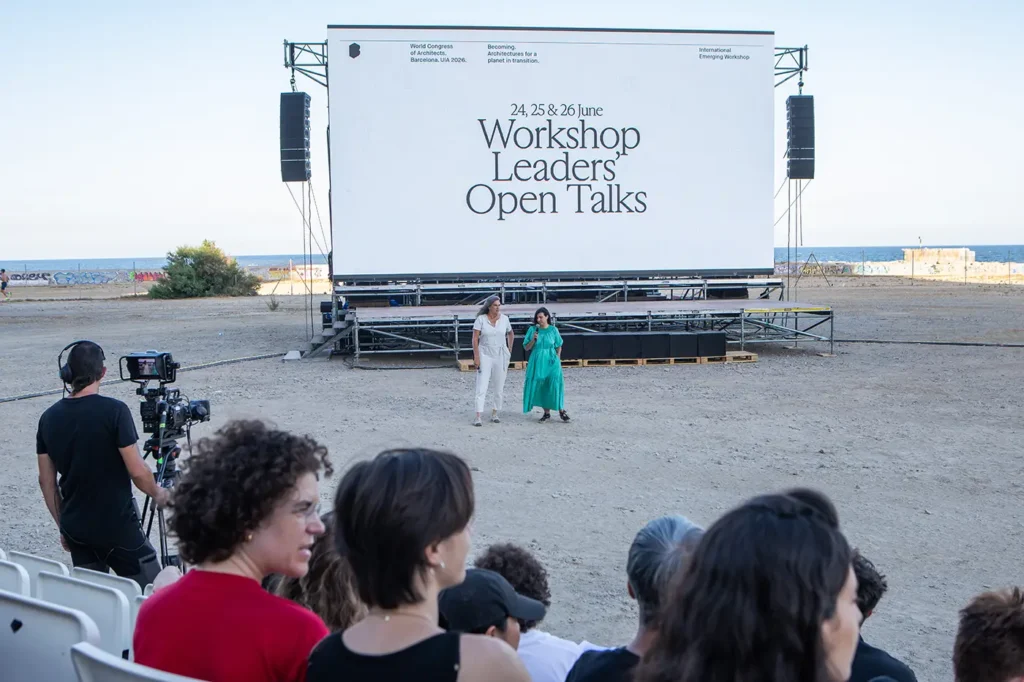
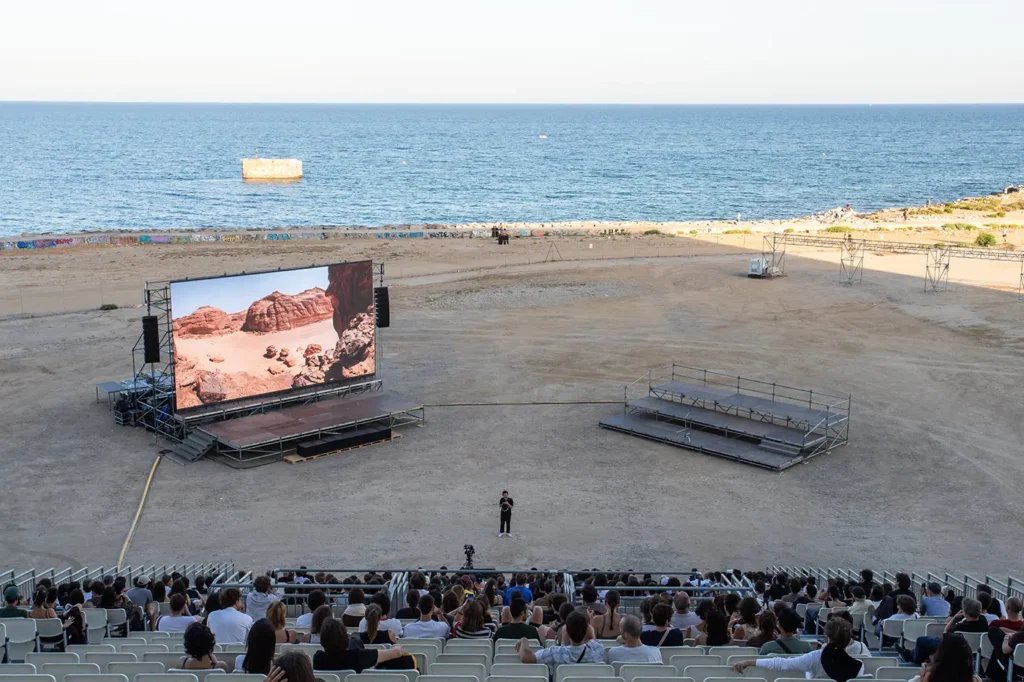
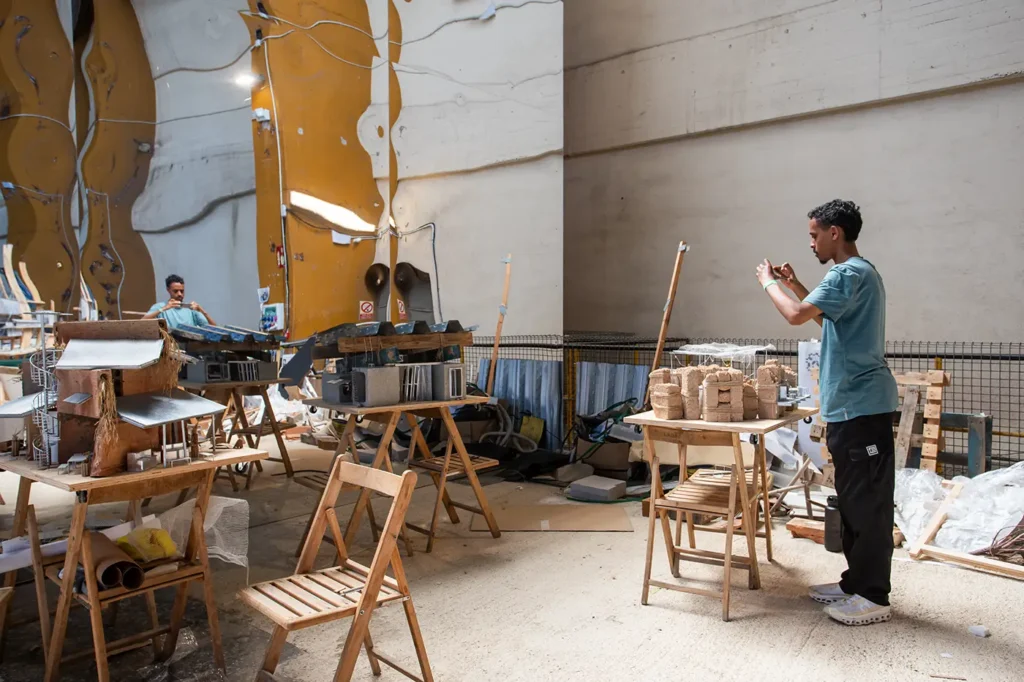
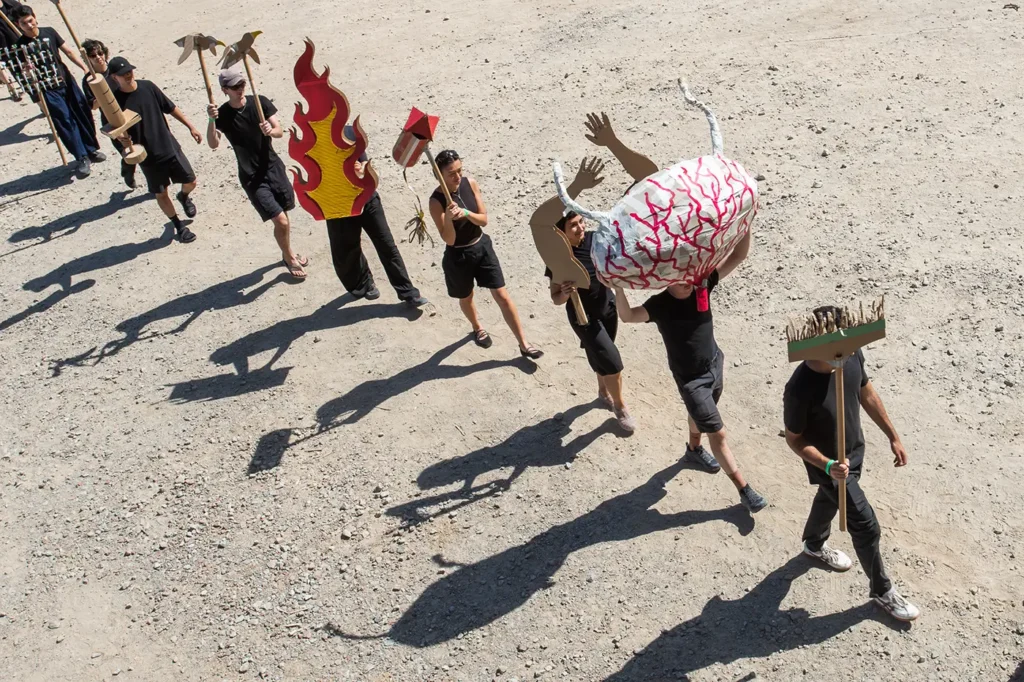
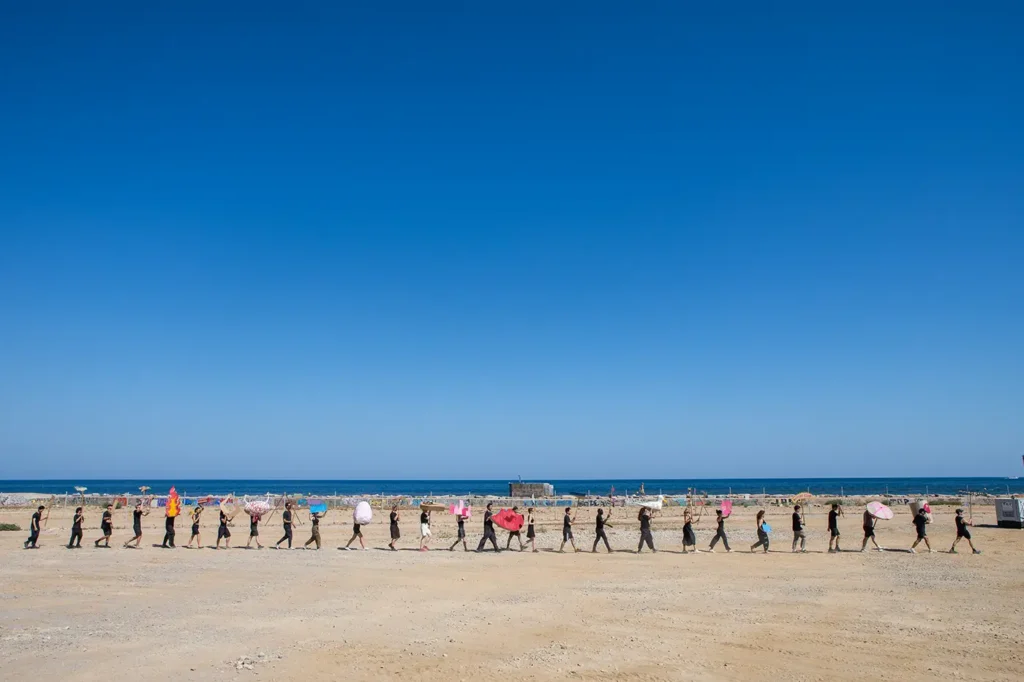
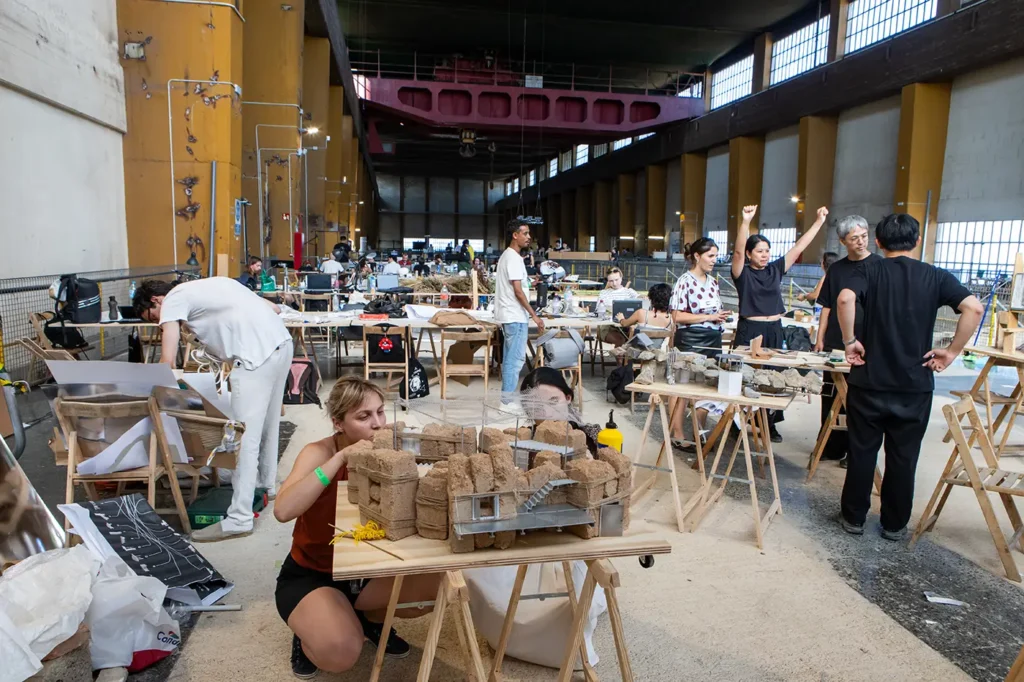
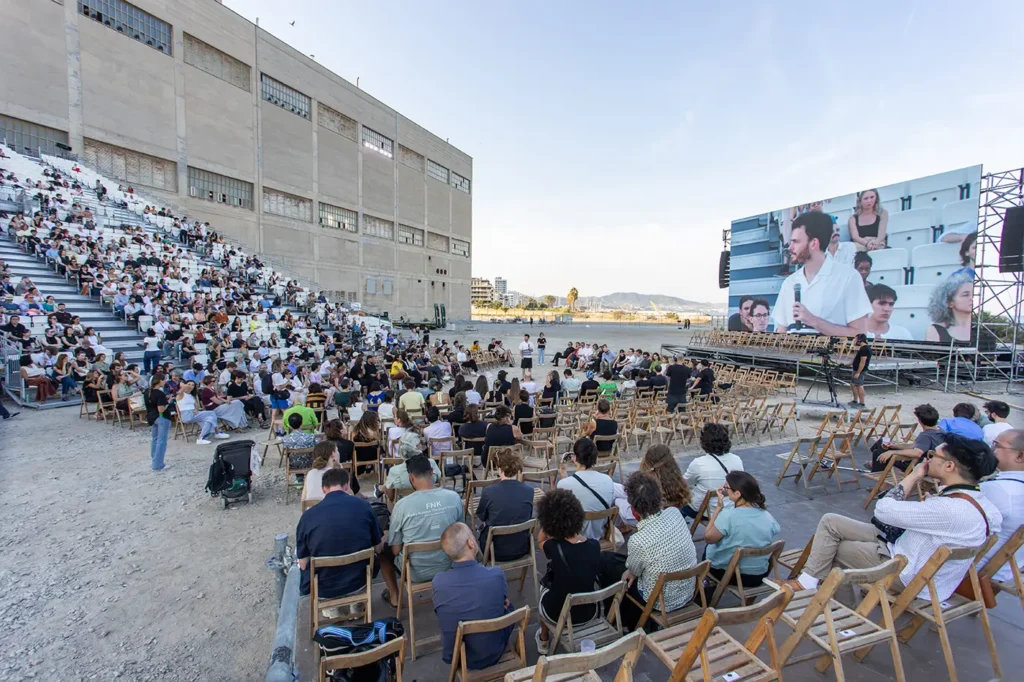
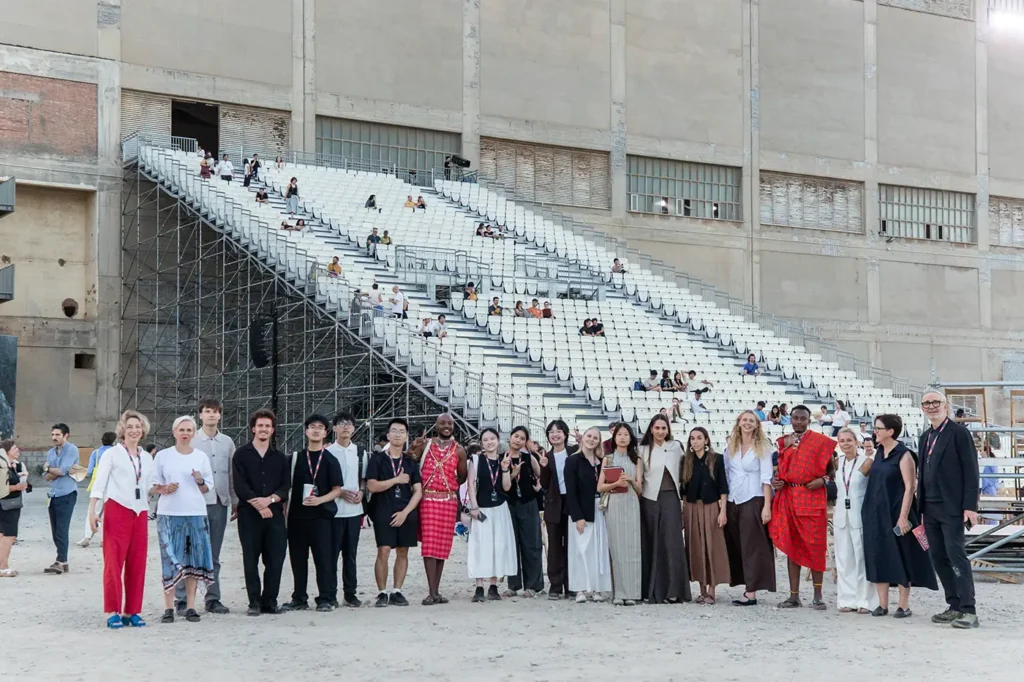
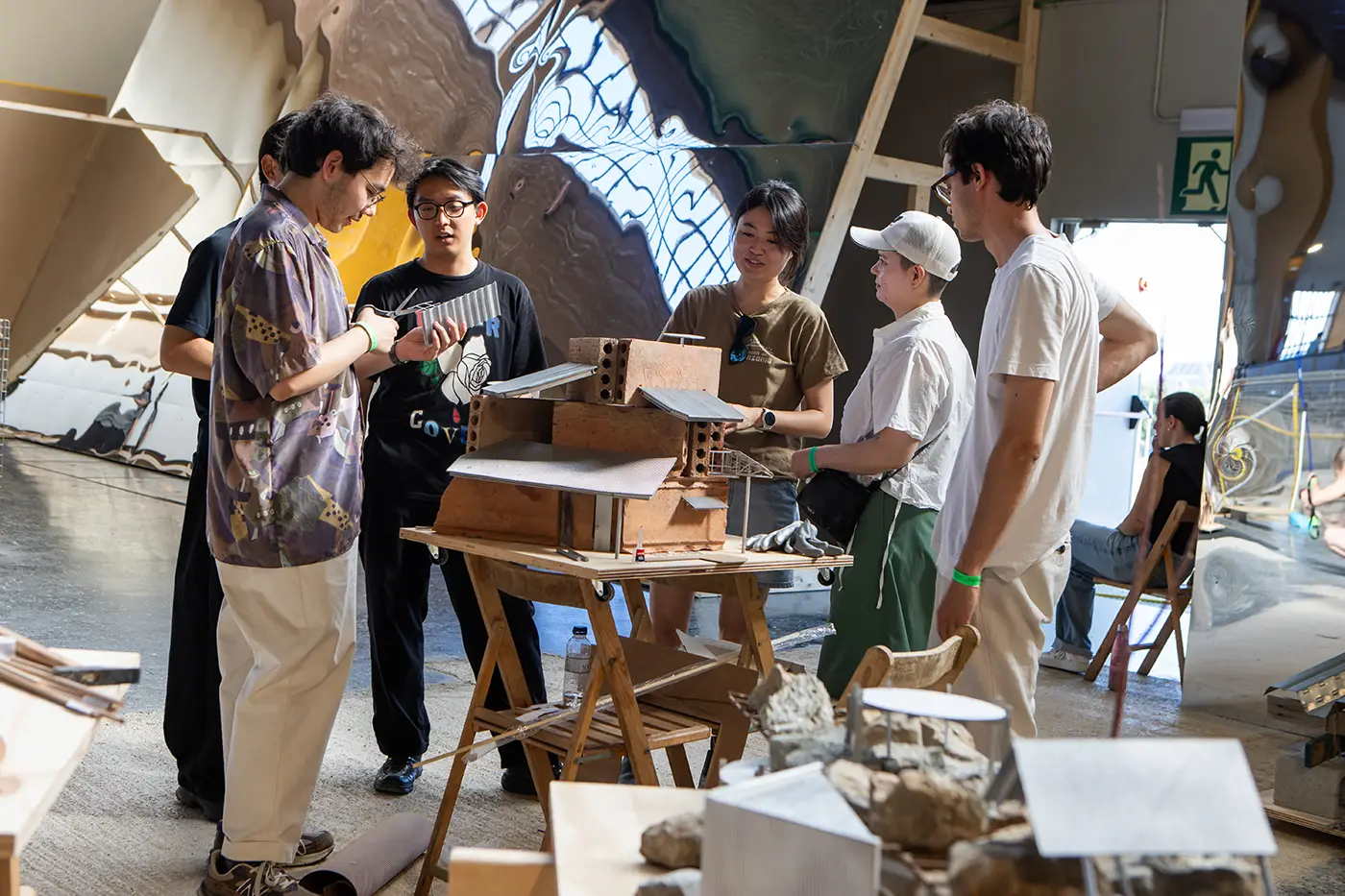
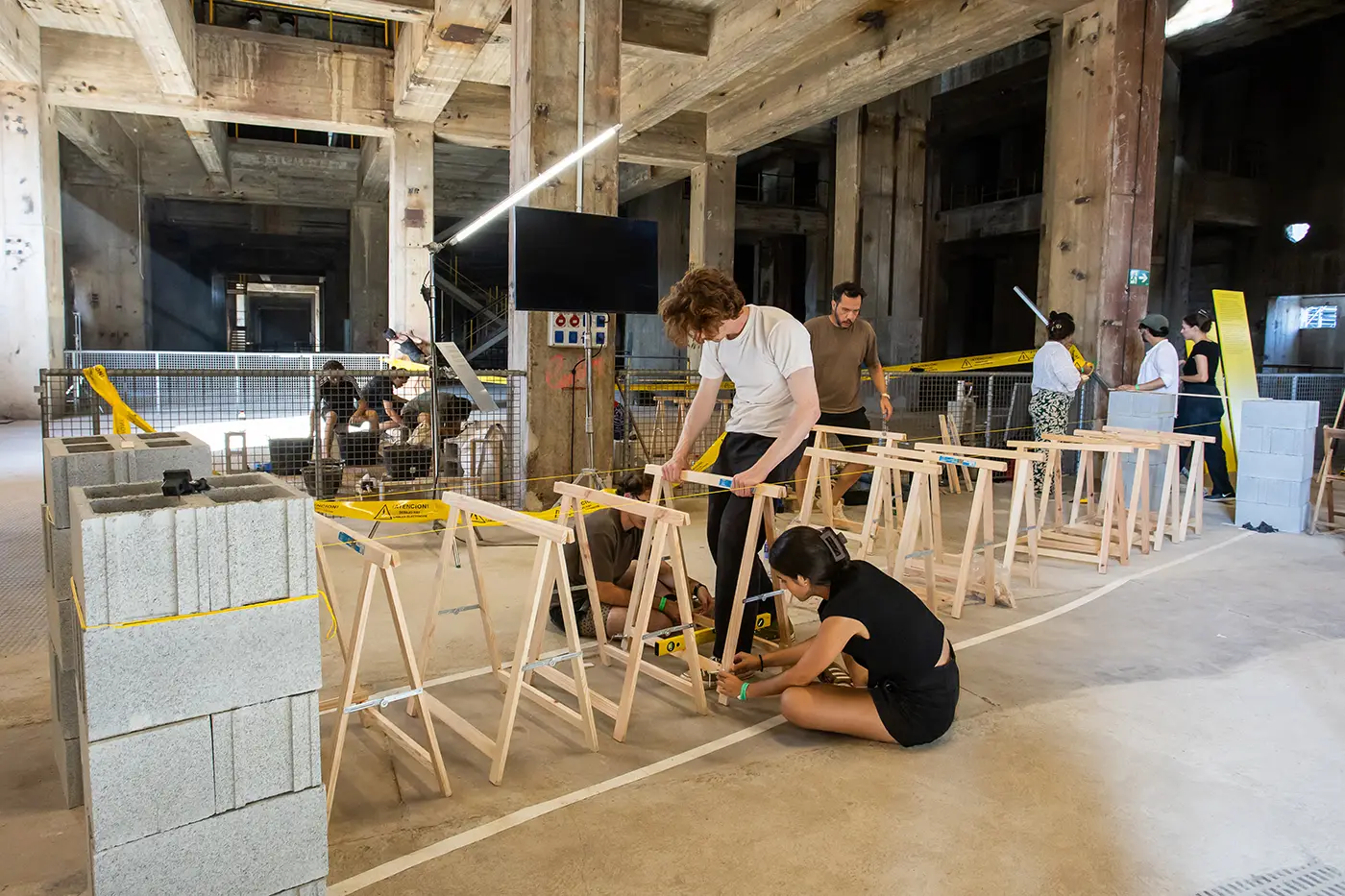
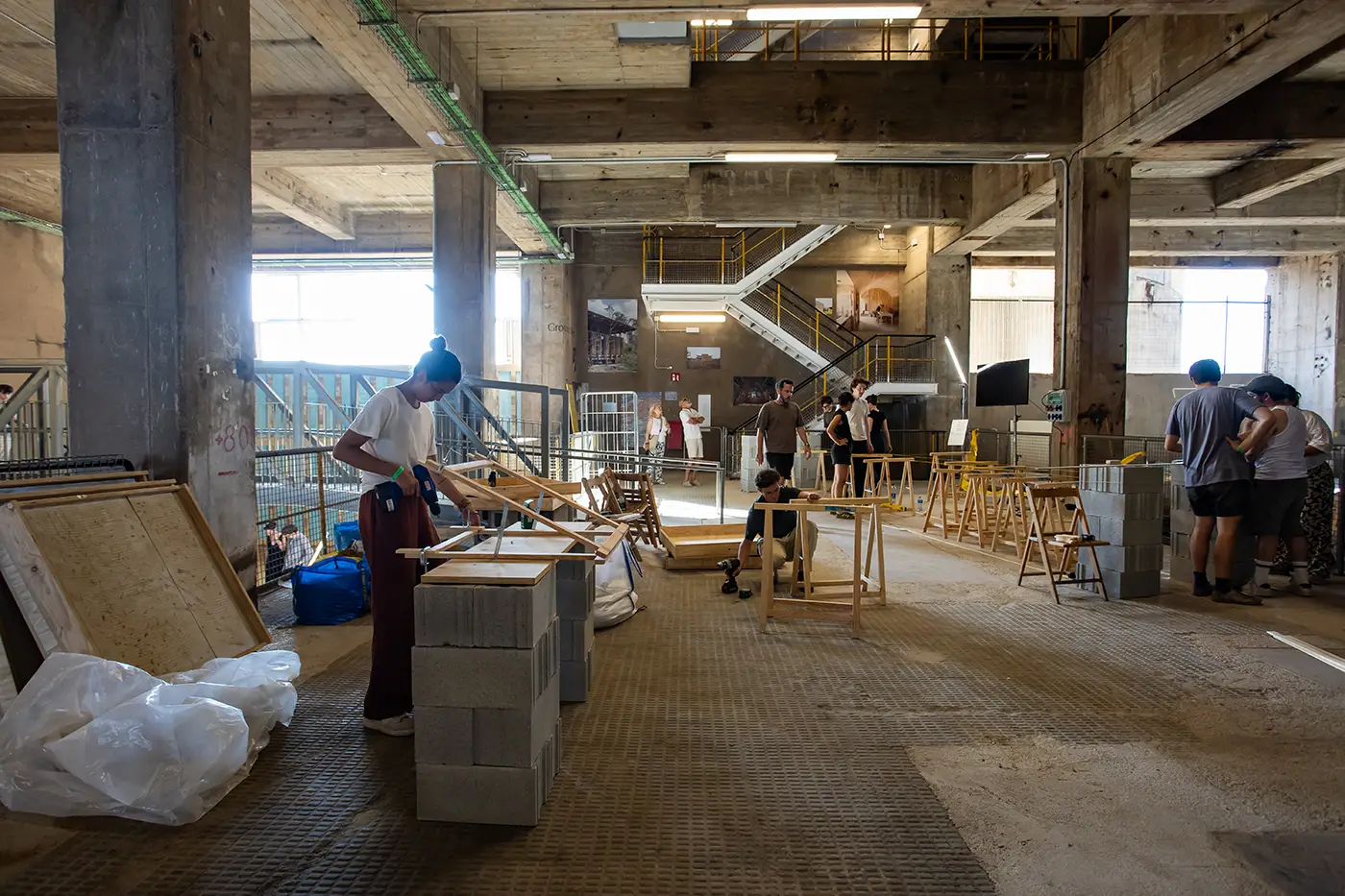
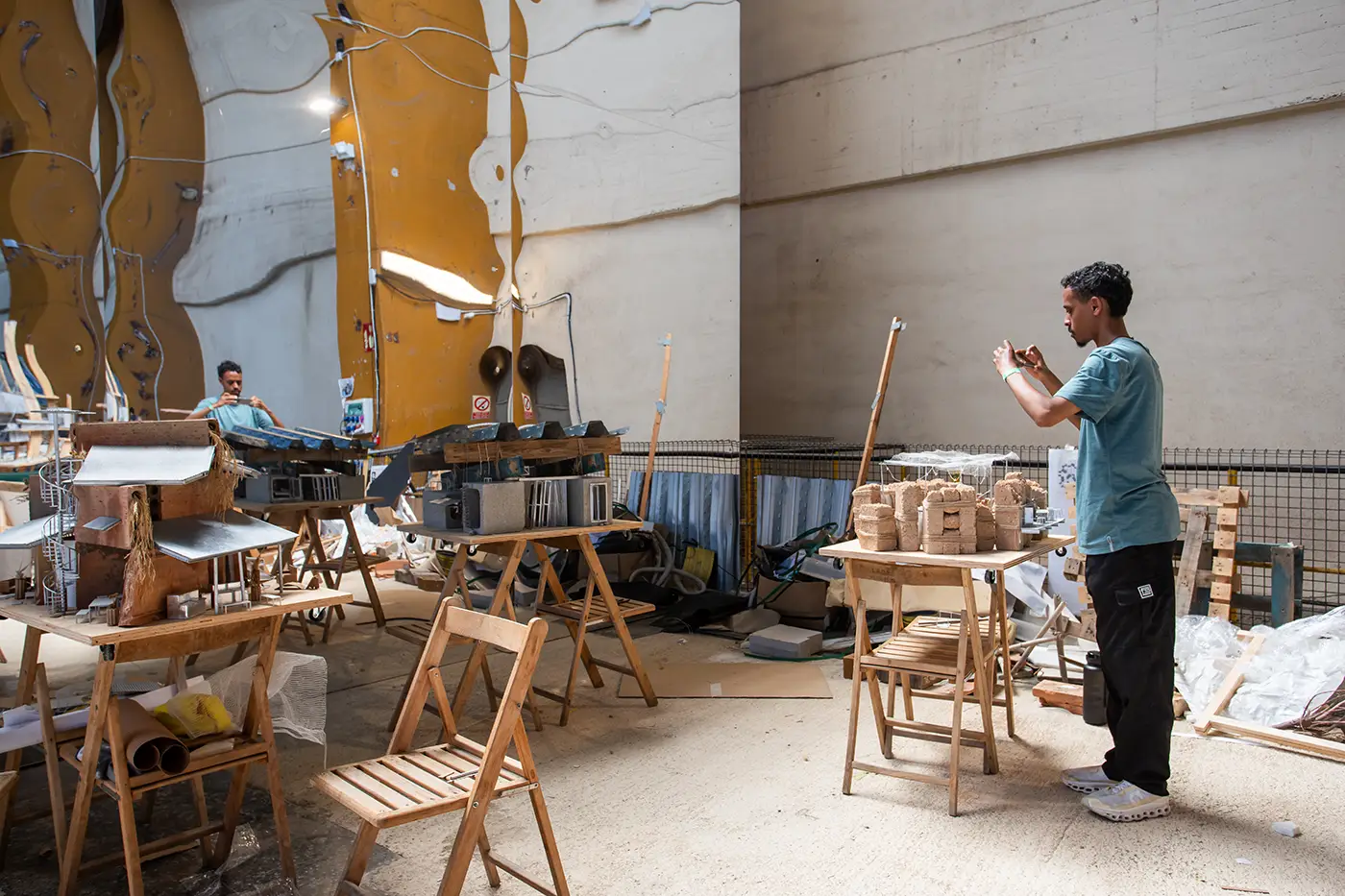
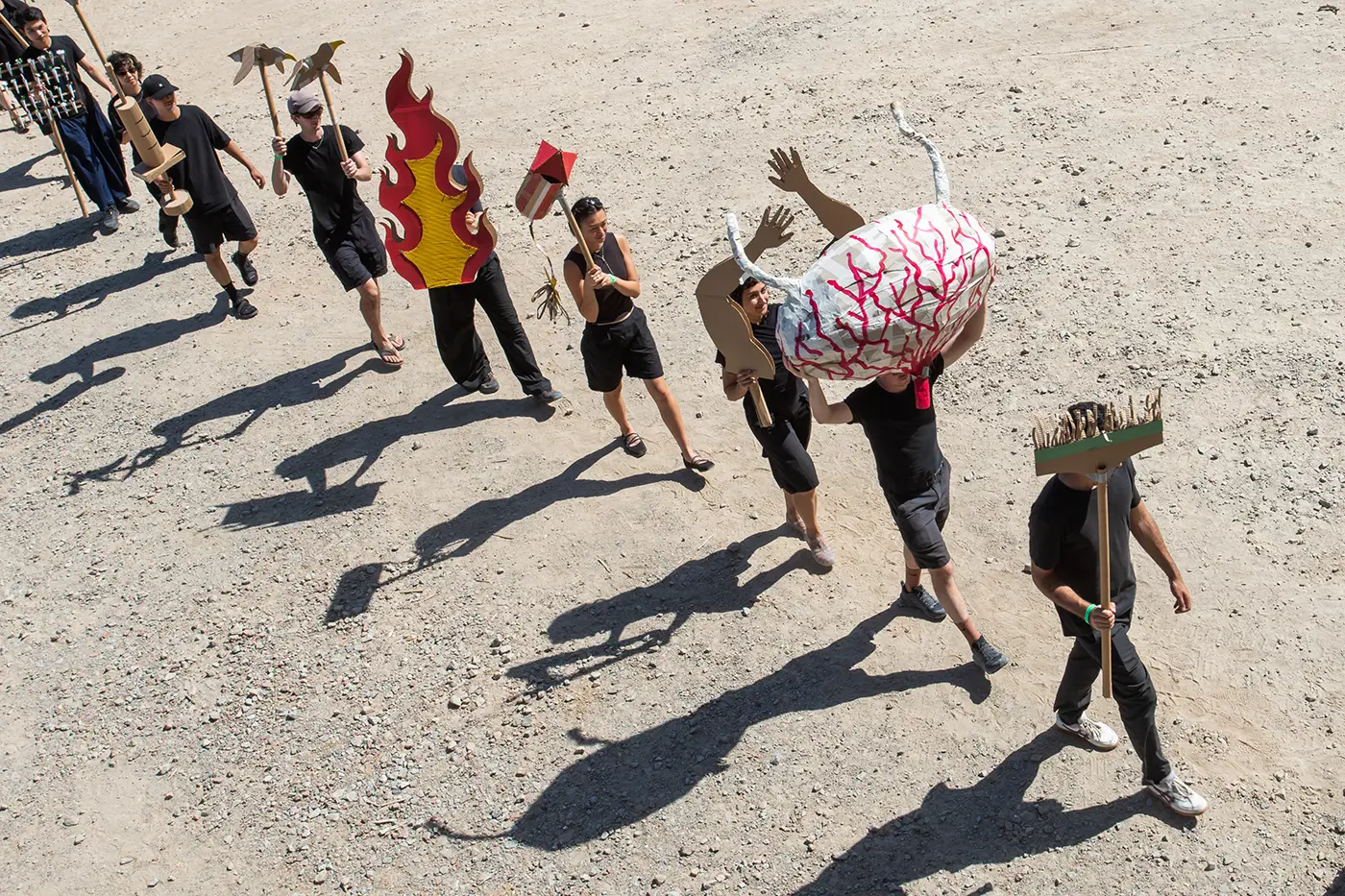
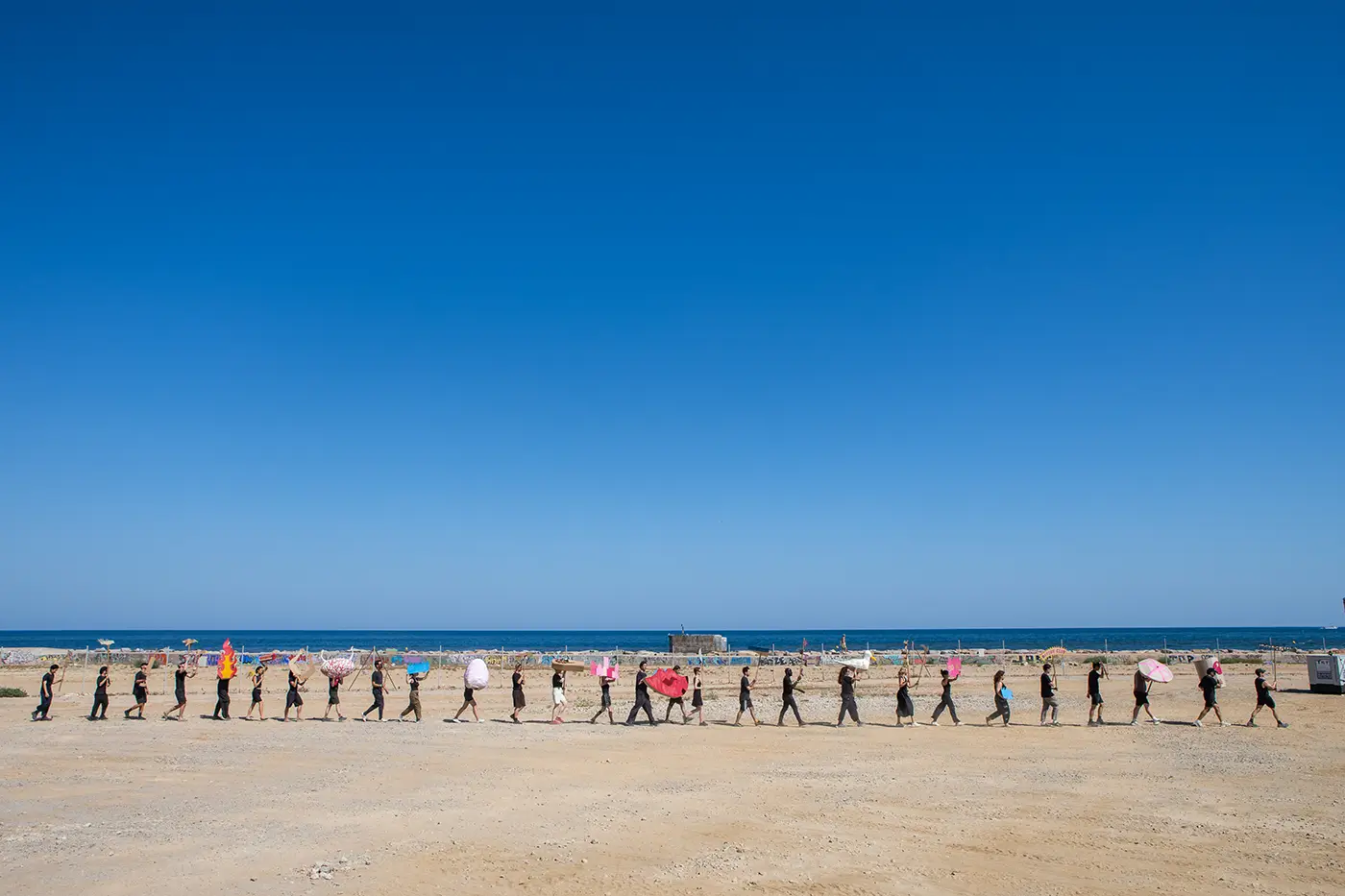
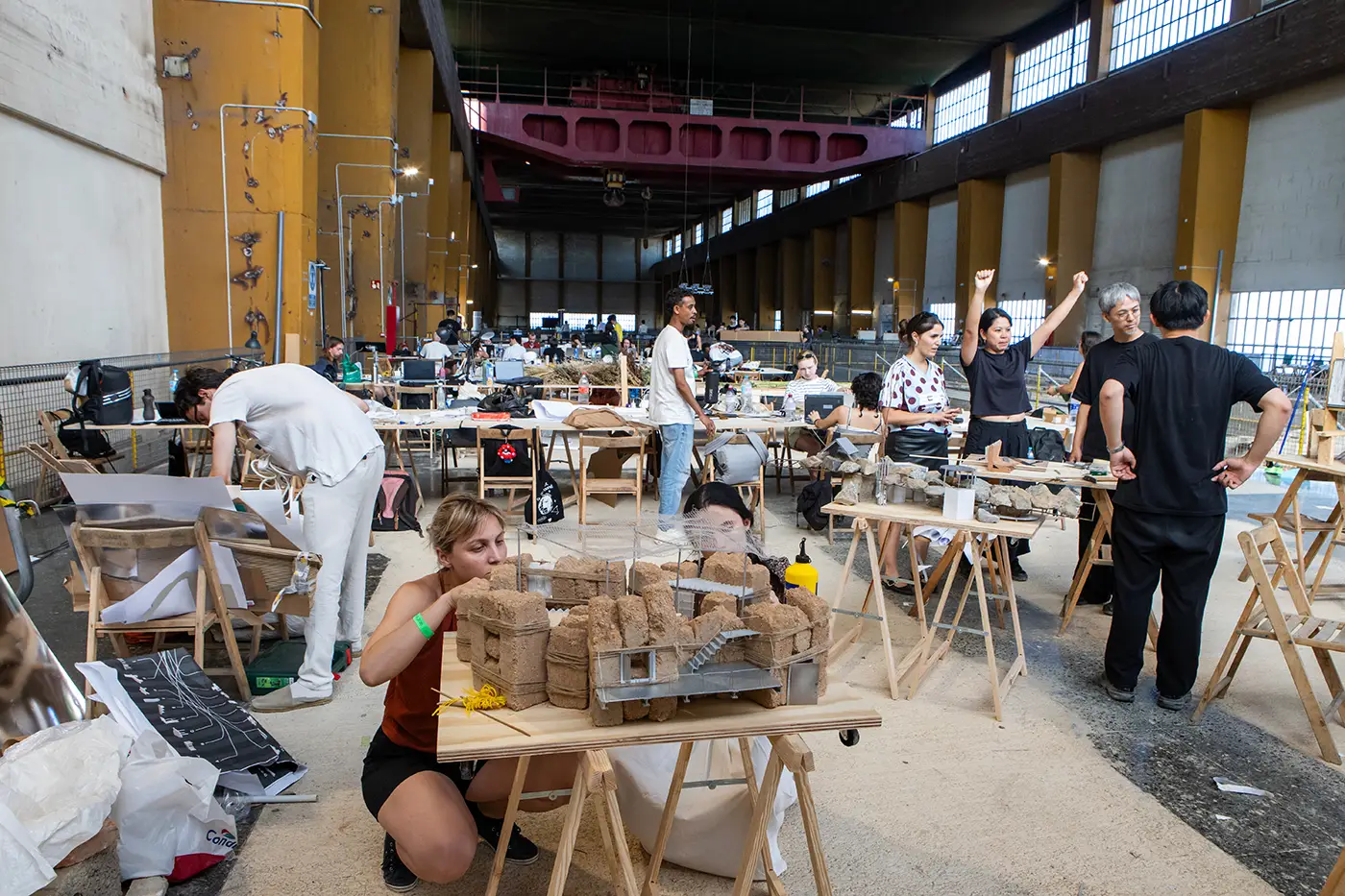
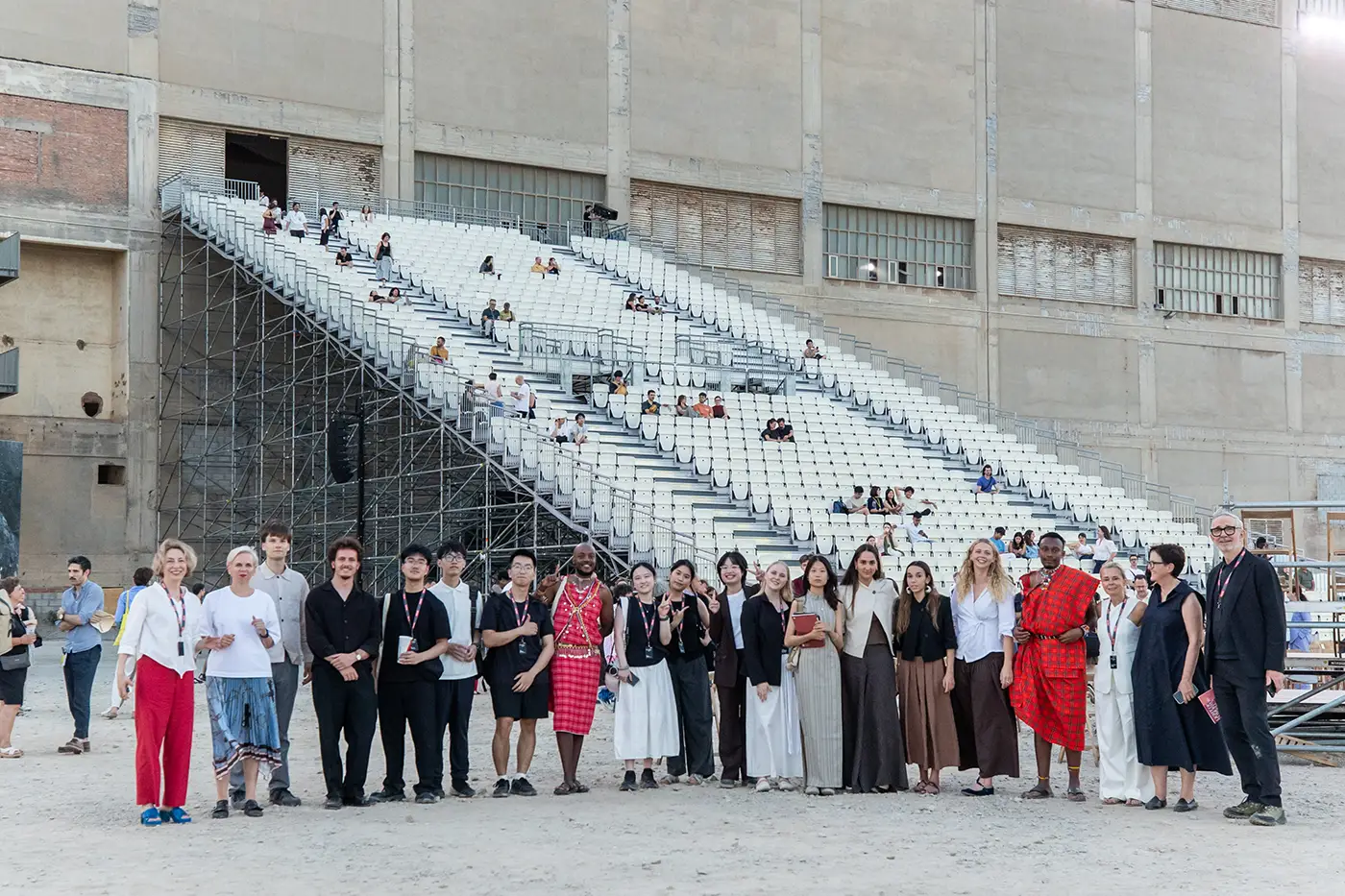
The programme began with the International Emerging Workshop (18–27 June), which brought together 180 students in the lead-up to the Congress.
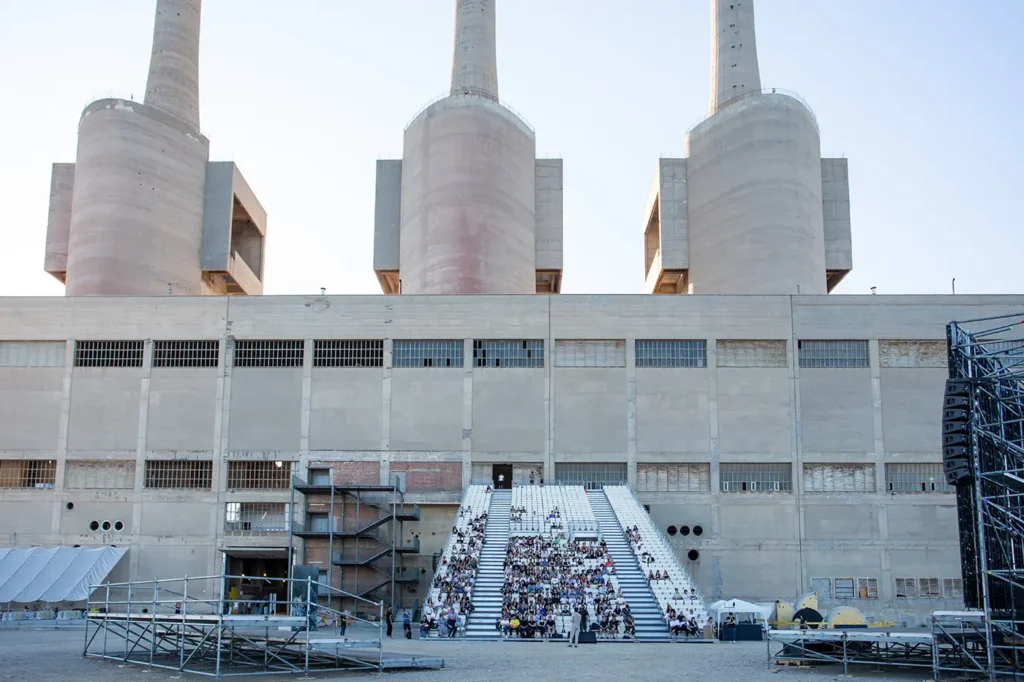
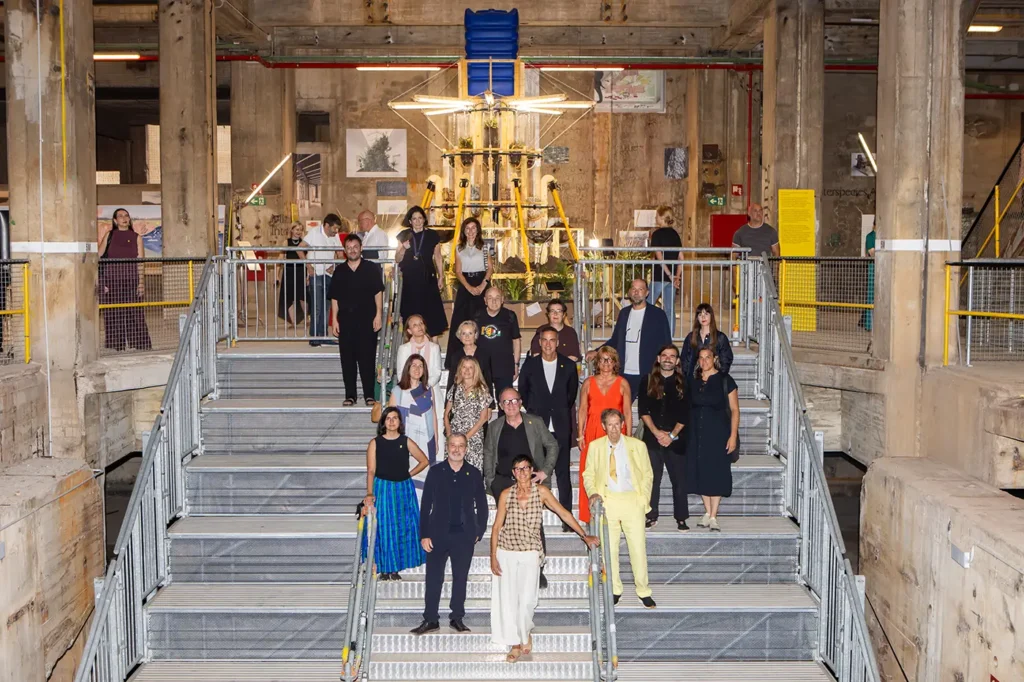
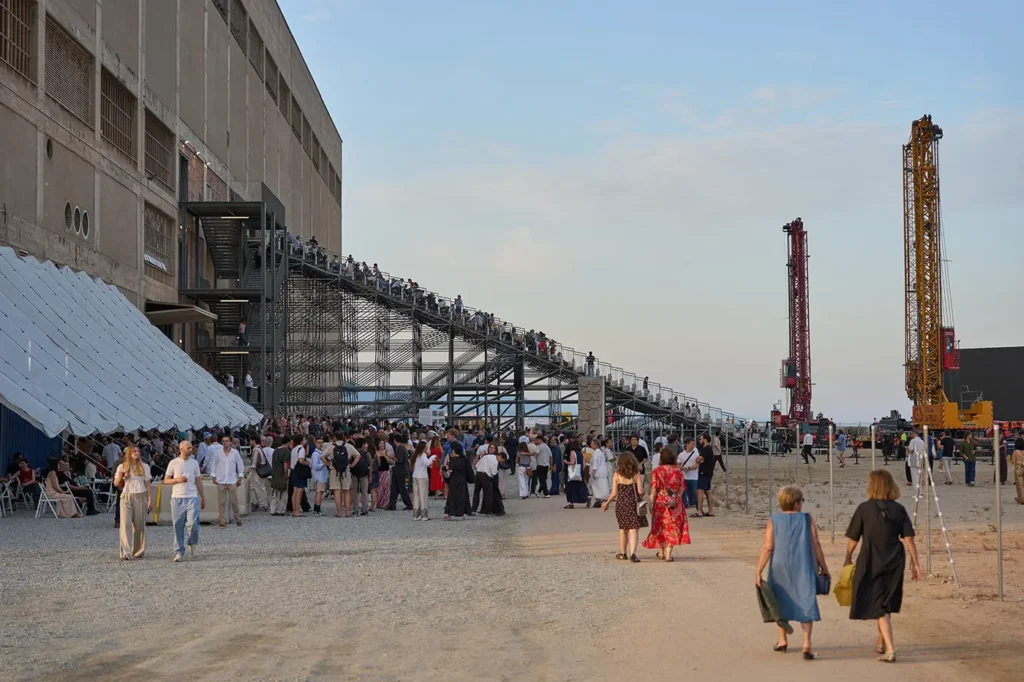
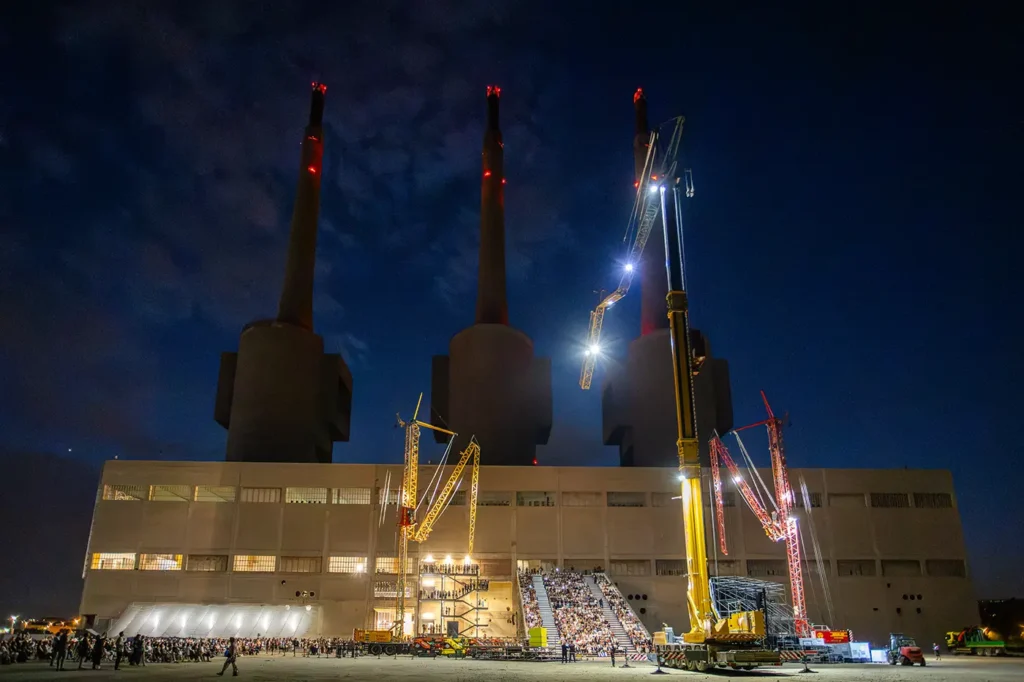
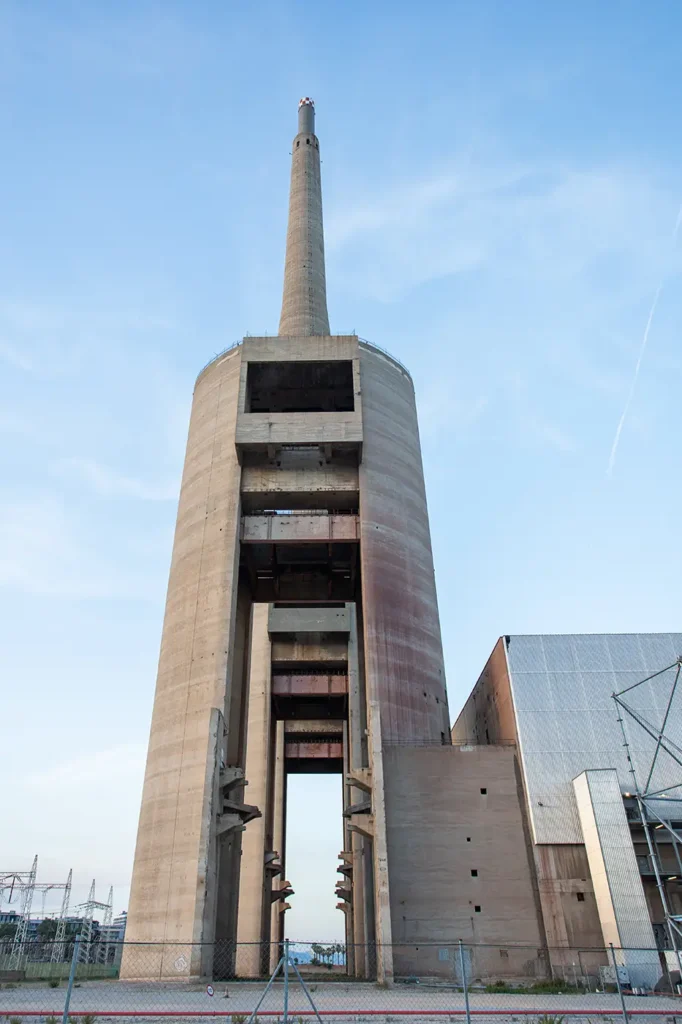
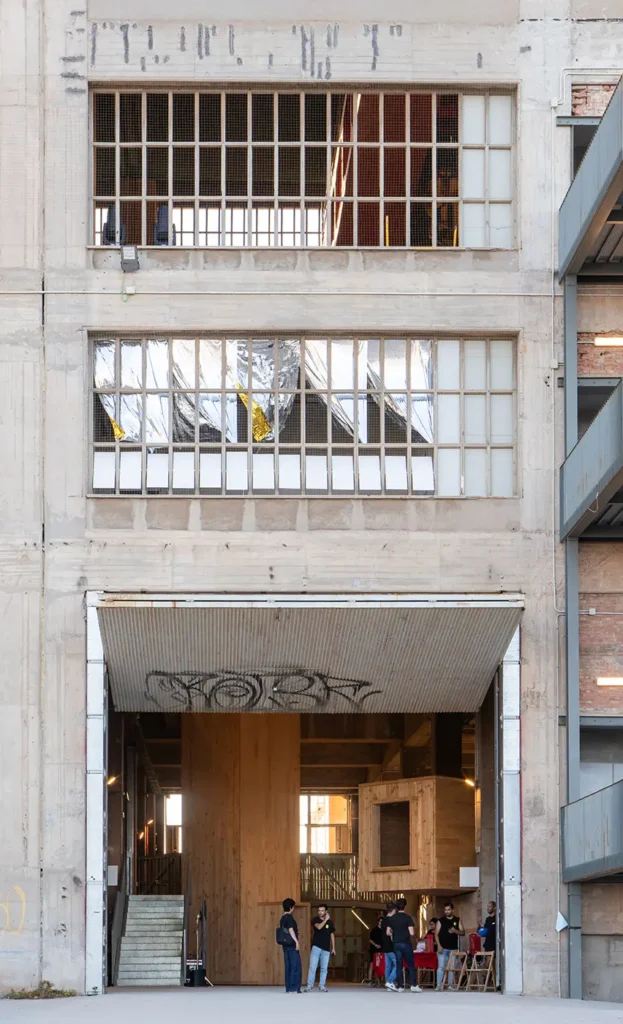
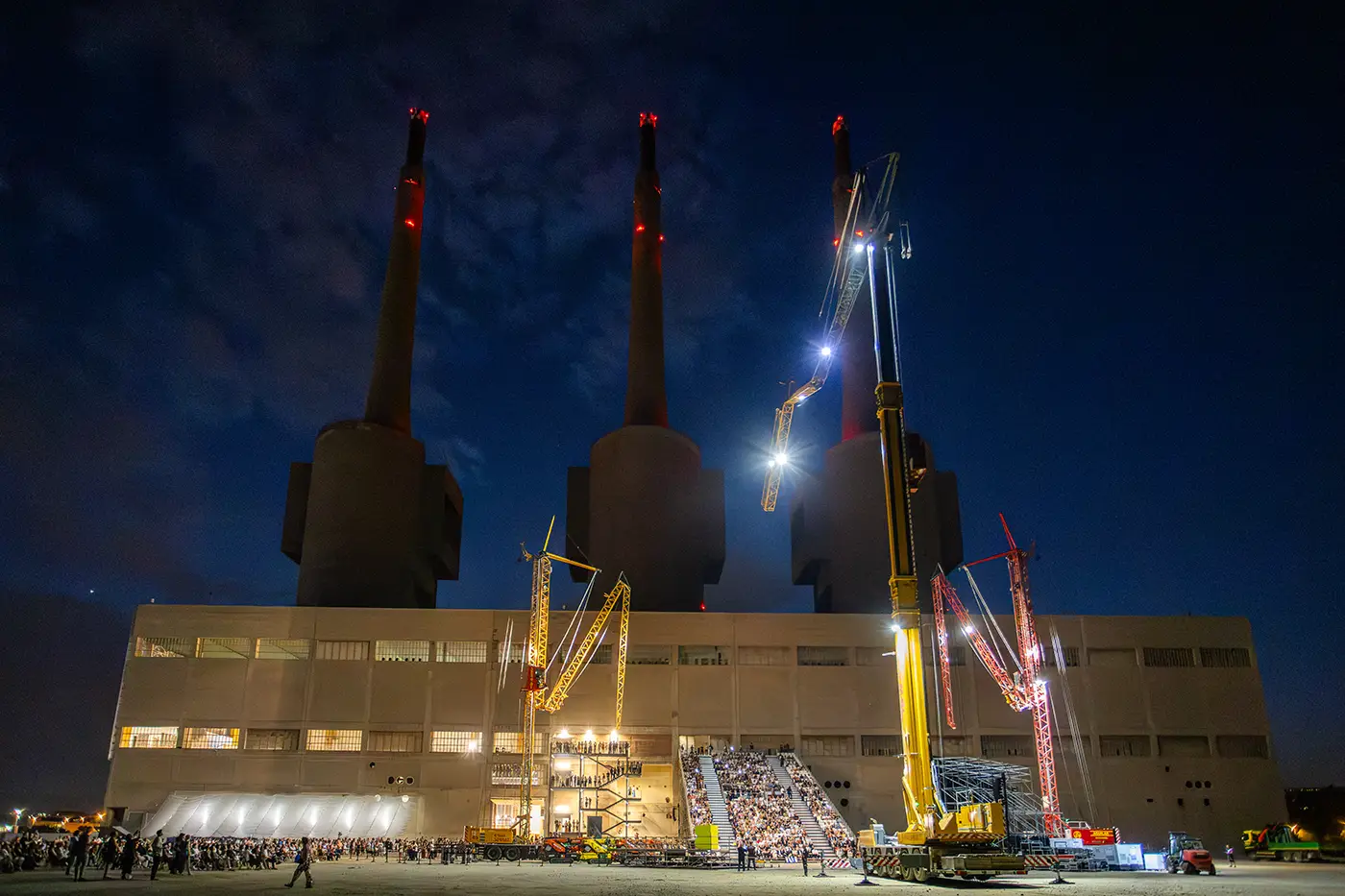
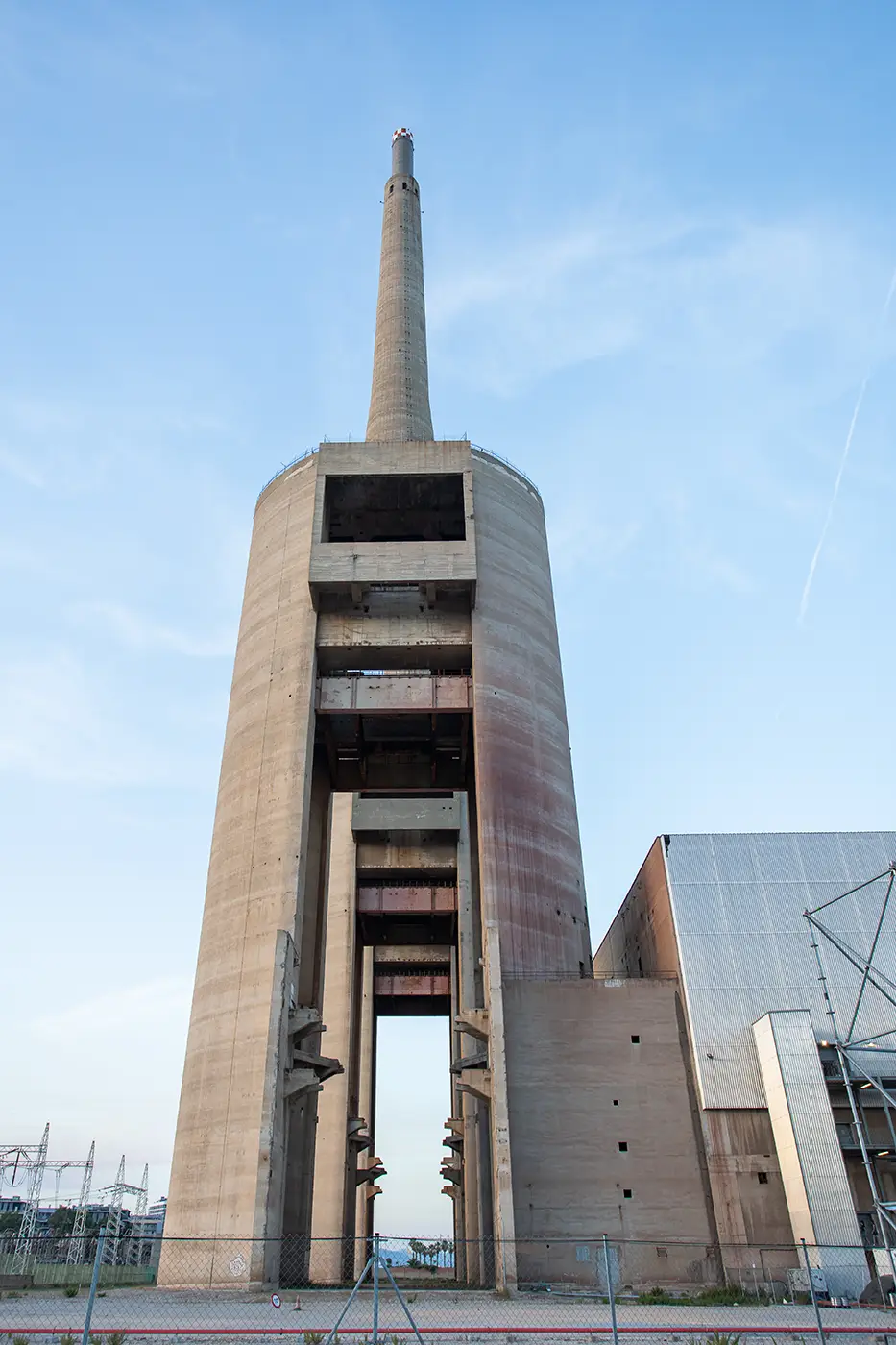
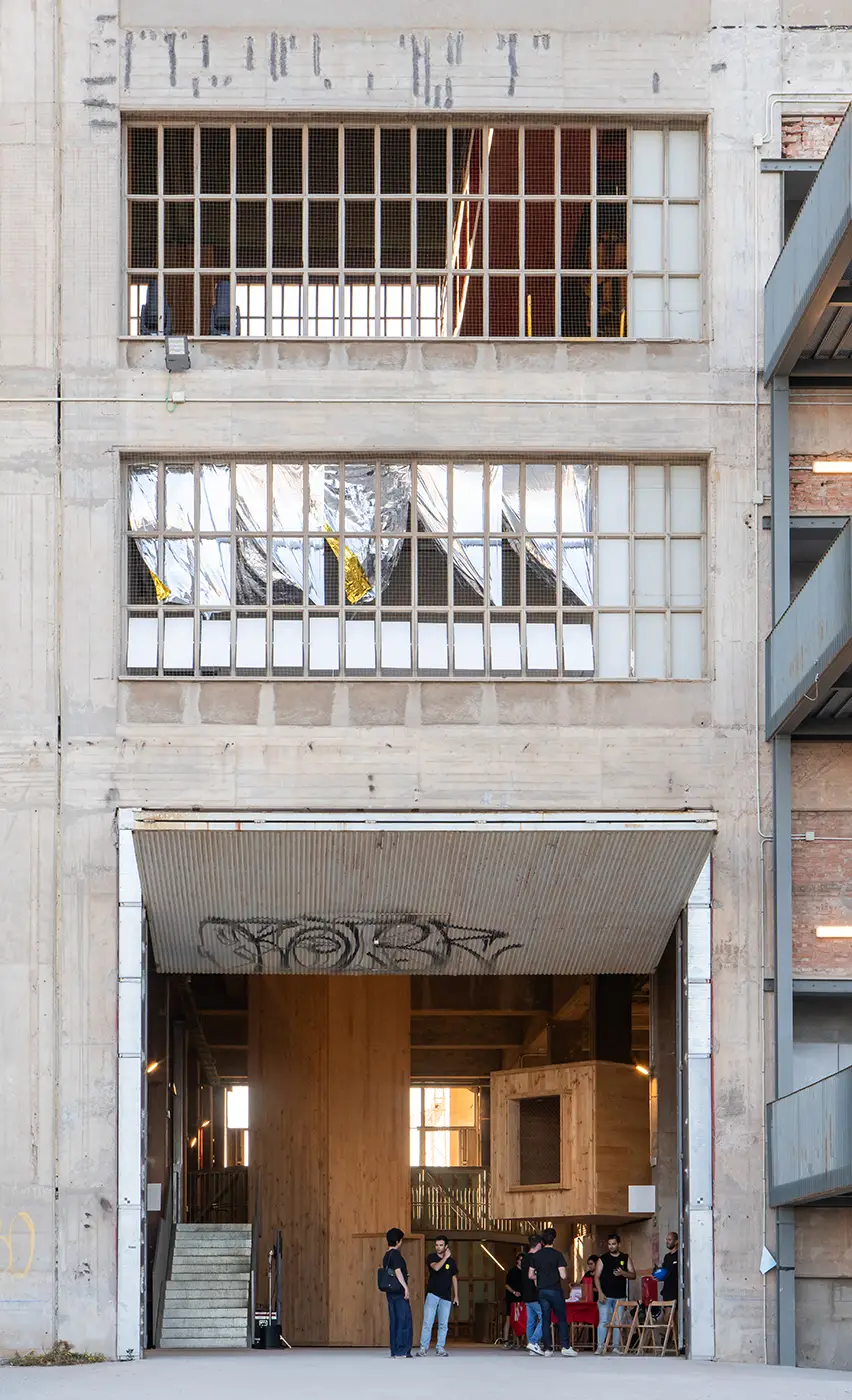
The workshop activated the main venue — Les Tres Xemeneies del Besòs — ahead of the official opening, transforming it into a space for learning, exchange, and public debate.
Photos by © Anna Mas.
Events and Celebrations
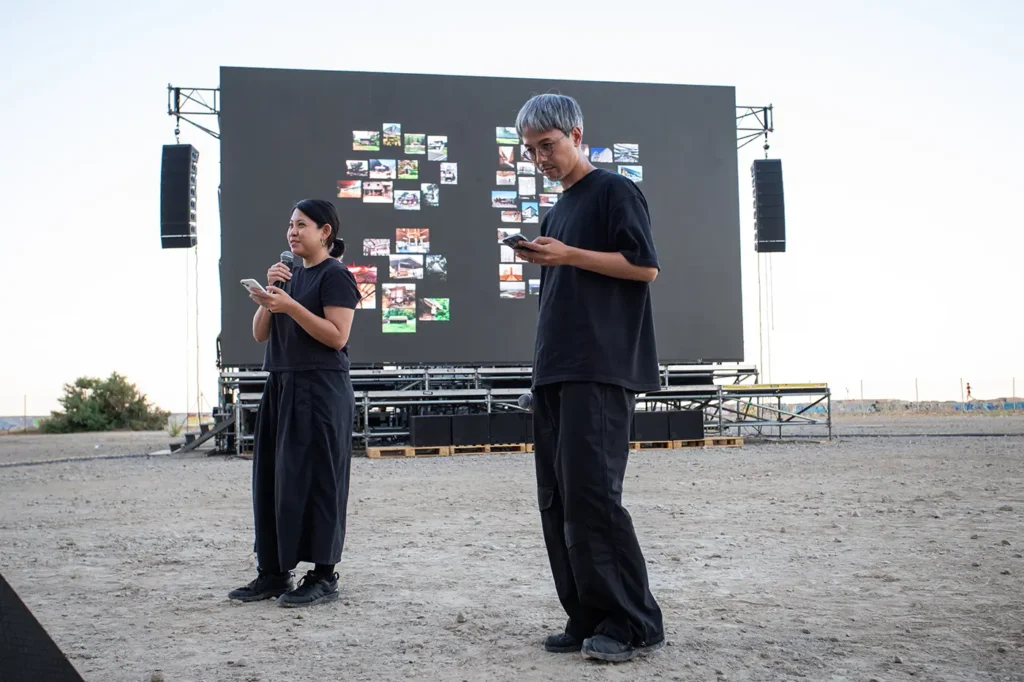
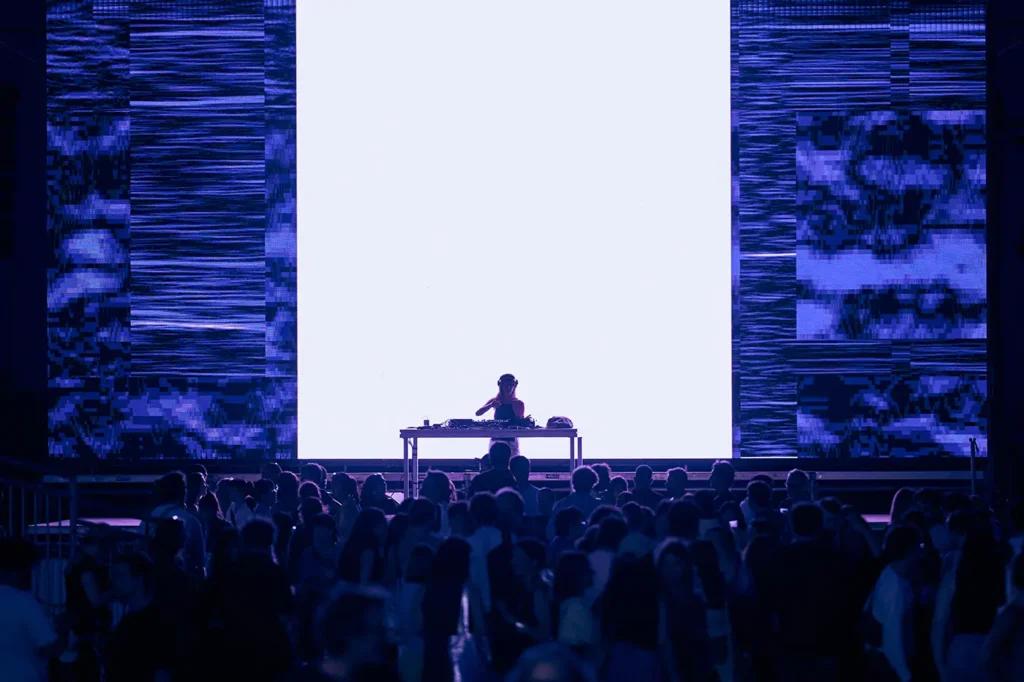
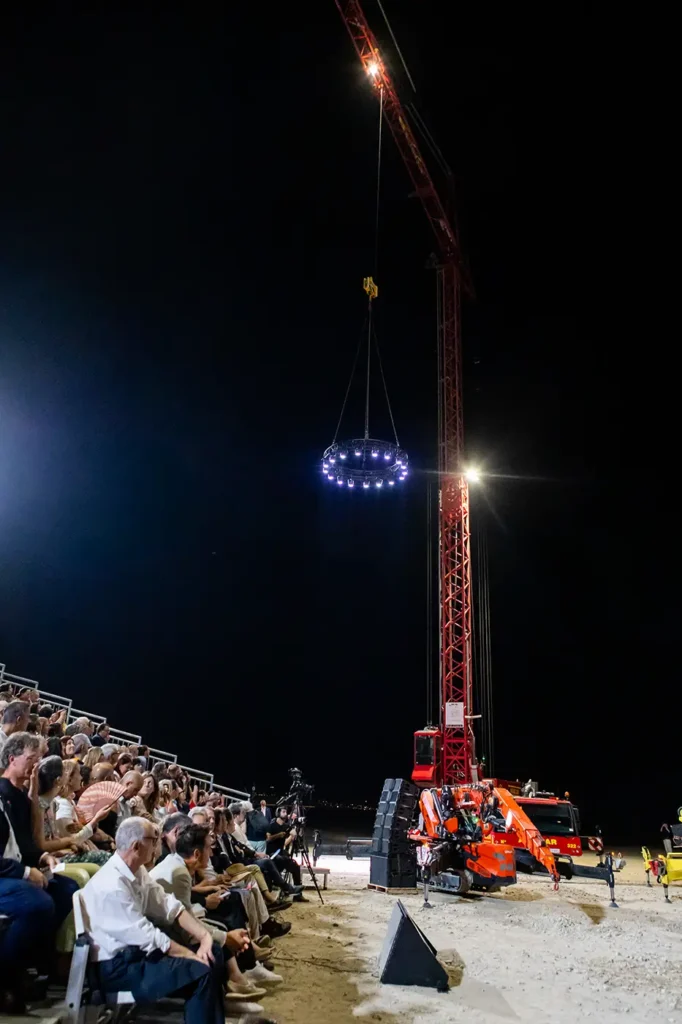
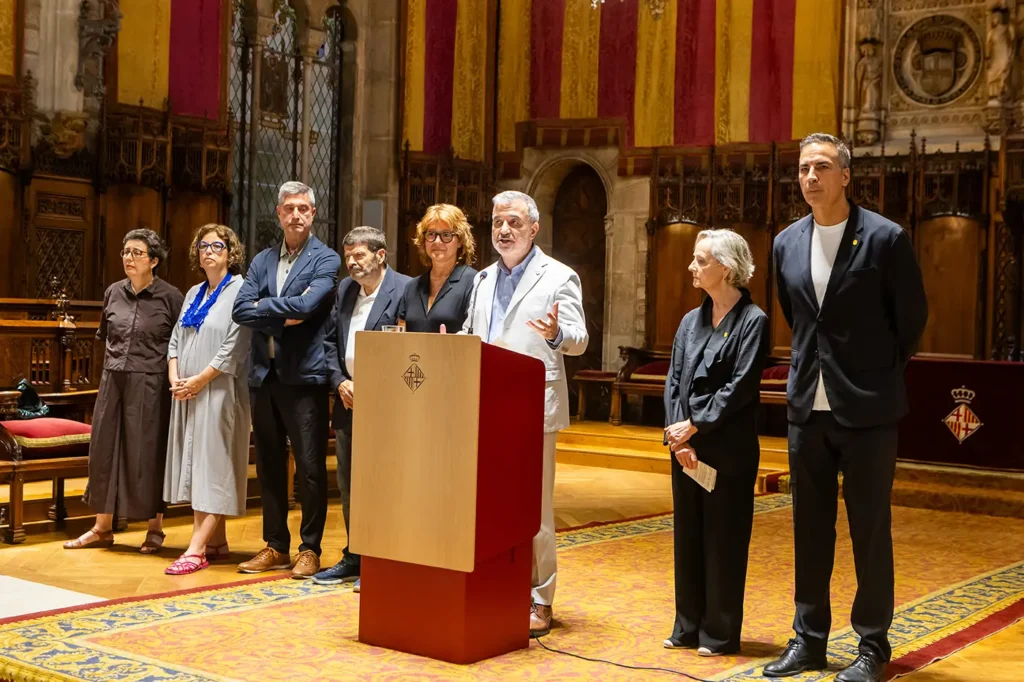
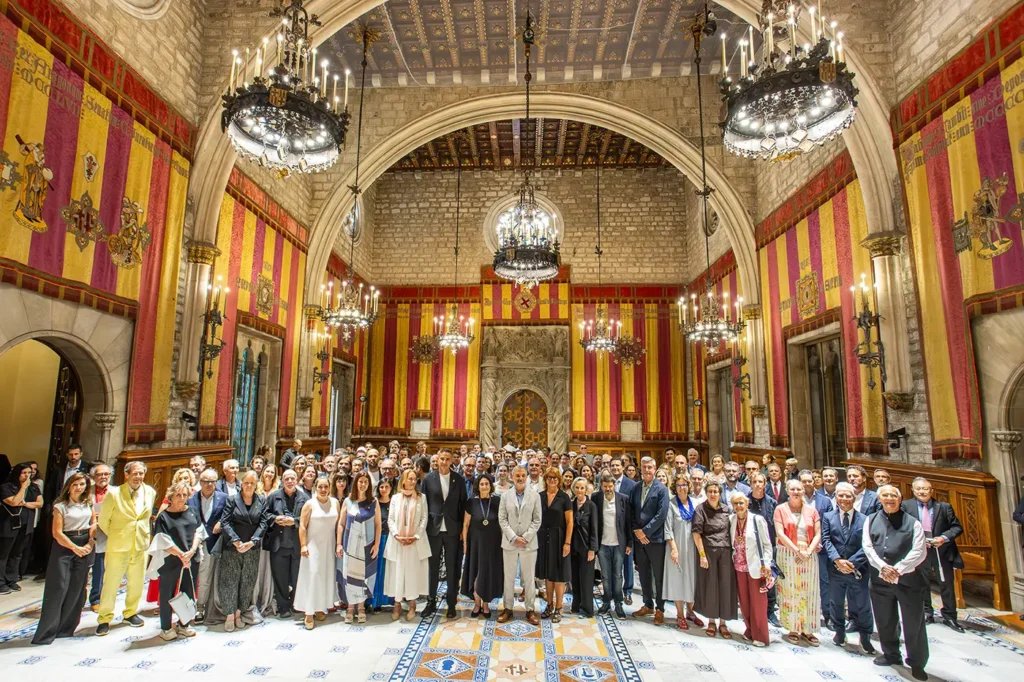
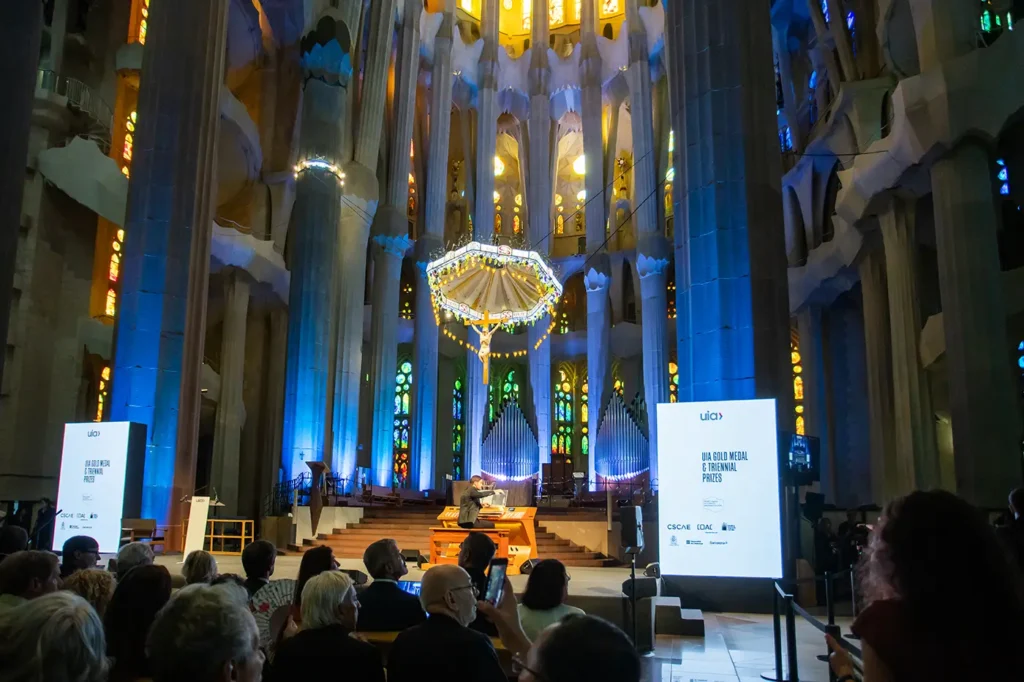
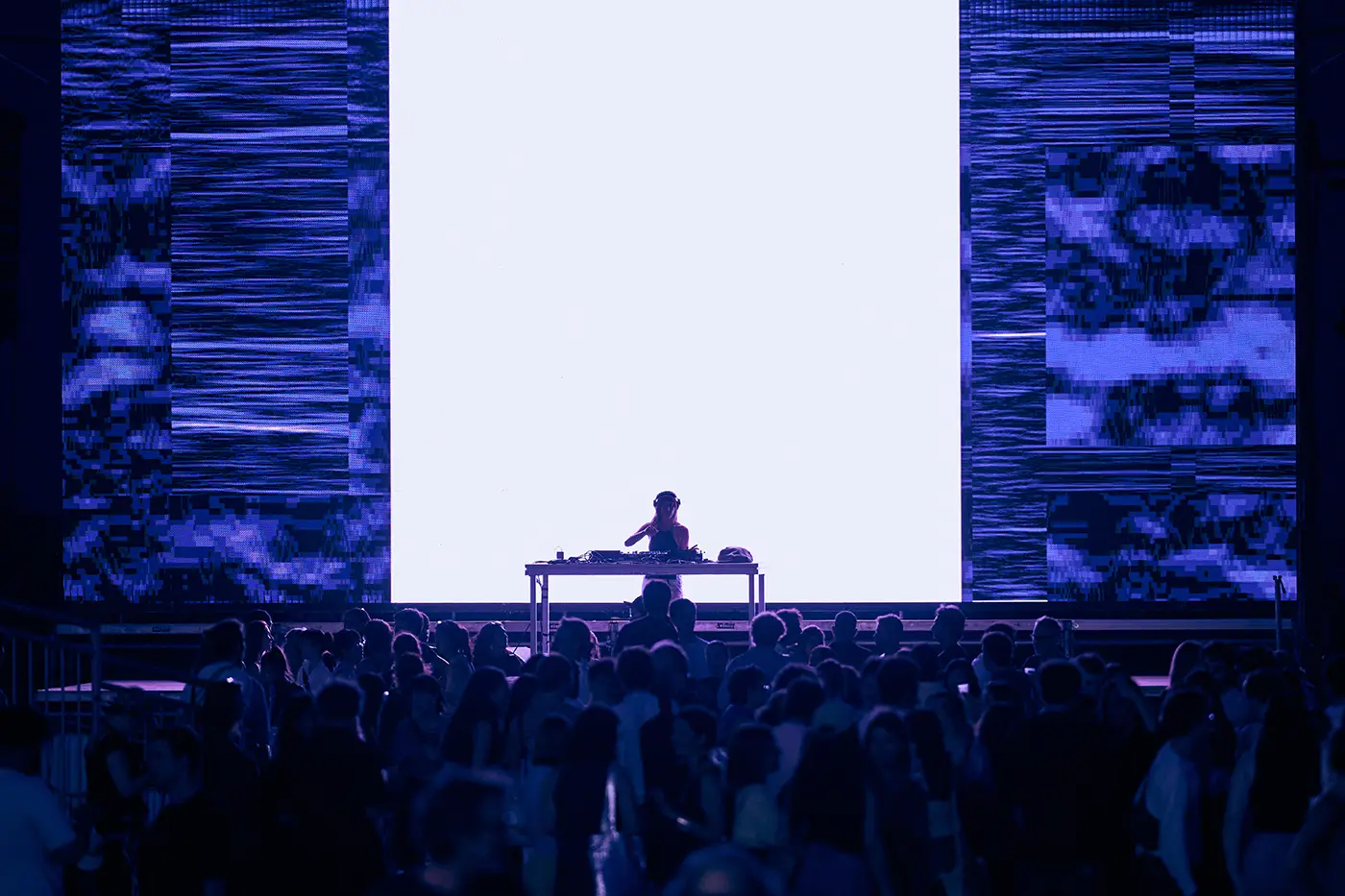
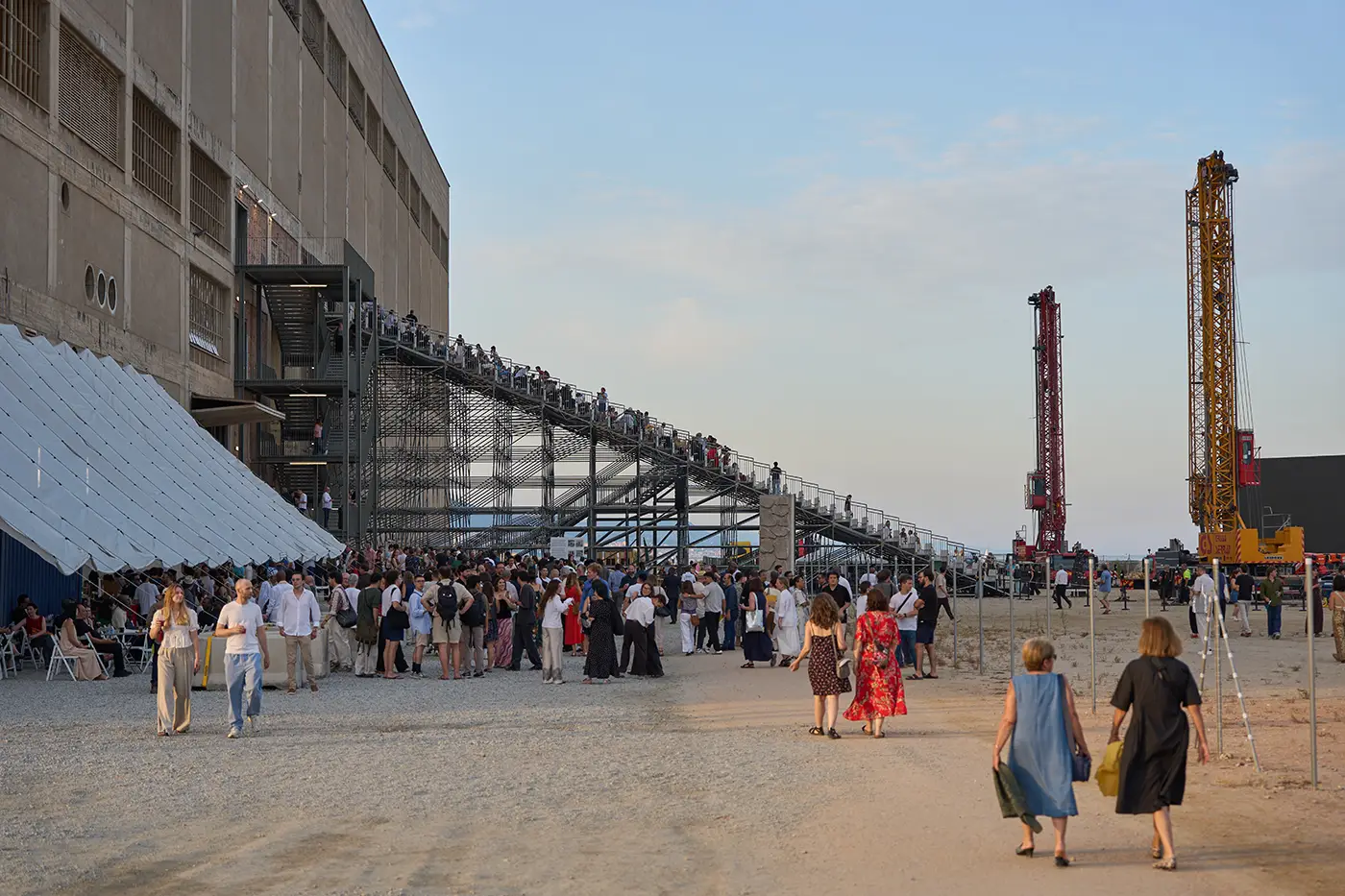
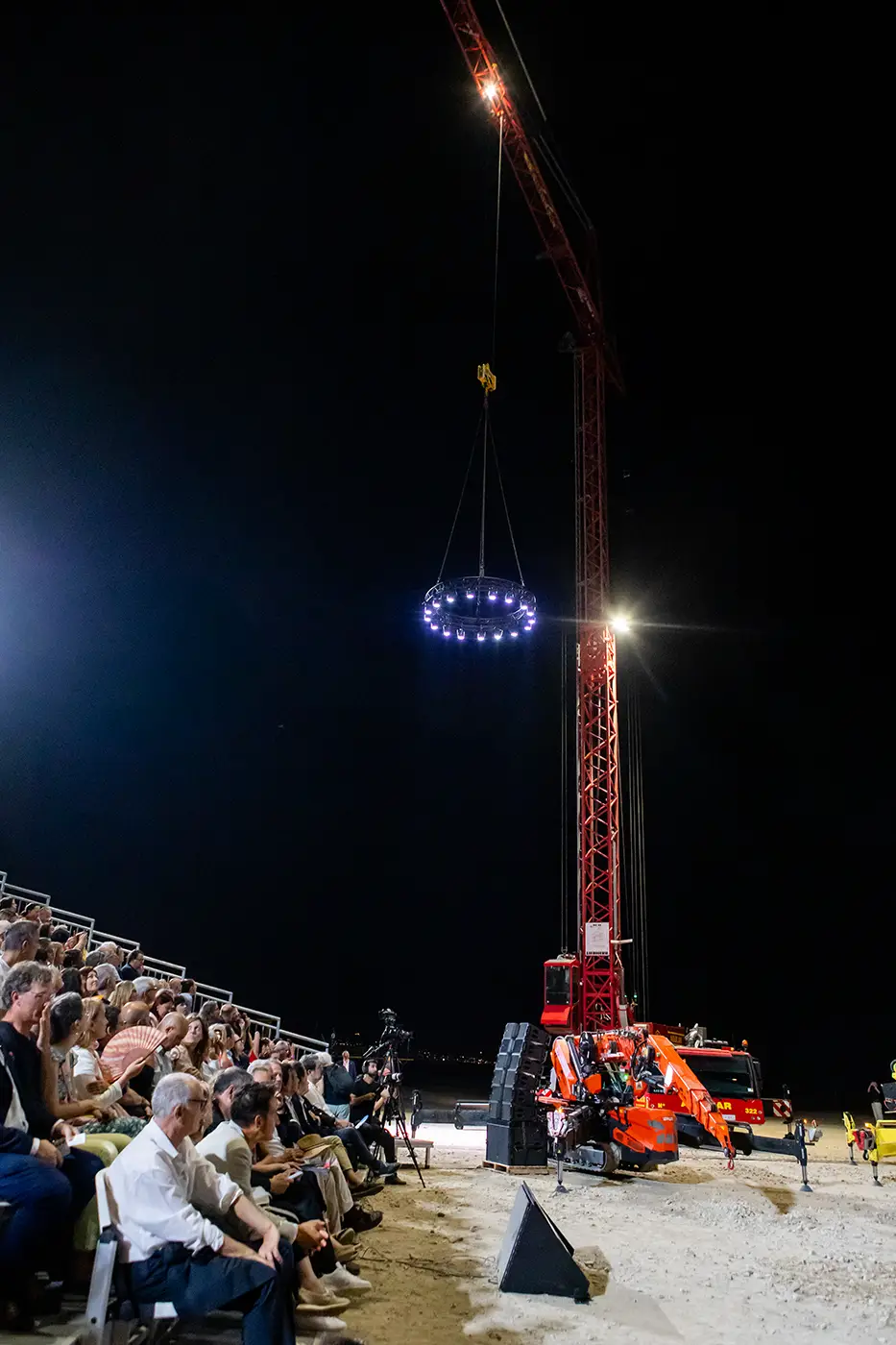
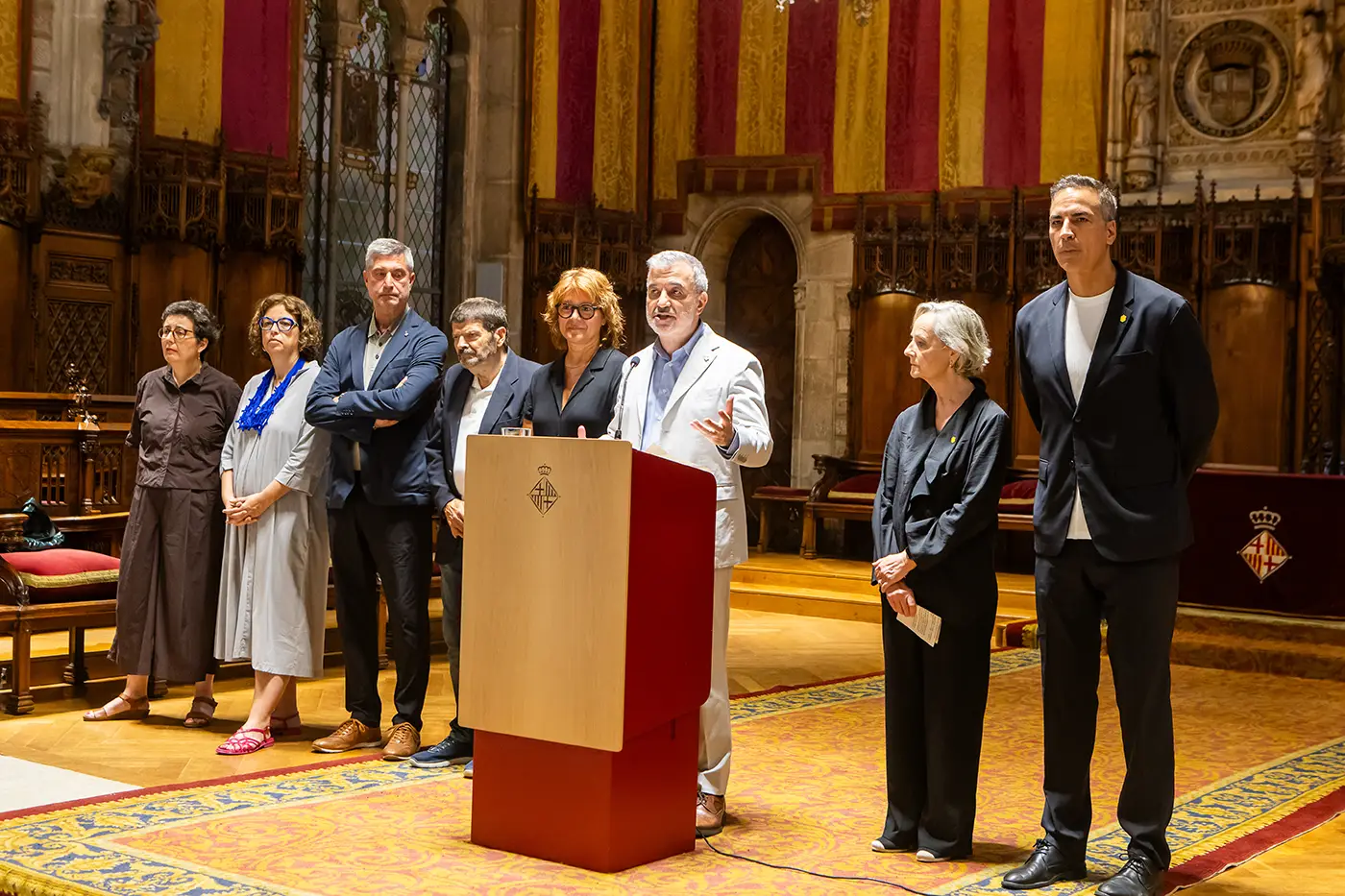
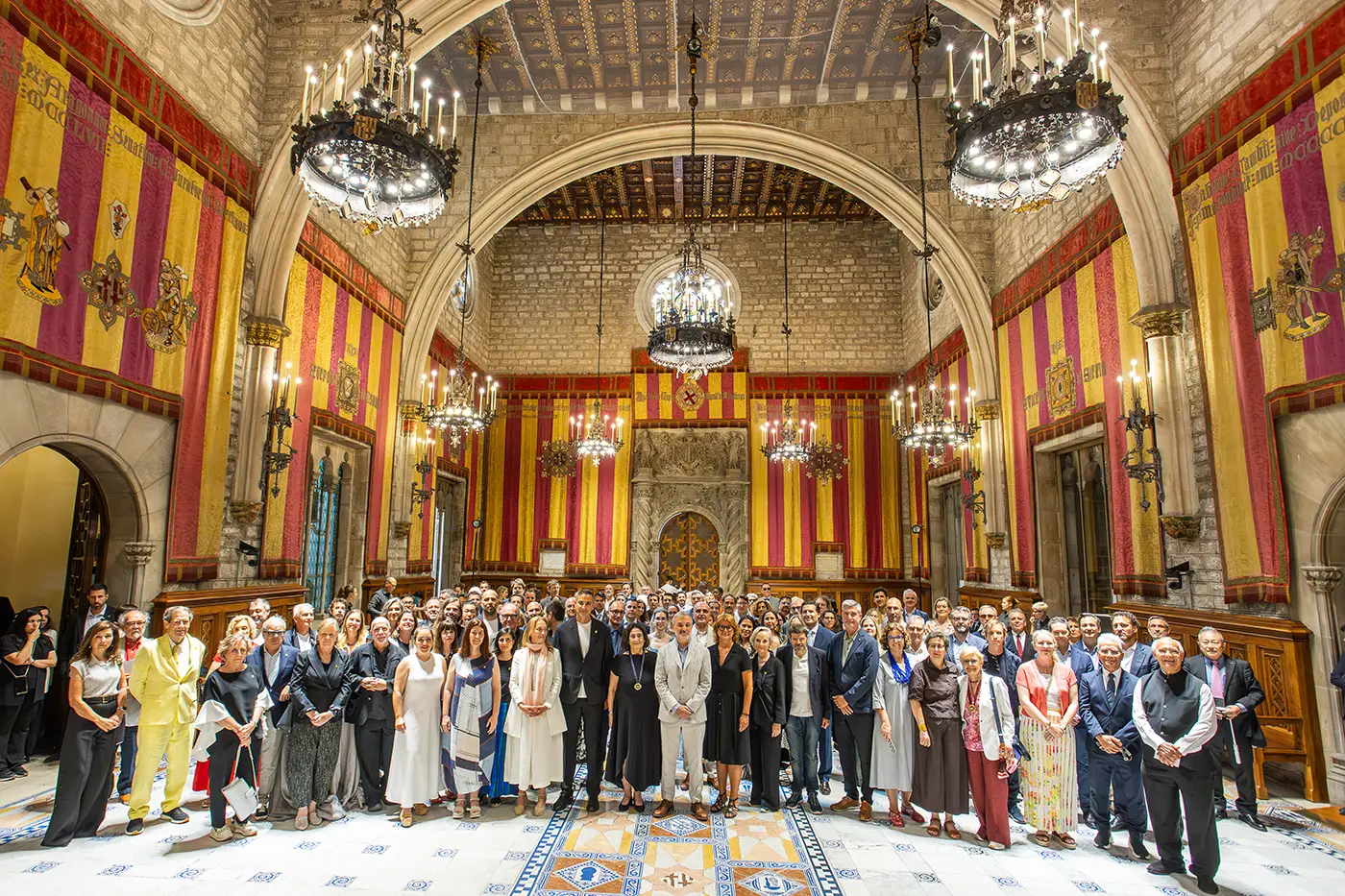
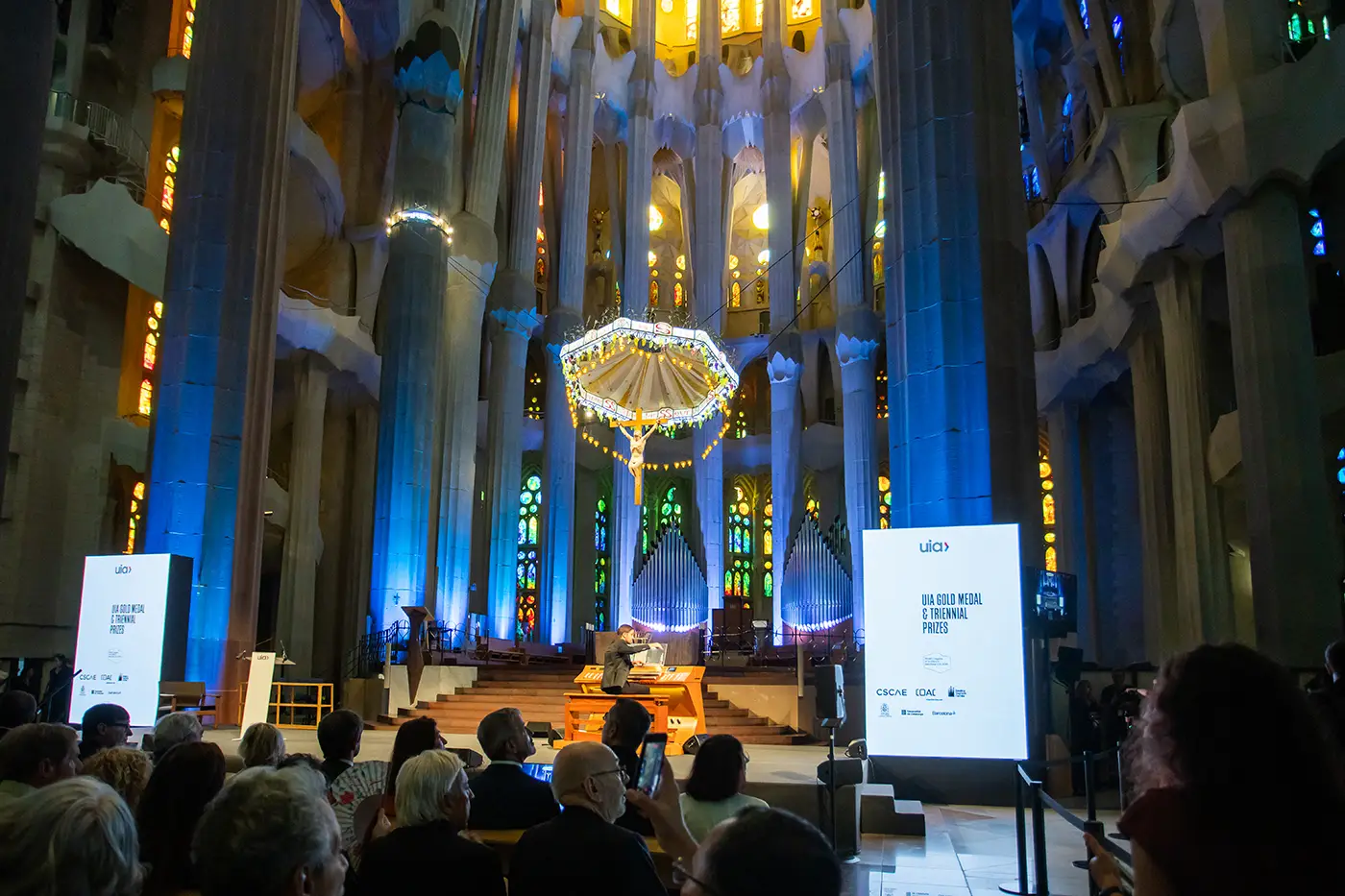
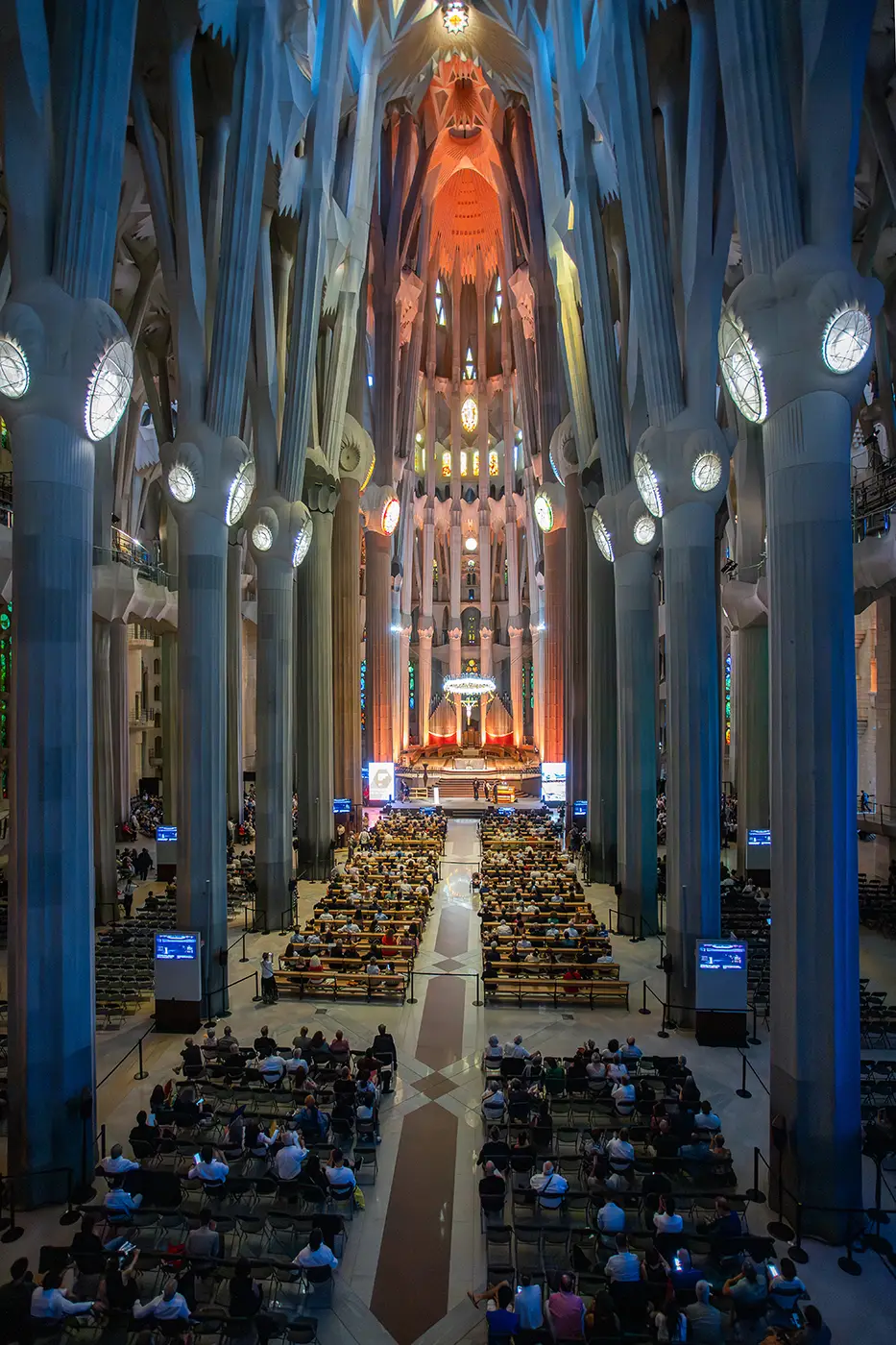
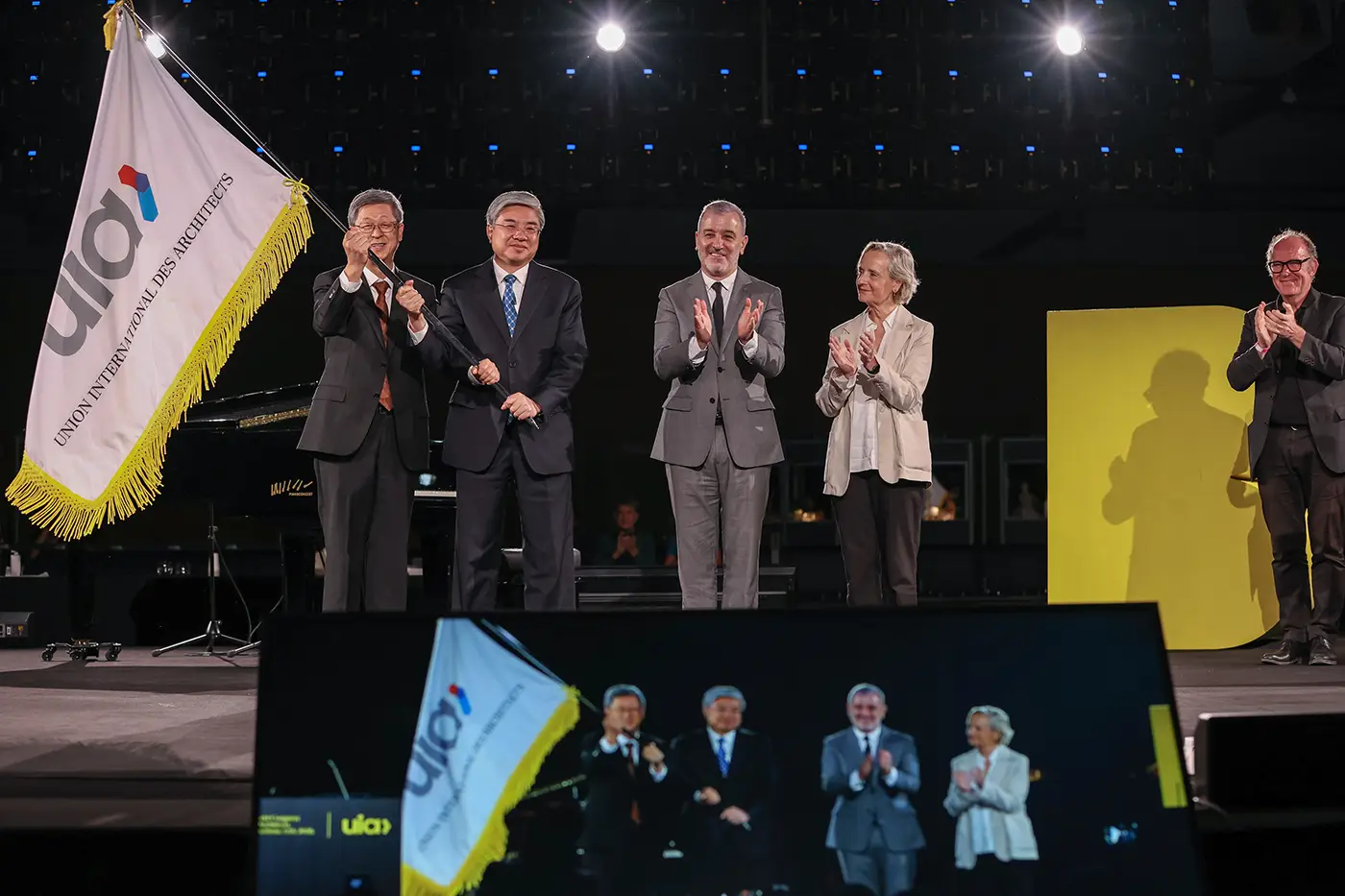
The UIA World Congress of Architects 2026 Barcelona unfolded across a sequence of events, exhibitions, and public gatherings distributed throughout the city.
The programme began with the International Emerging Workshop (18–27 June), bringing together 180 students in the lead-up to the Congress. This initial phase already activated the Congress’ main venue — the Three Chimneys — which opened to the public ahead of the official Congress dates.
Photos by © Anna Mas.
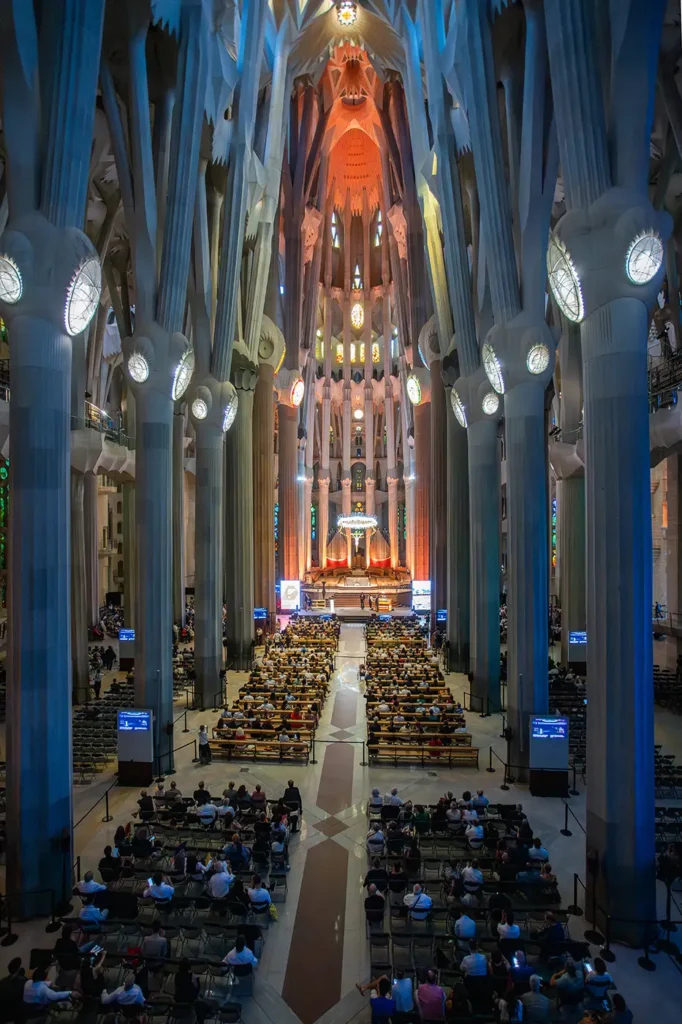
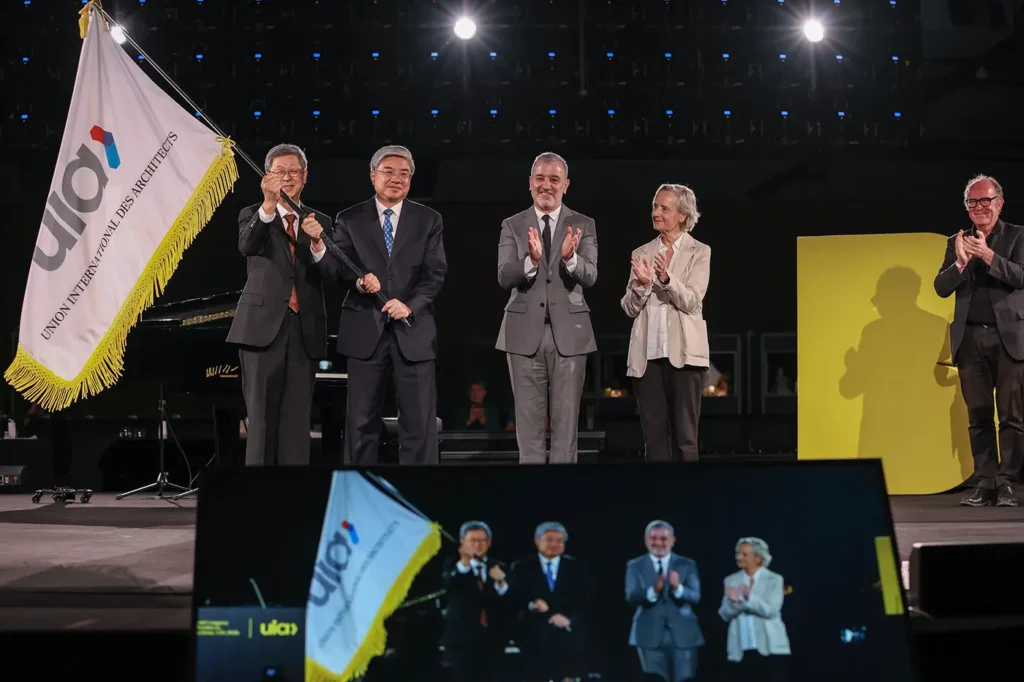
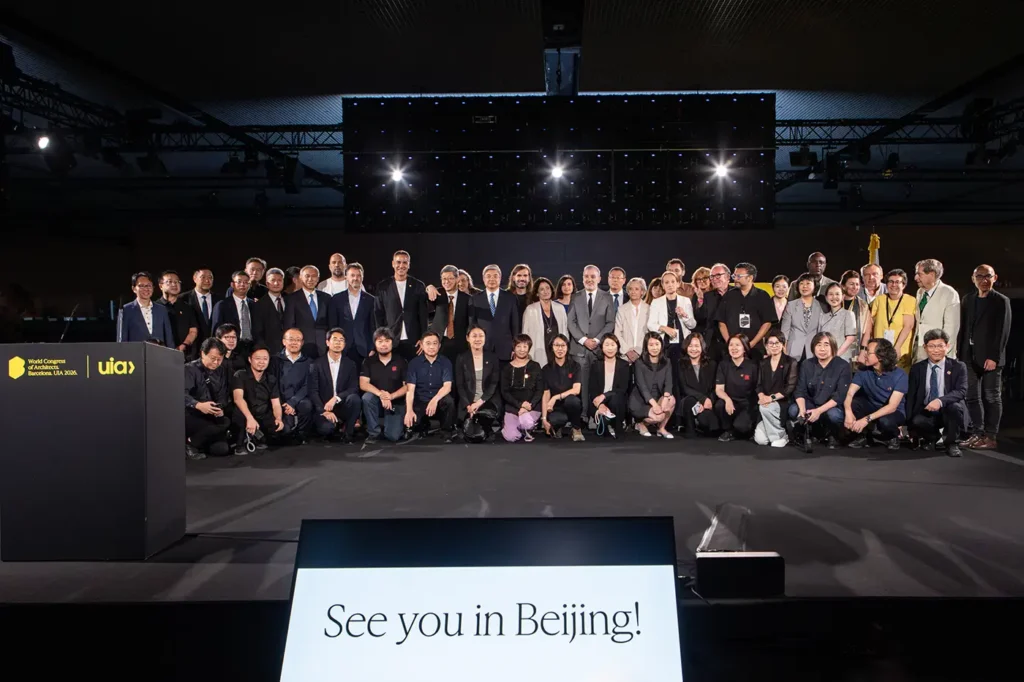
Exhibition
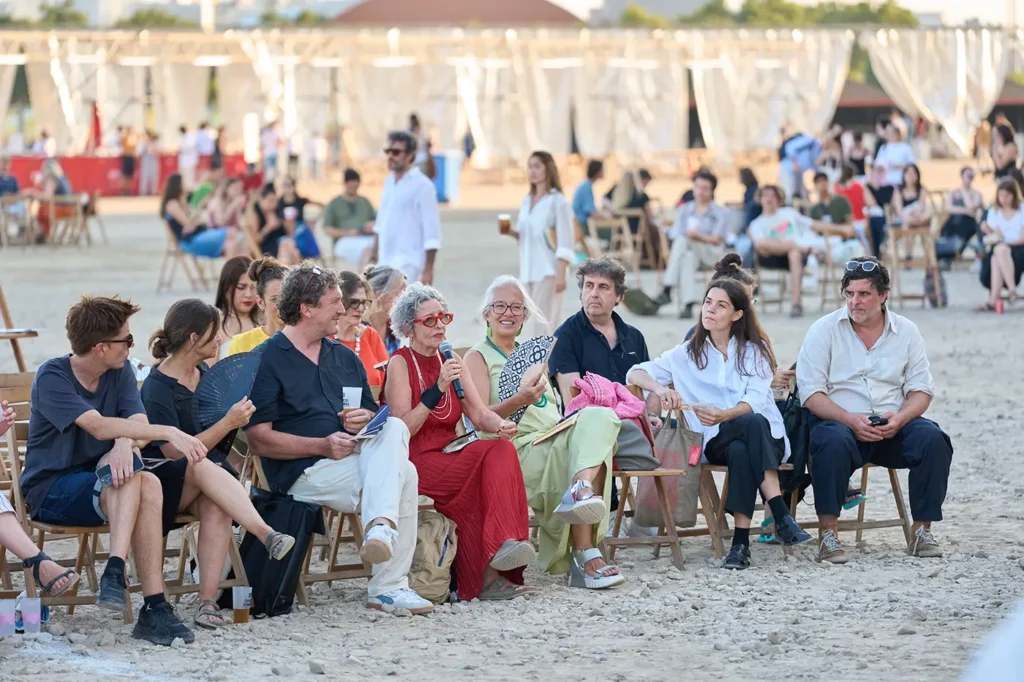
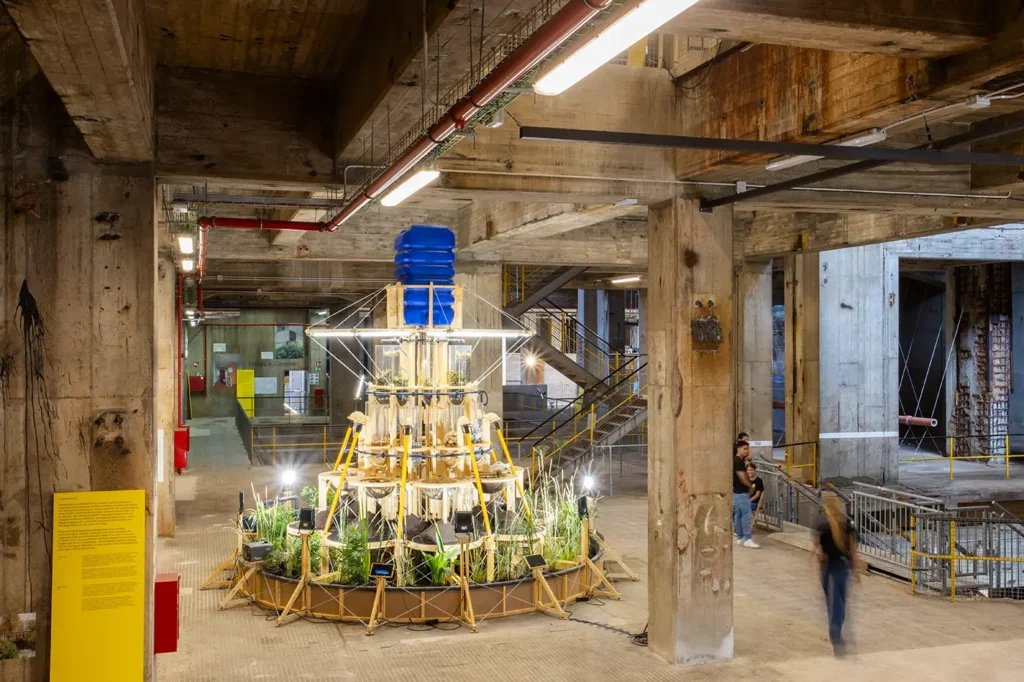
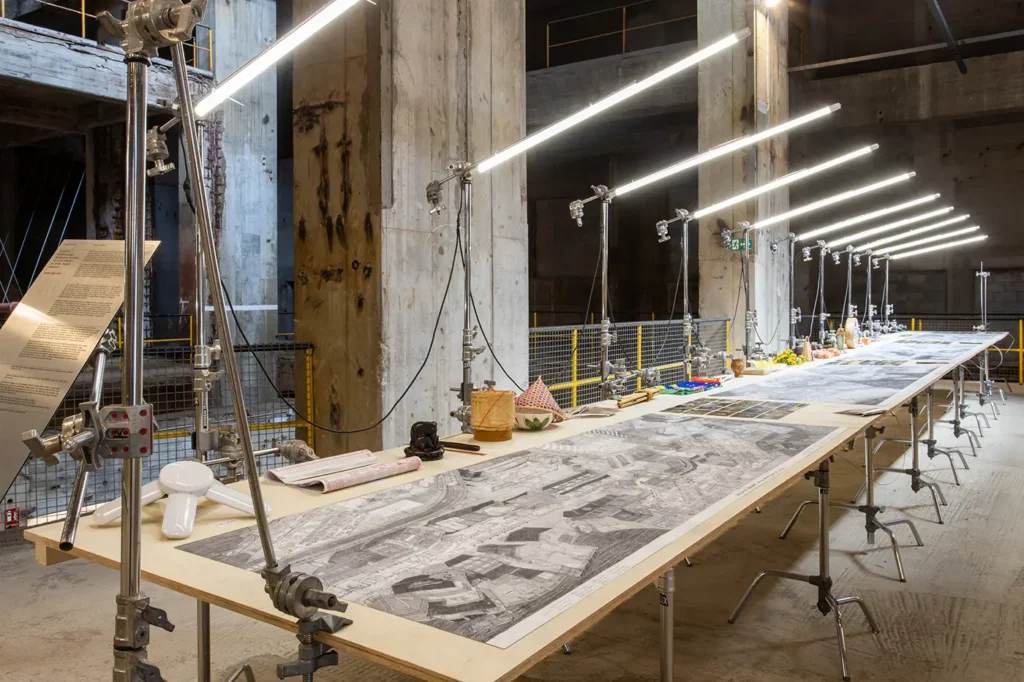
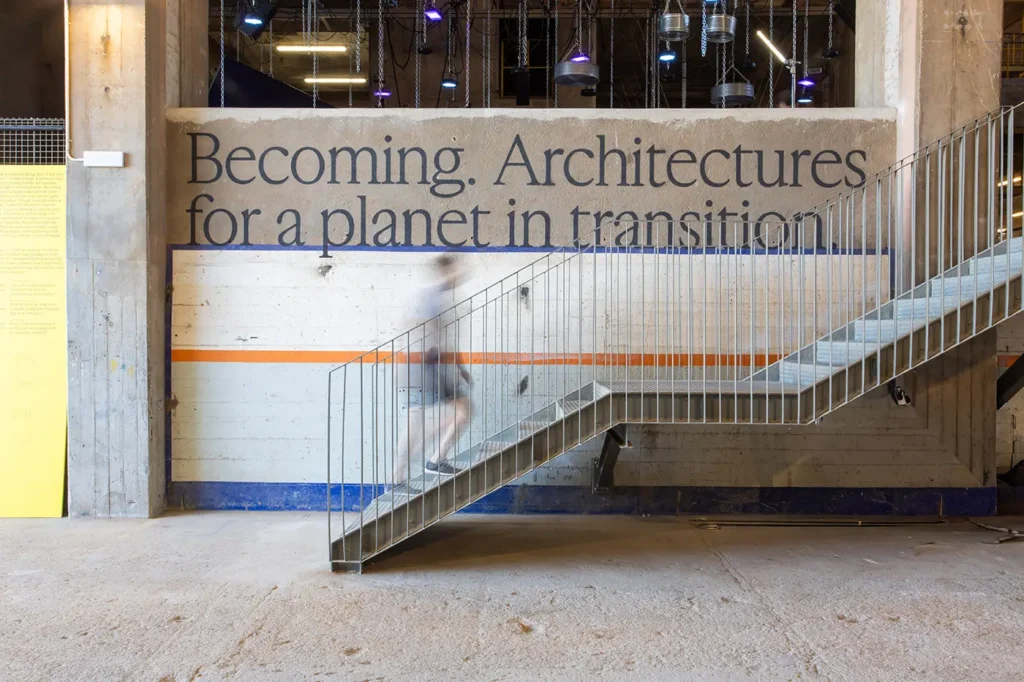
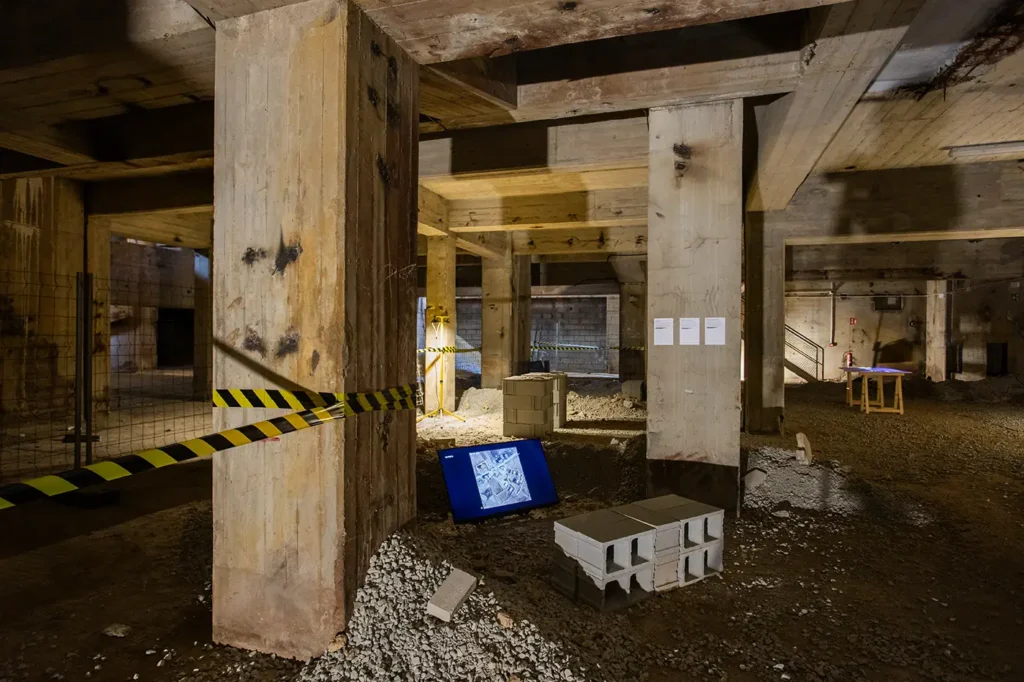
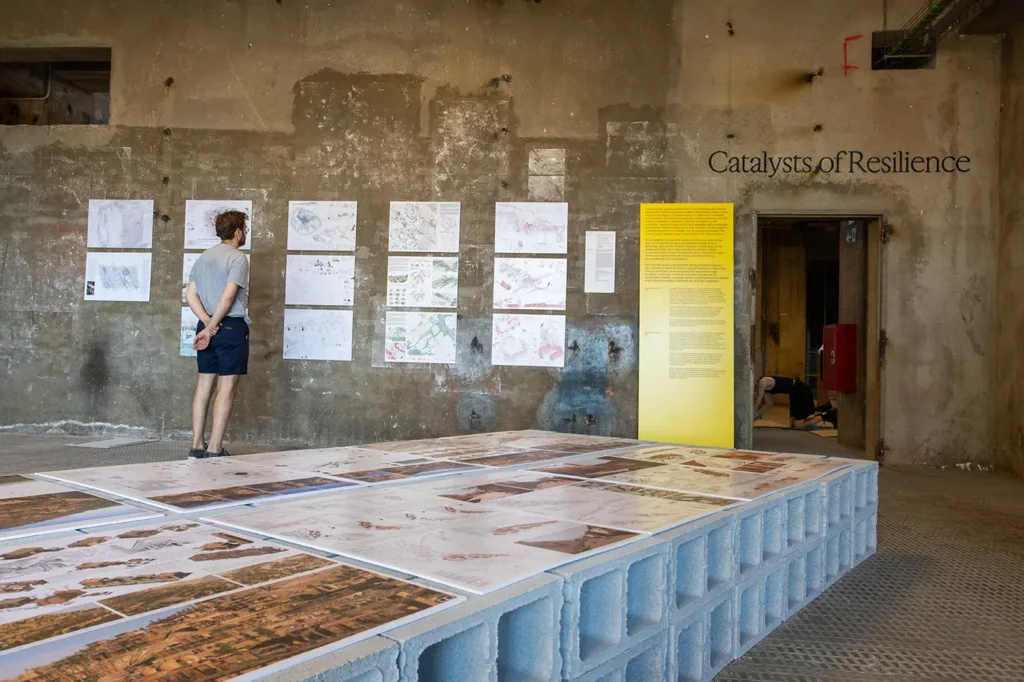
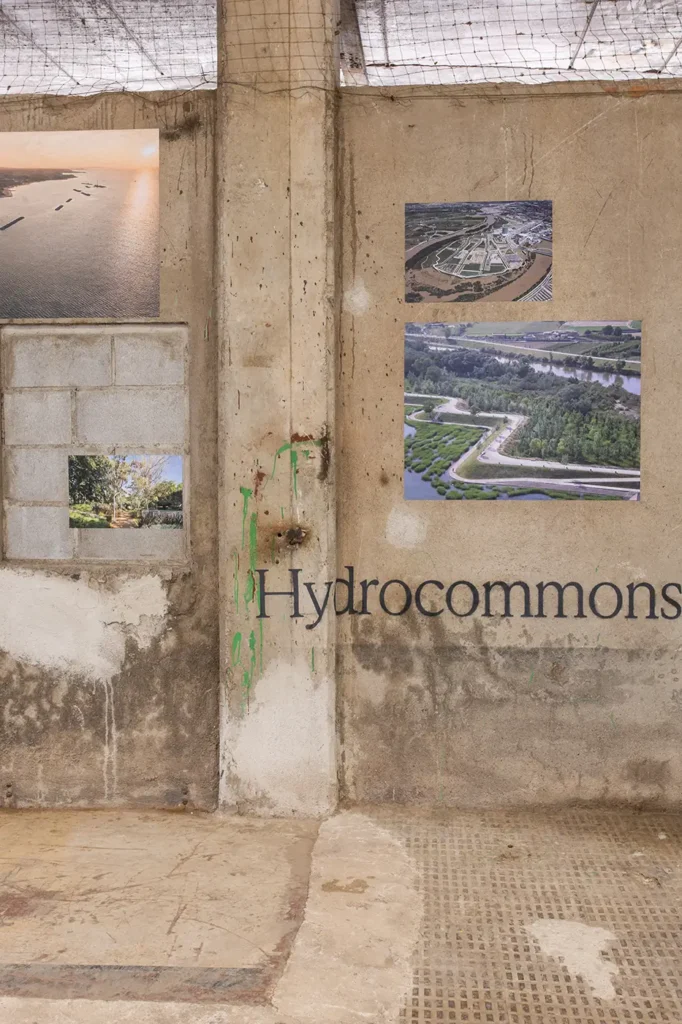
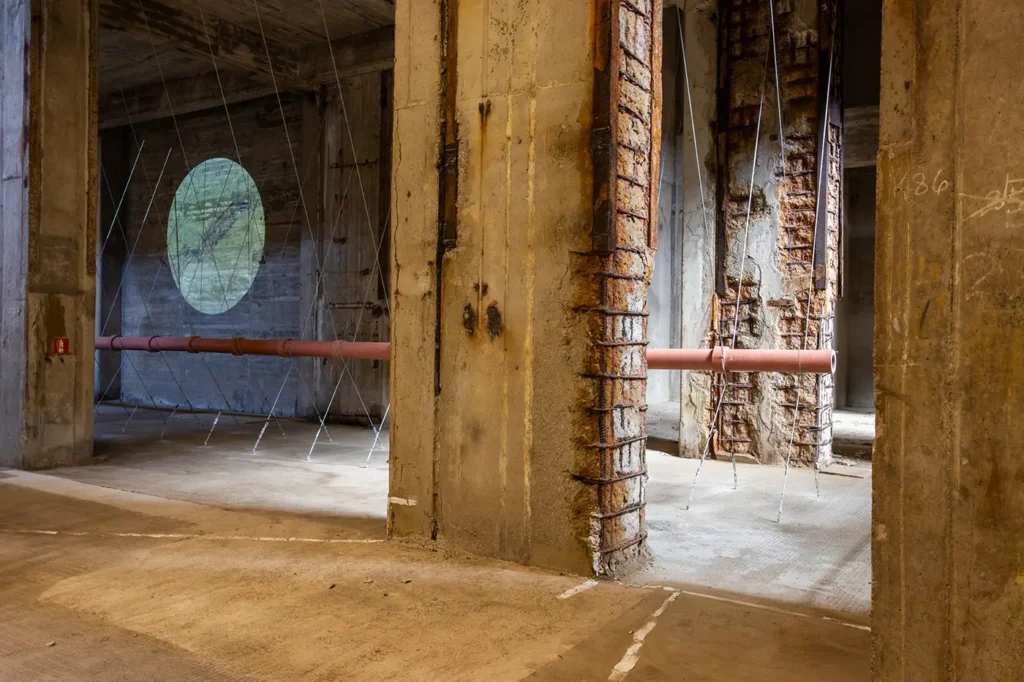
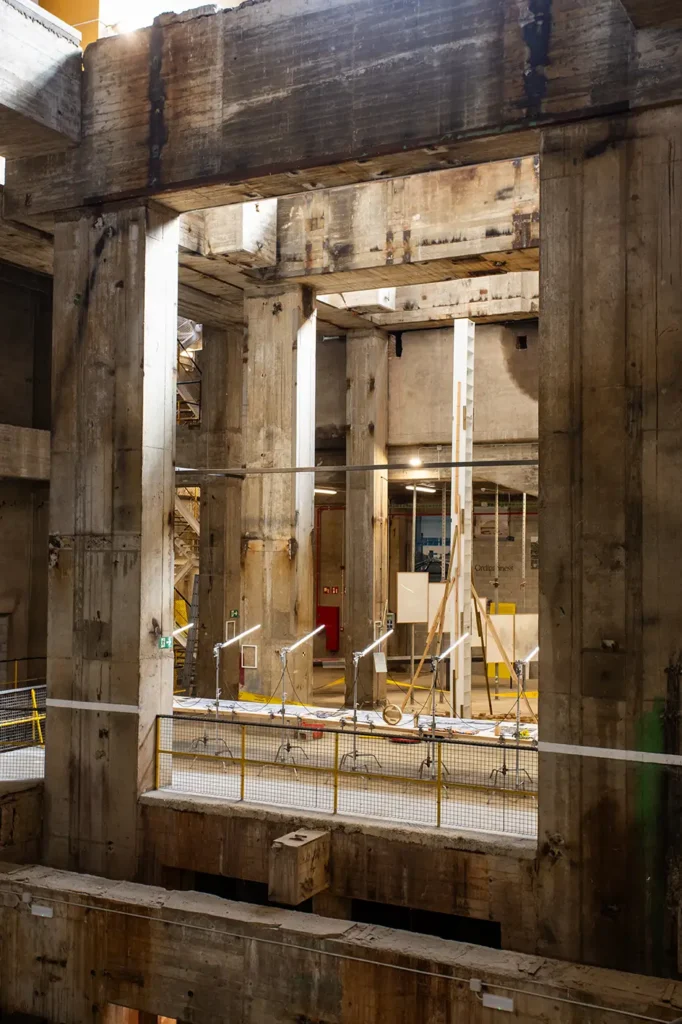
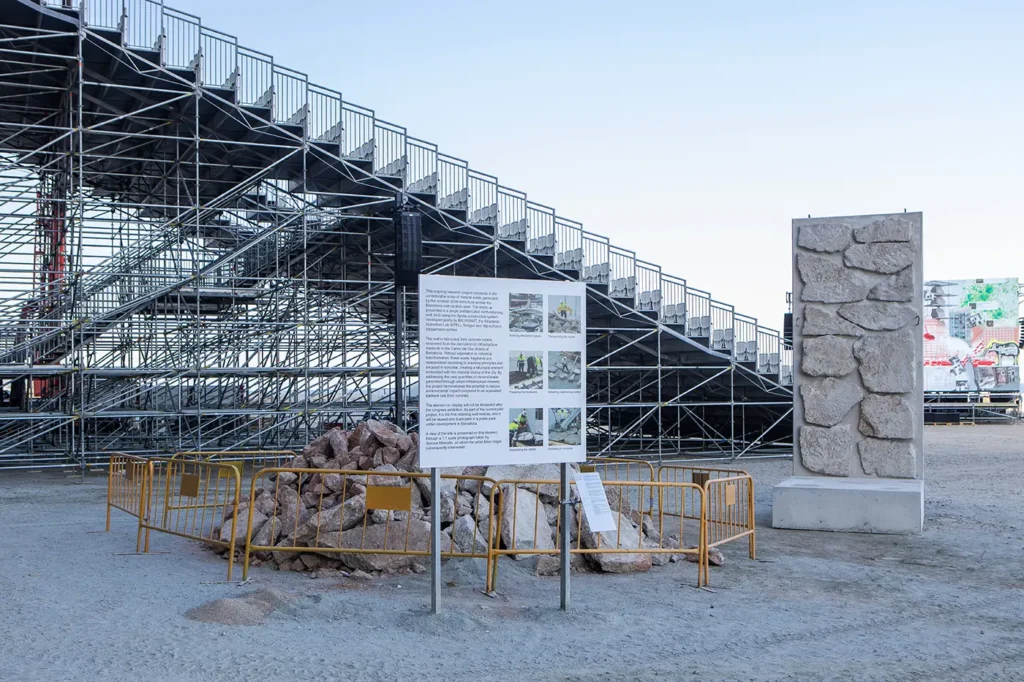
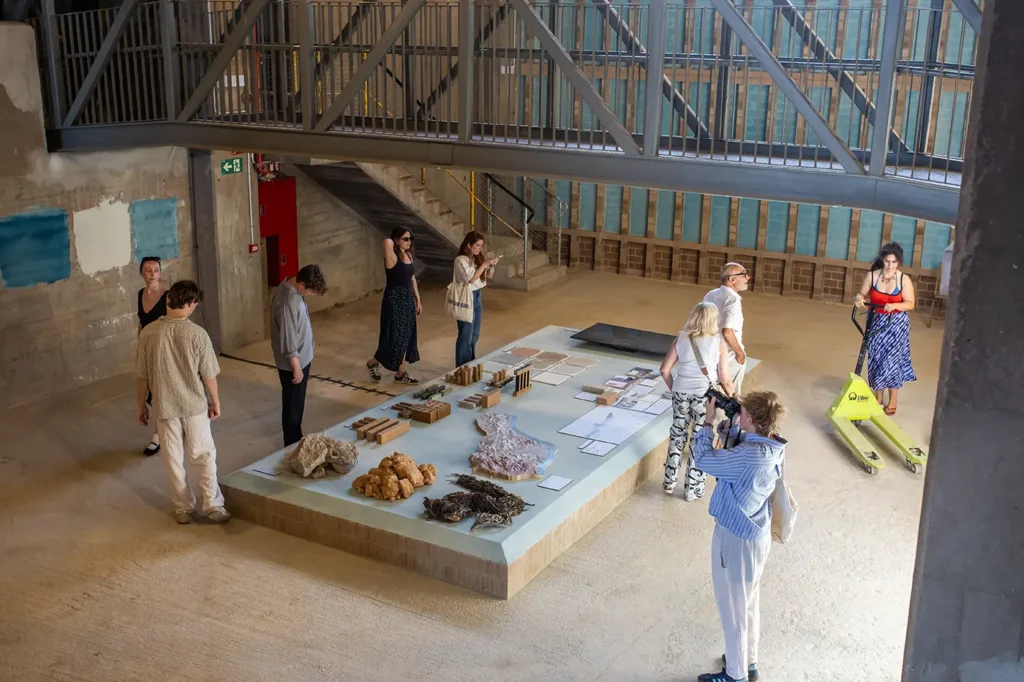
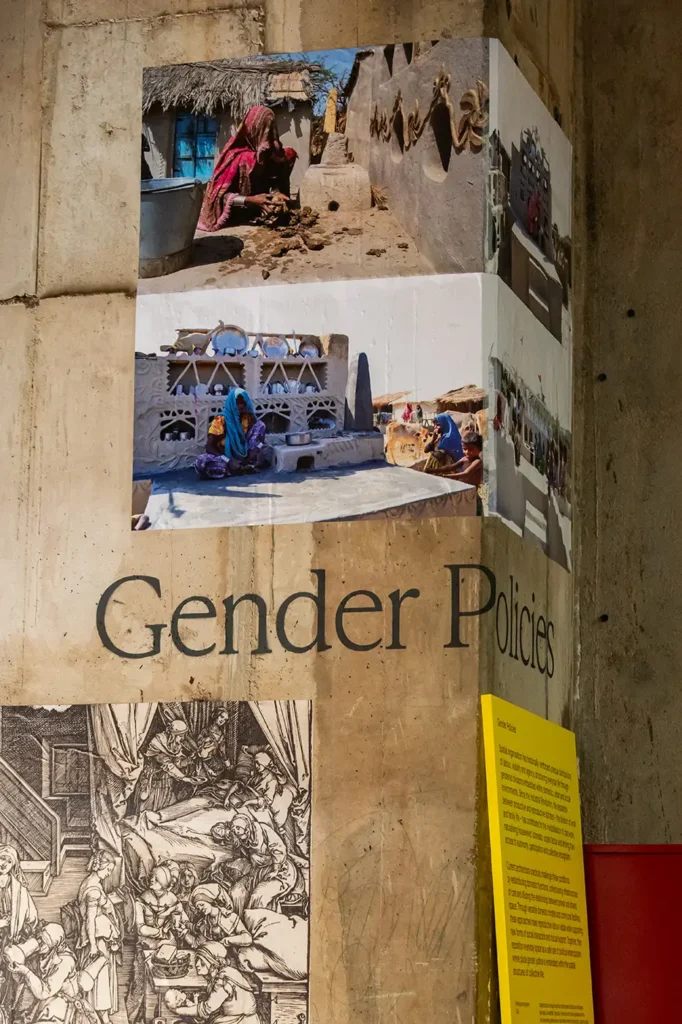
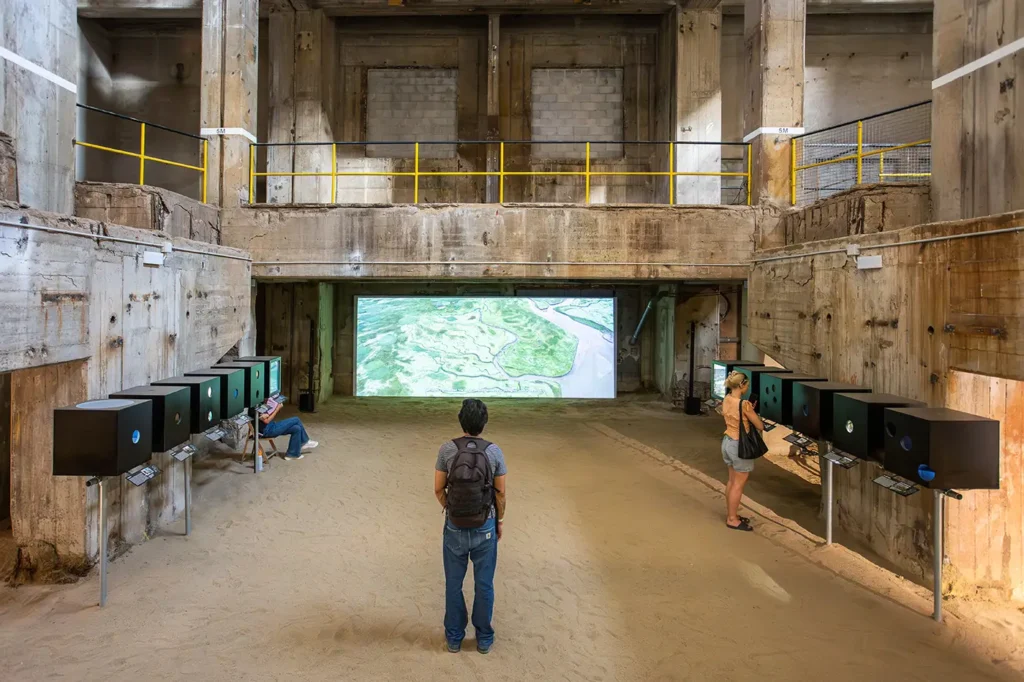
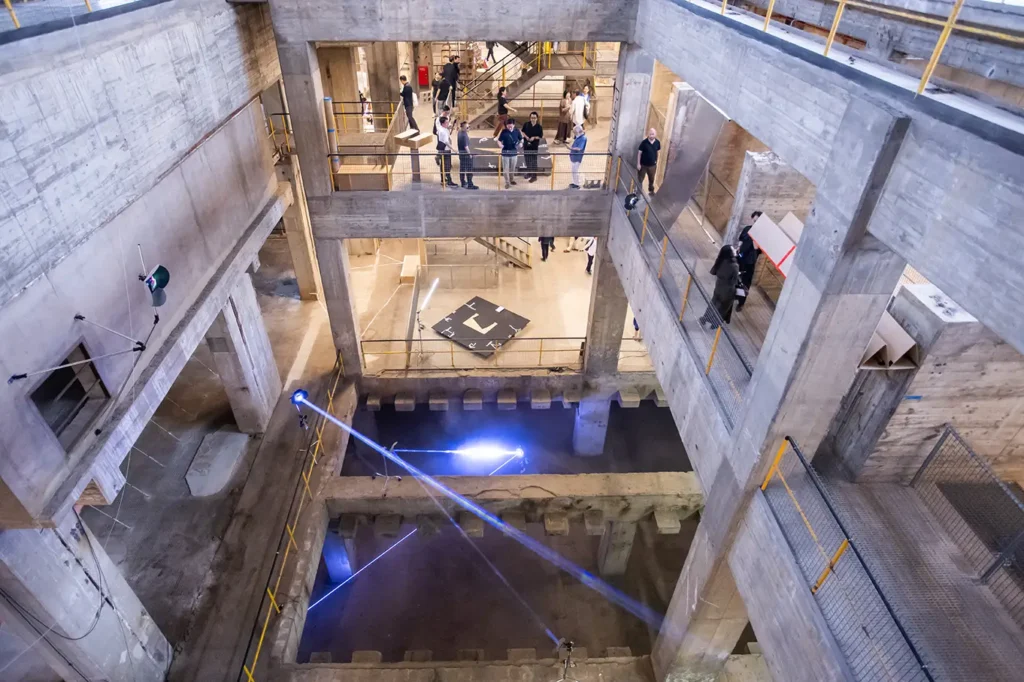
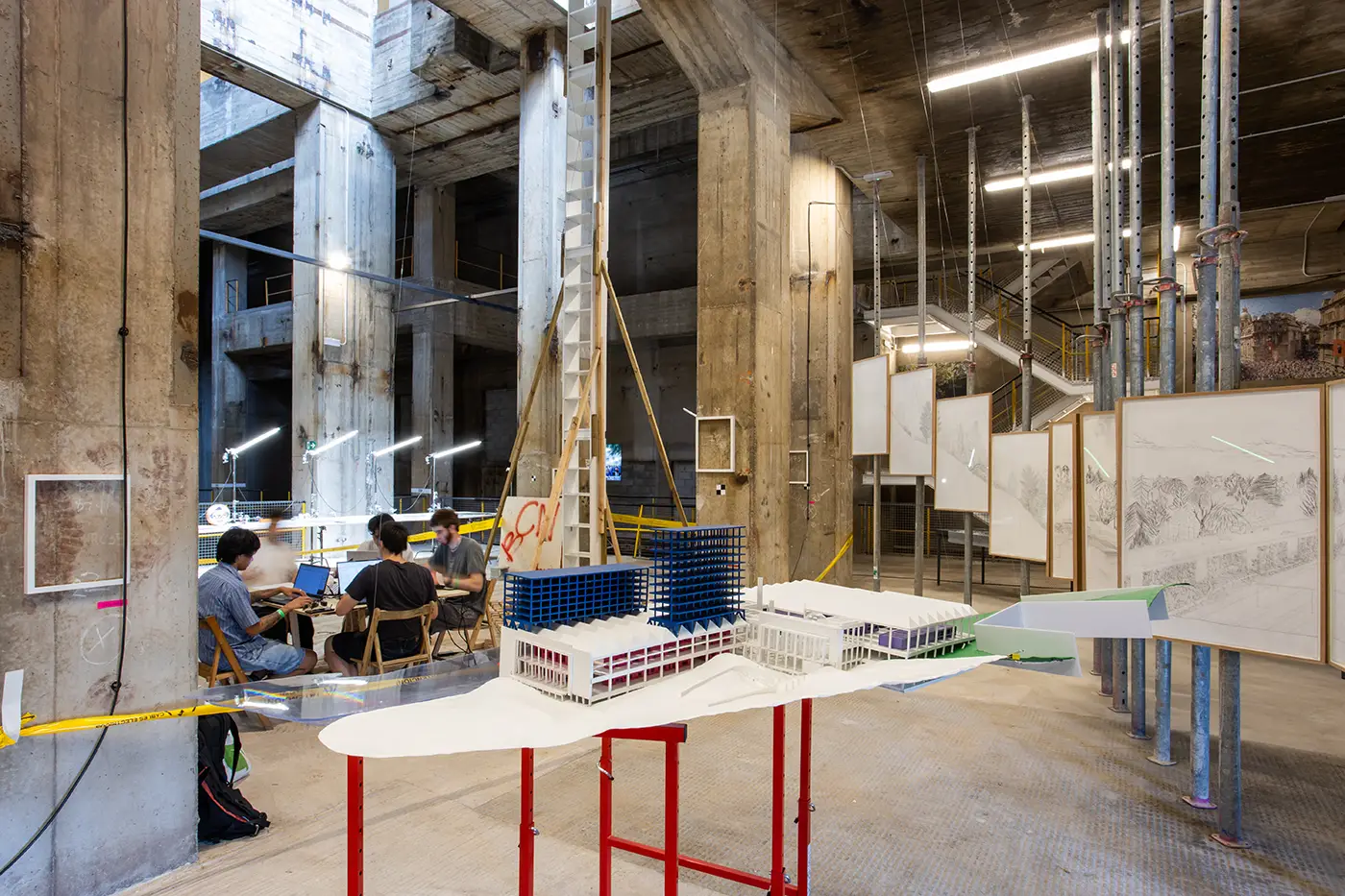
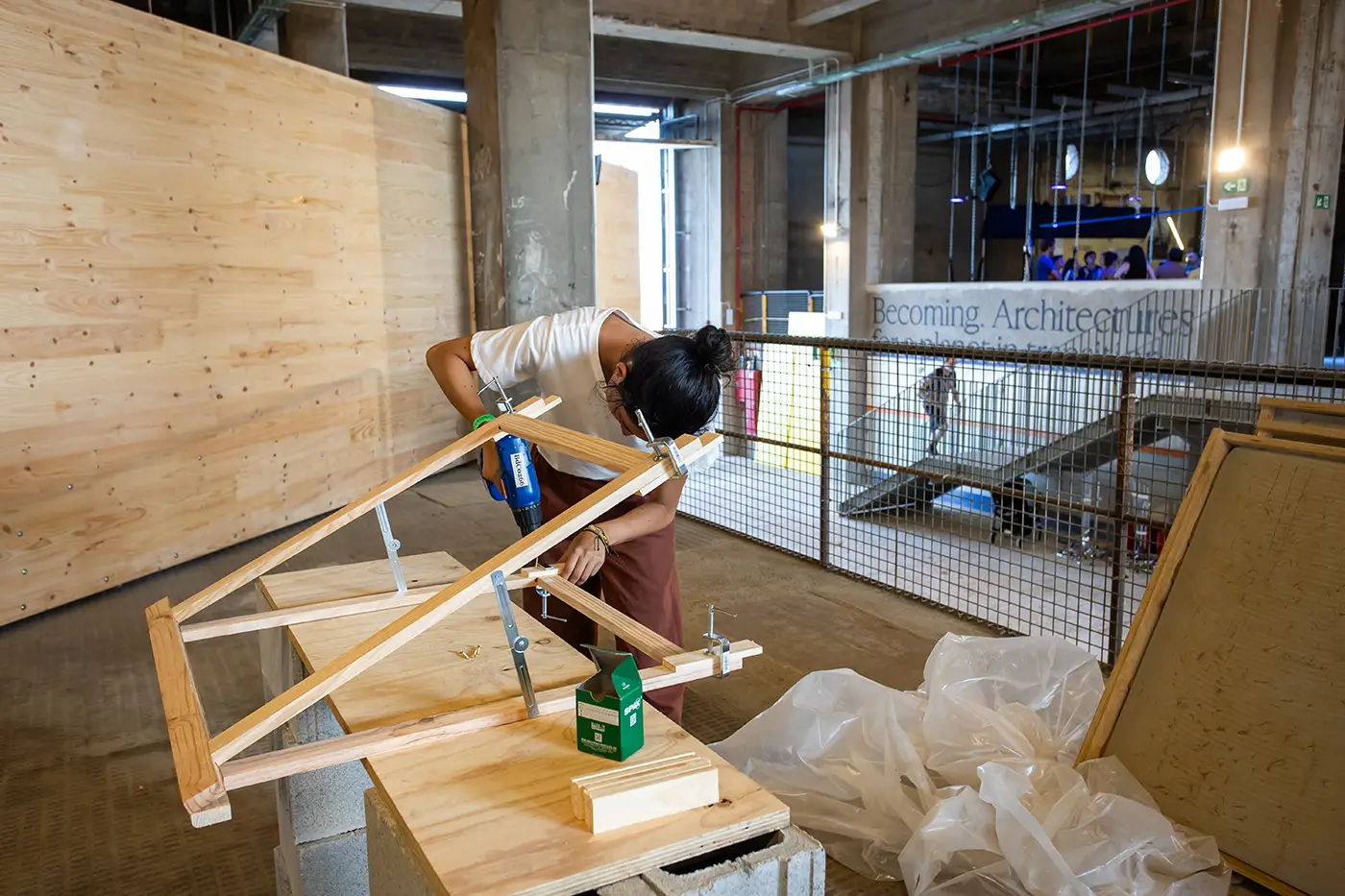
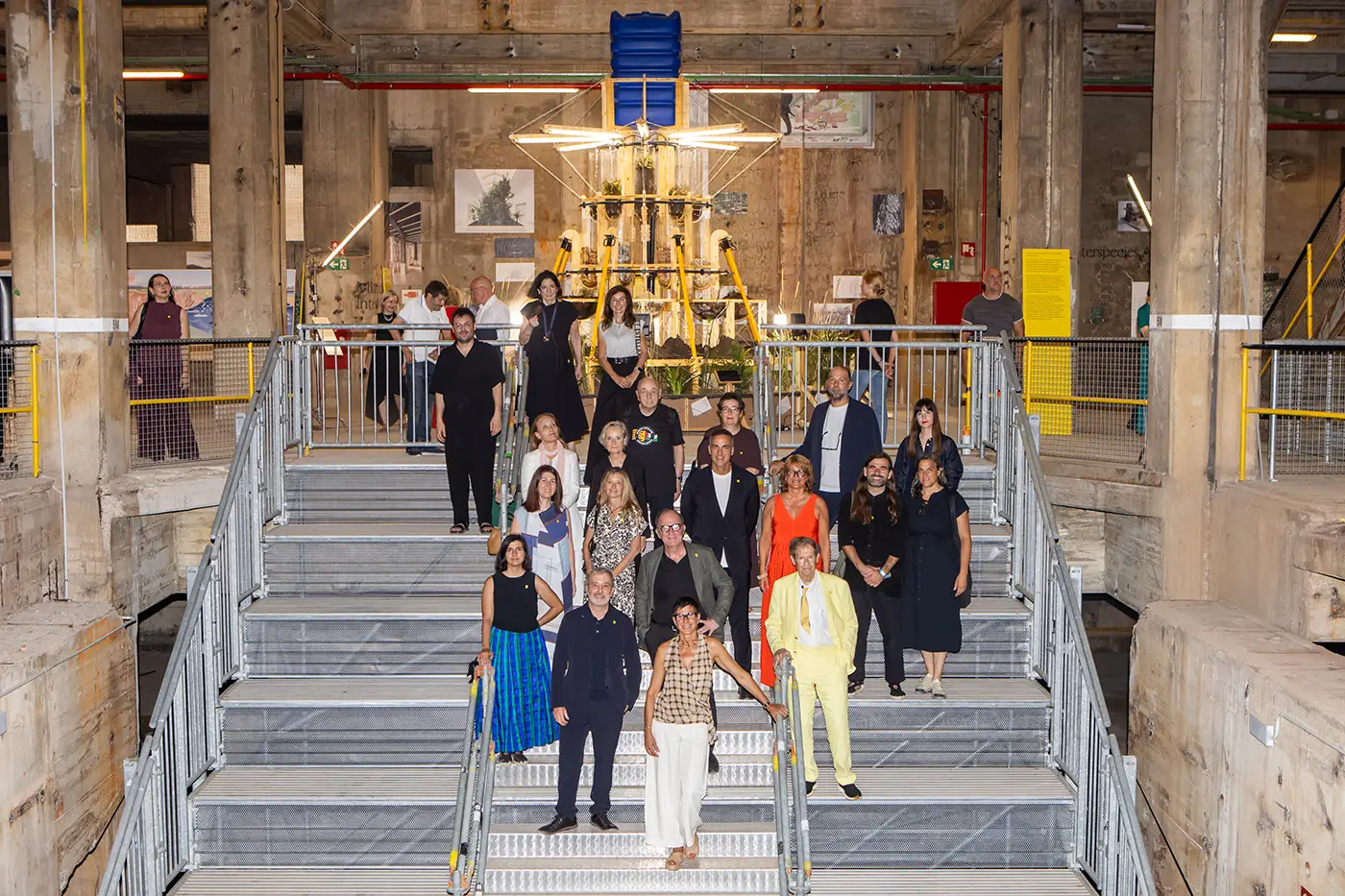
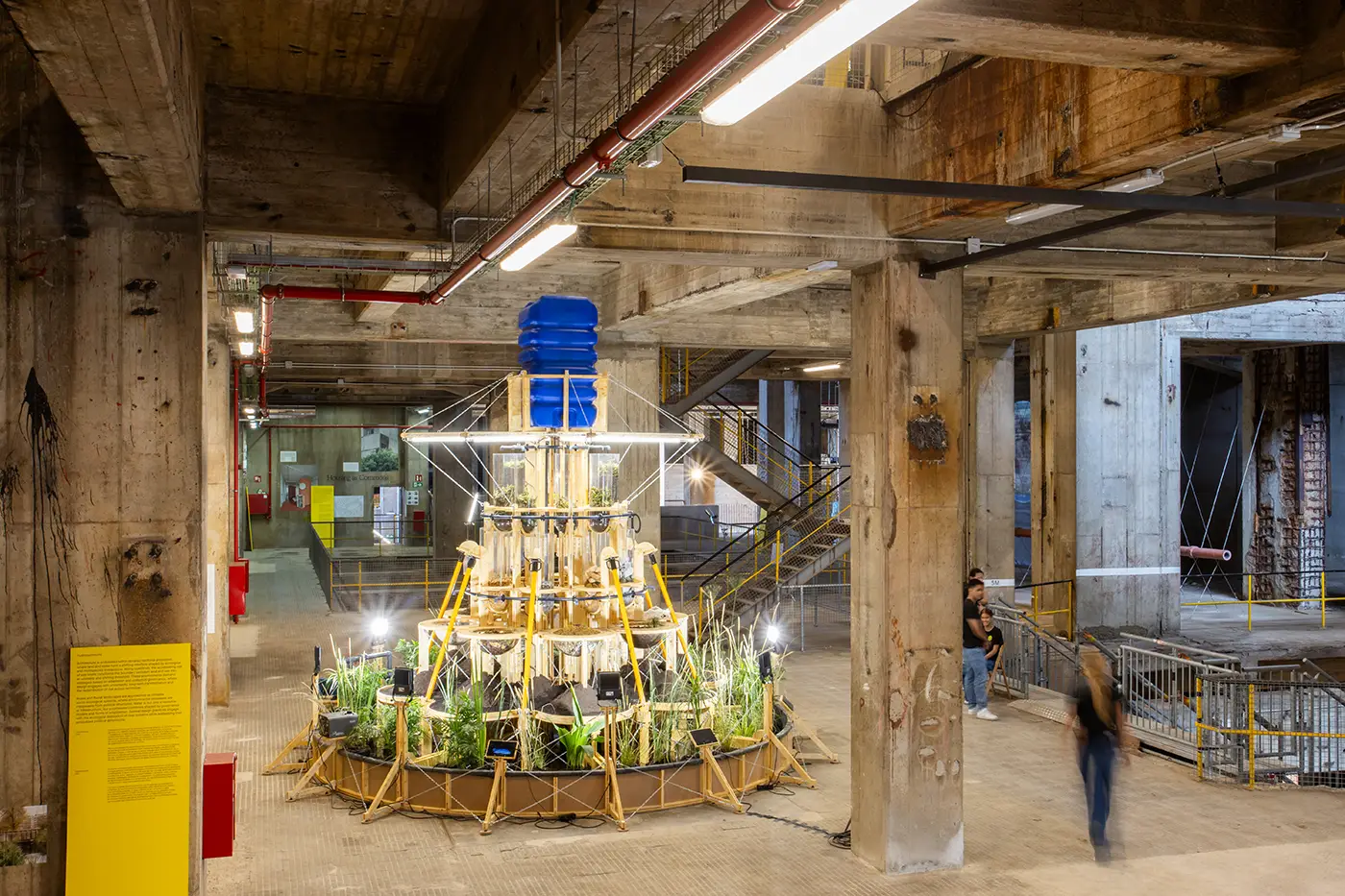
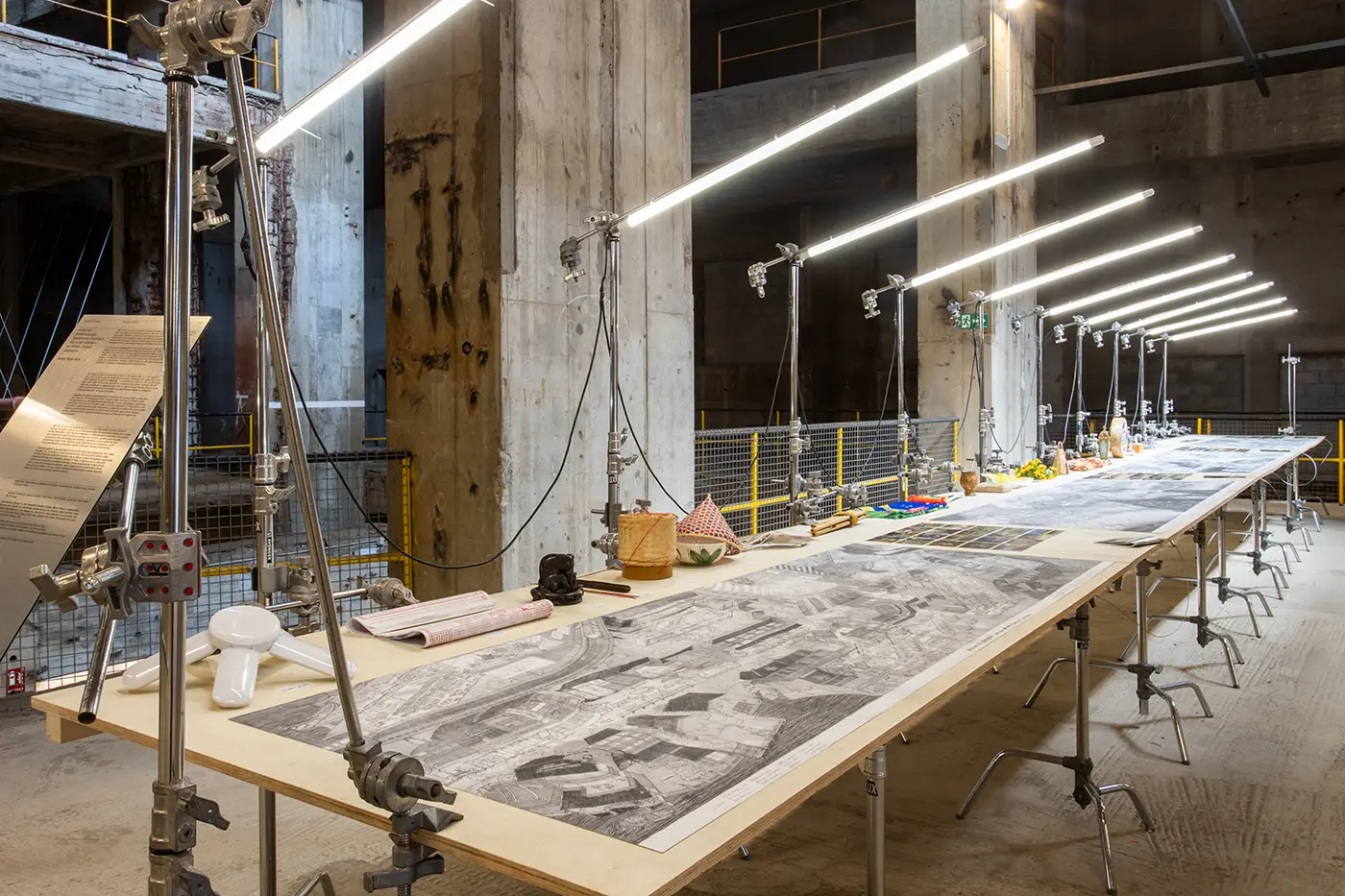
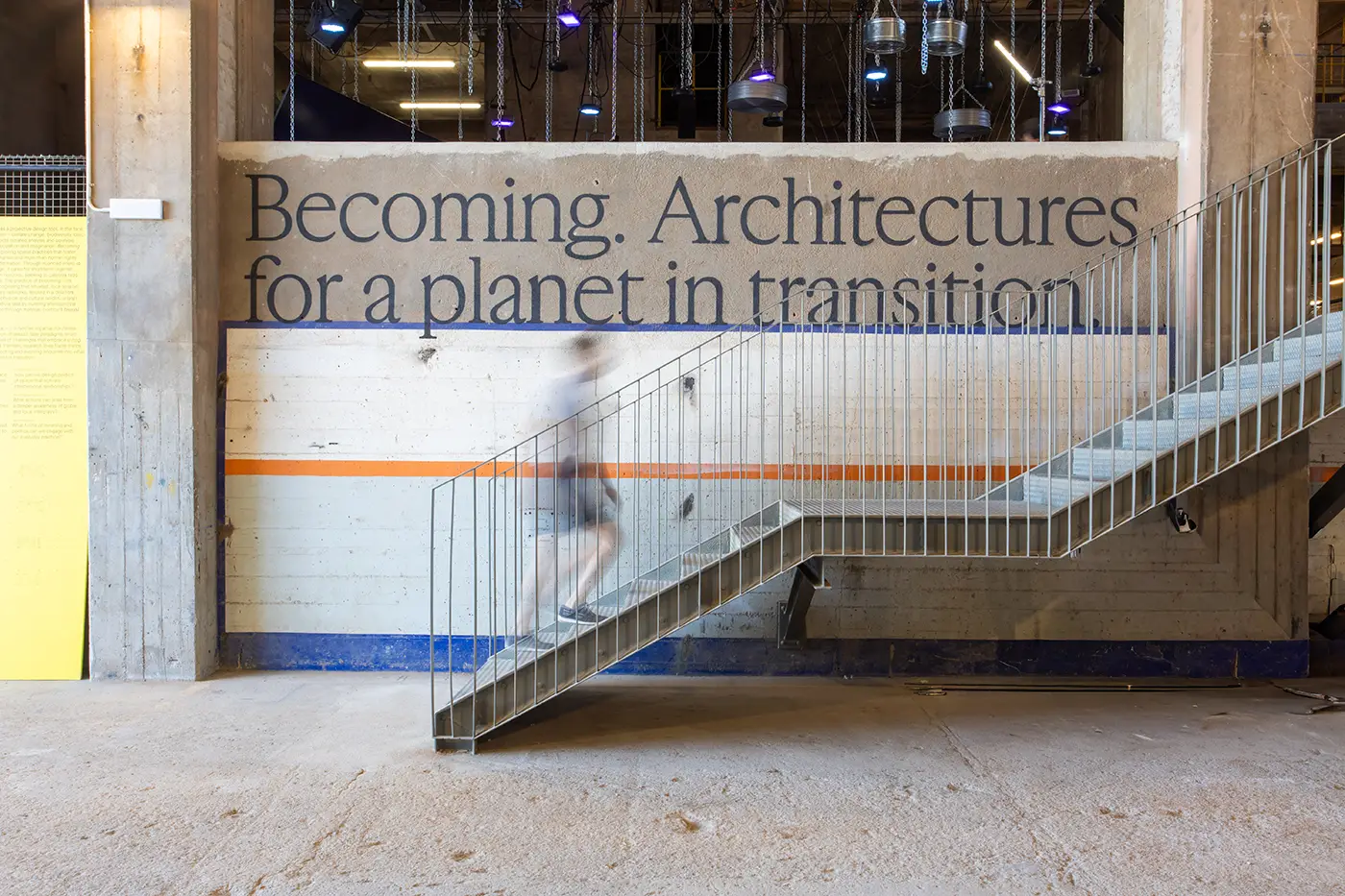
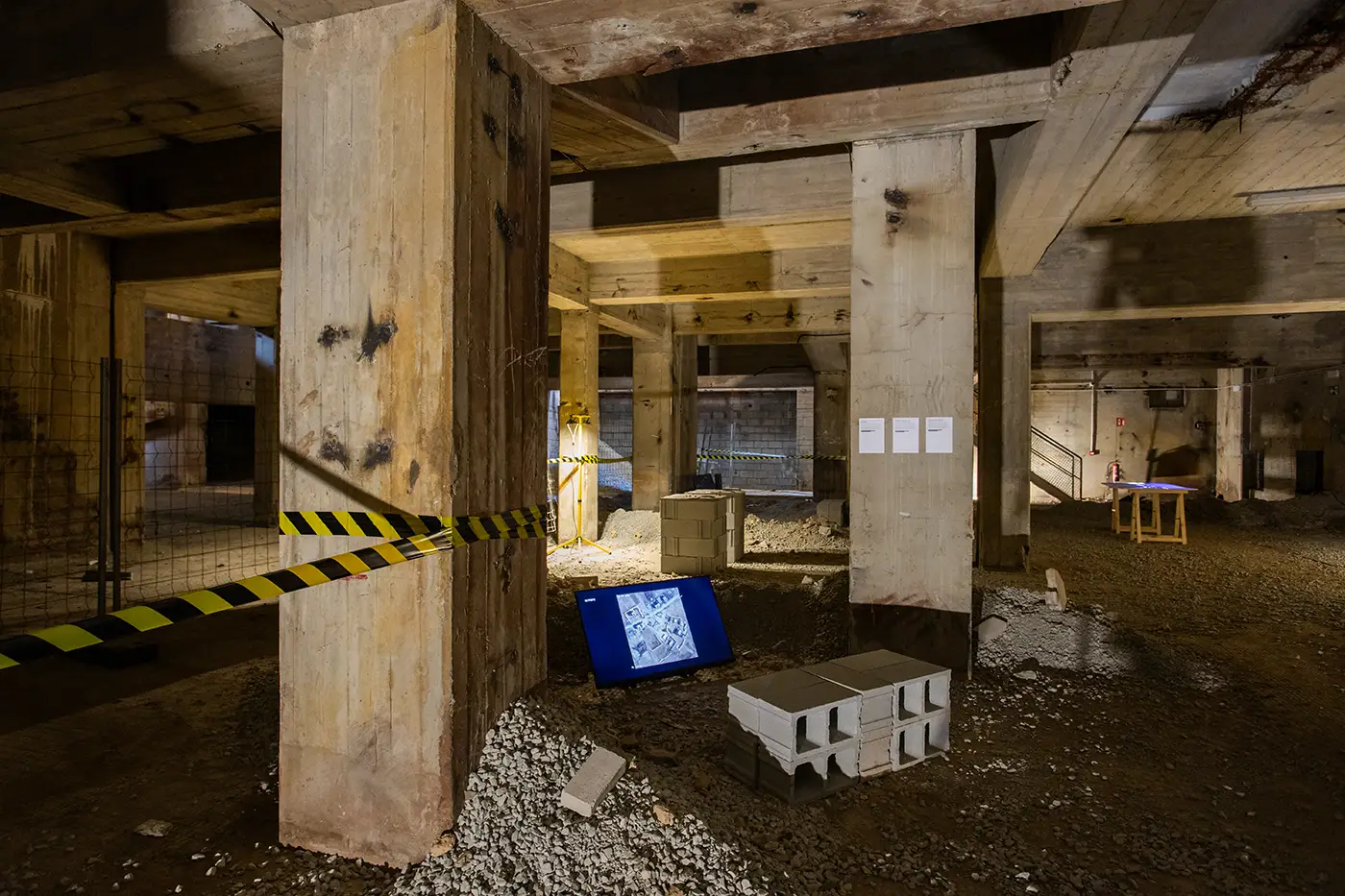
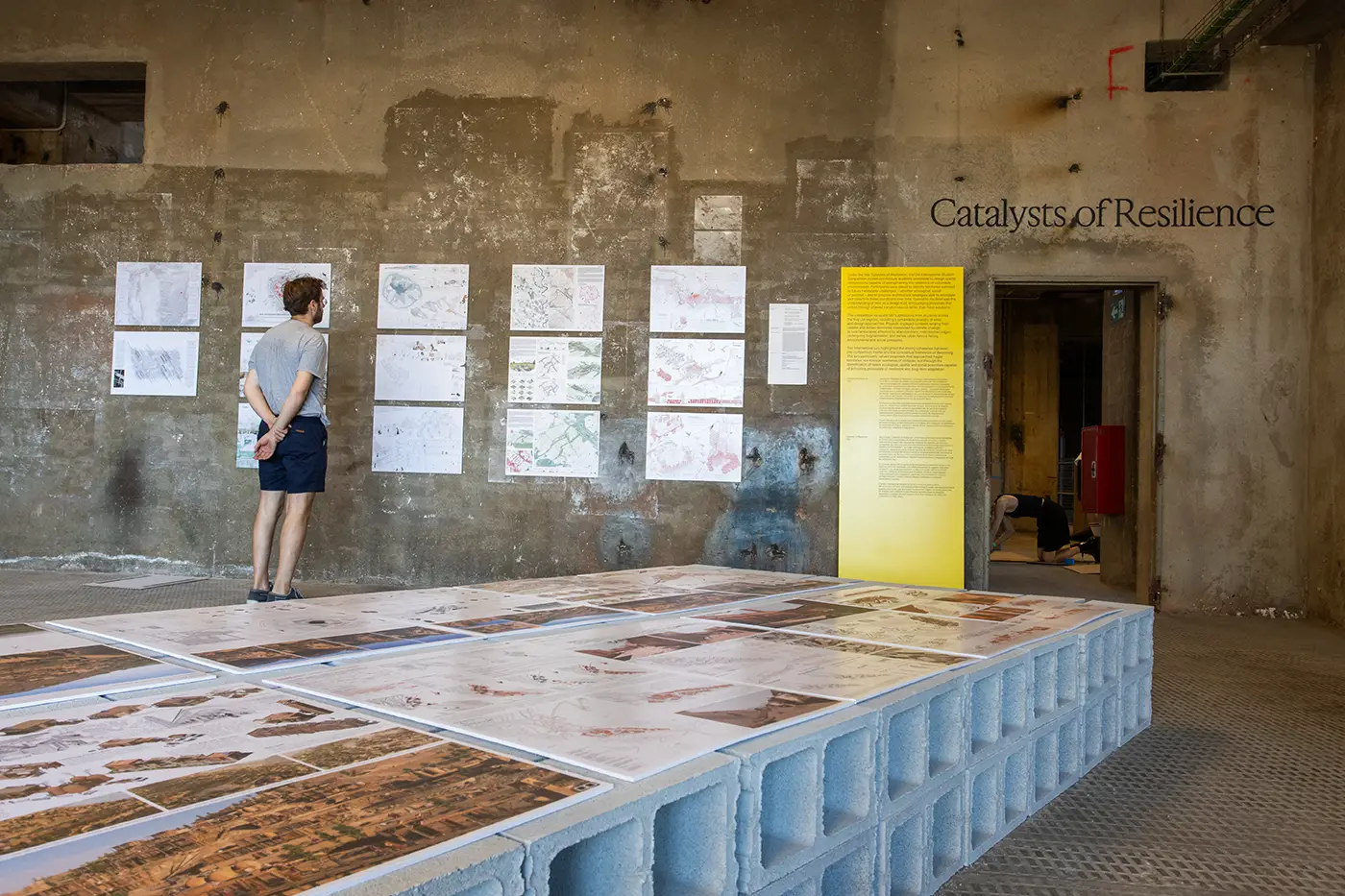
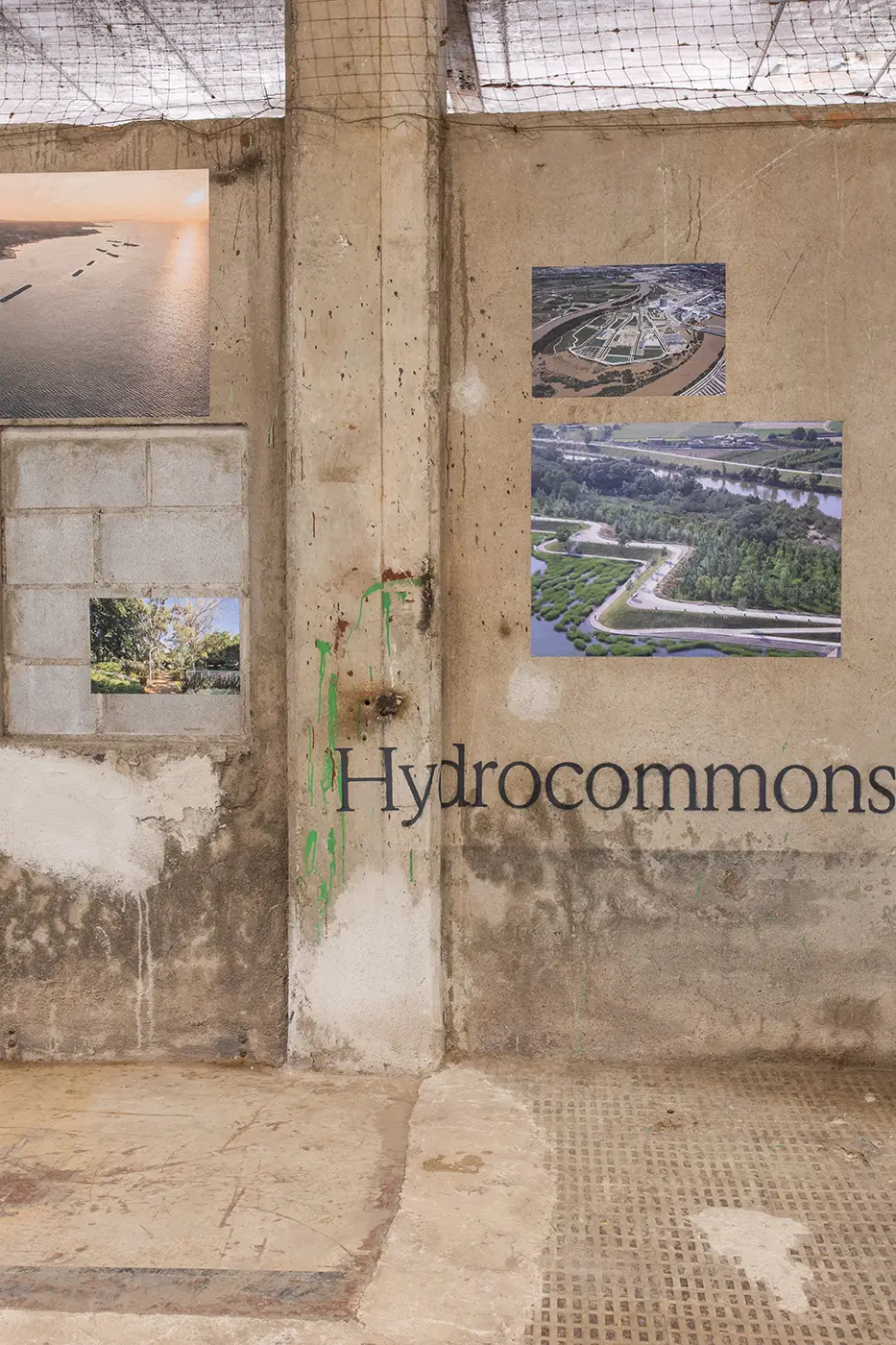
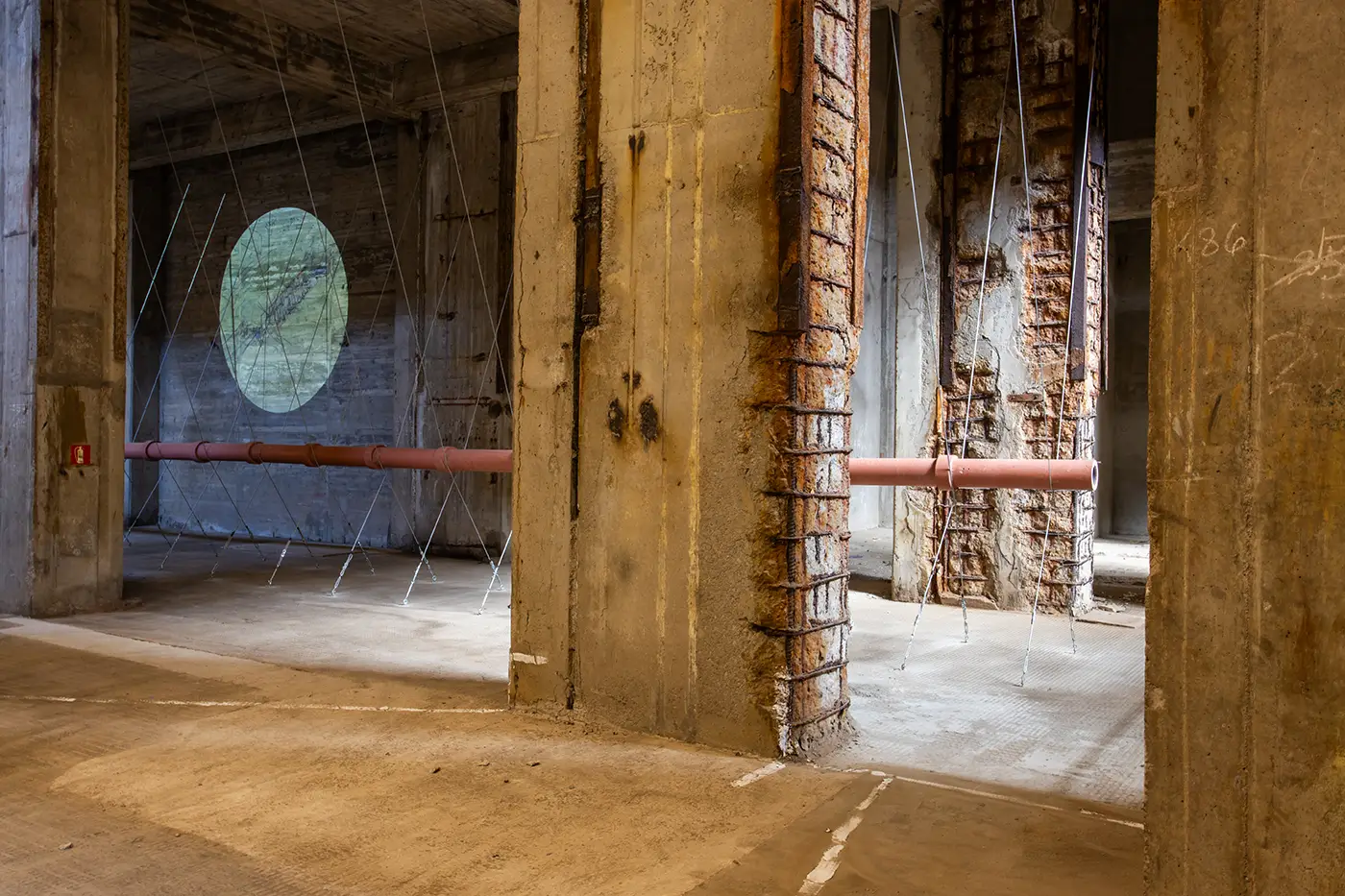
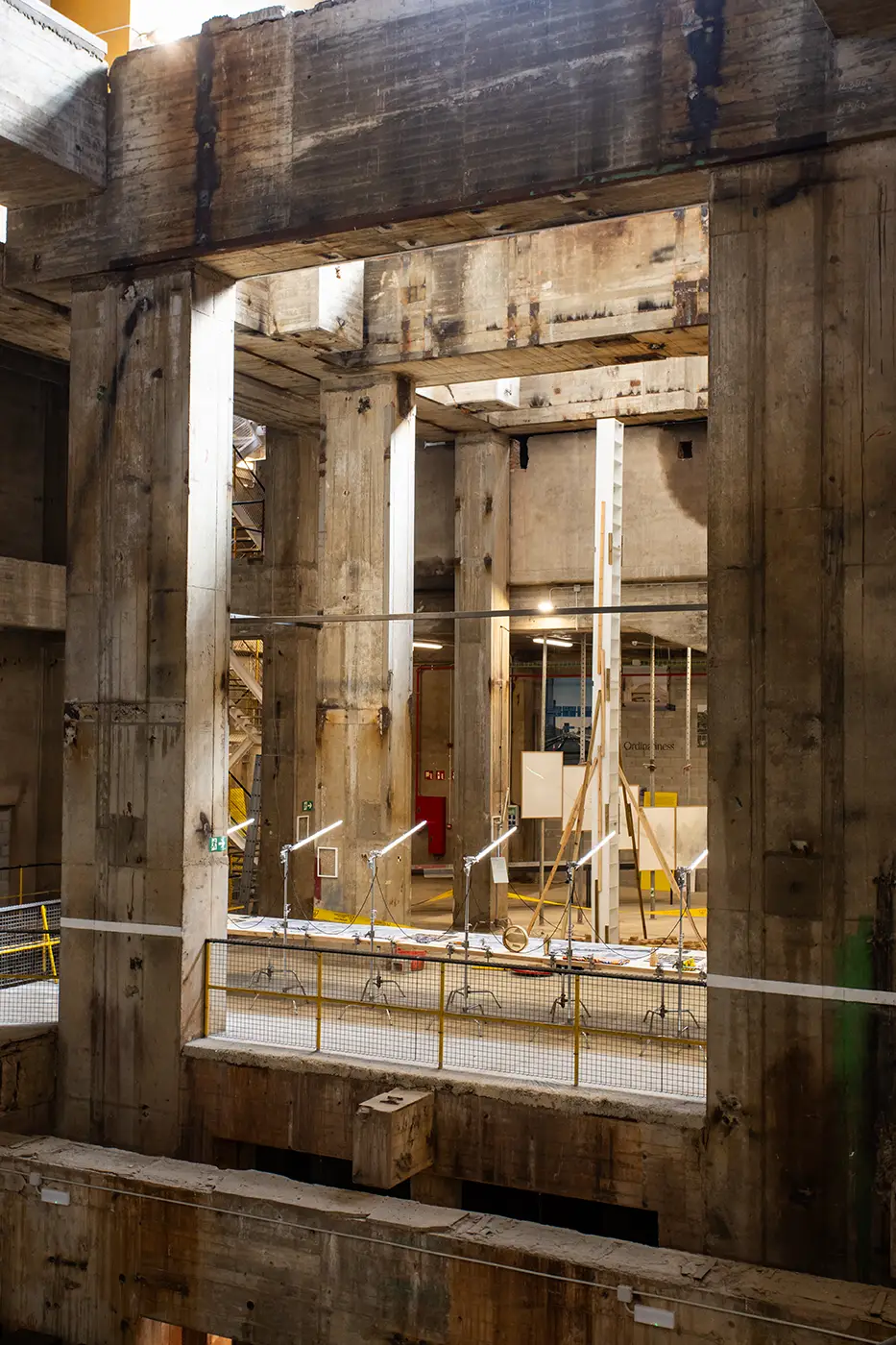
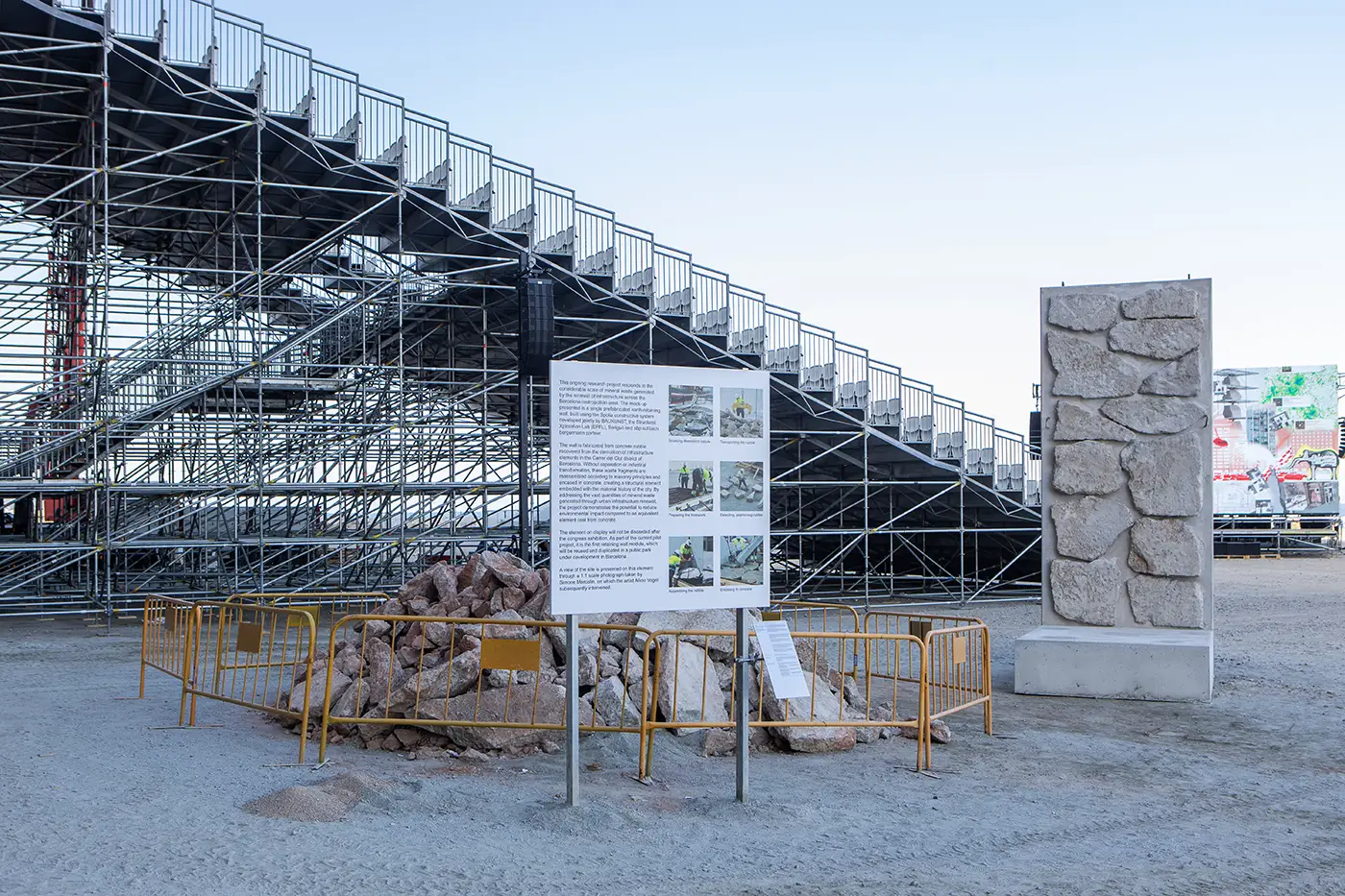
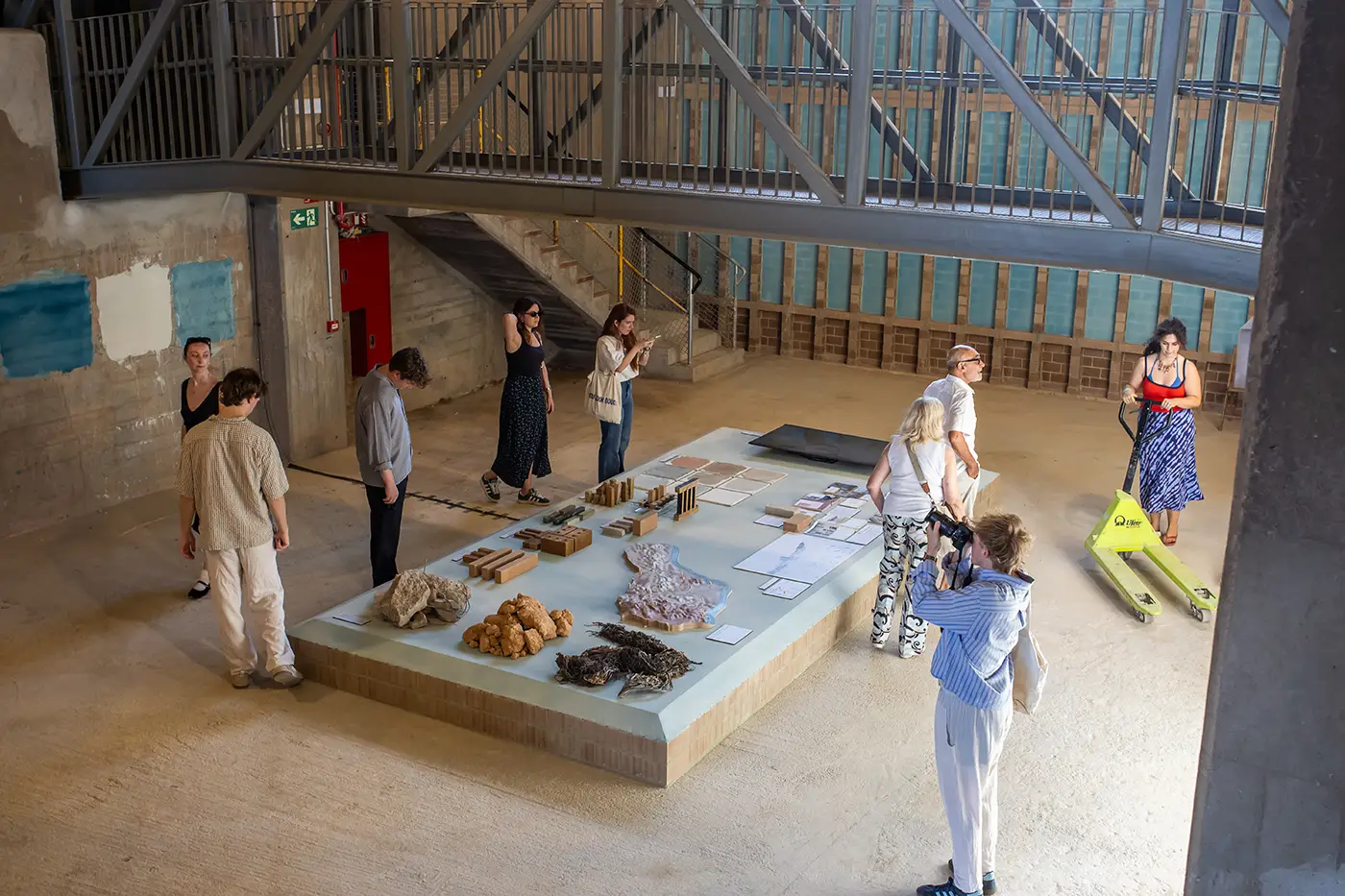
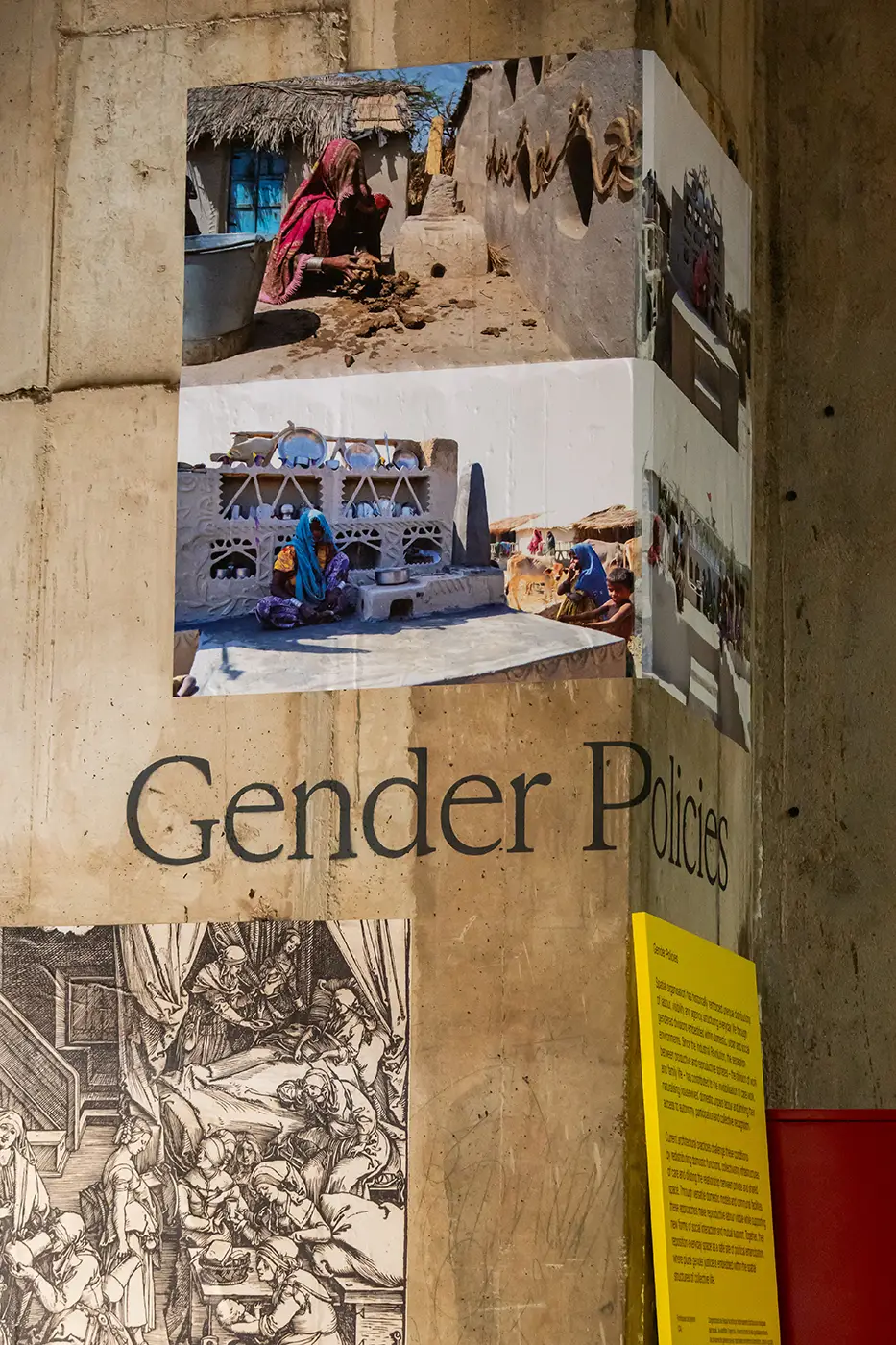
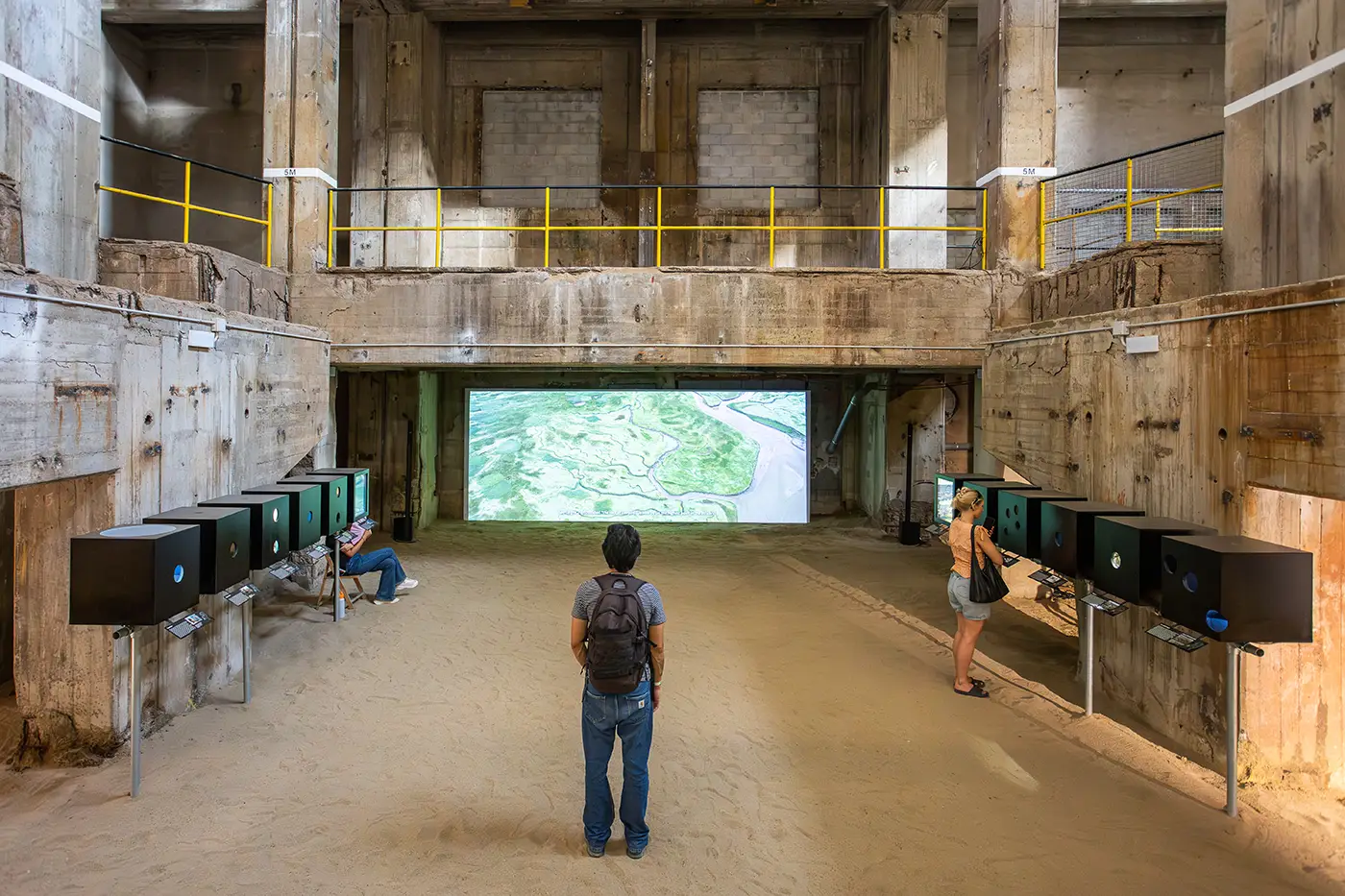
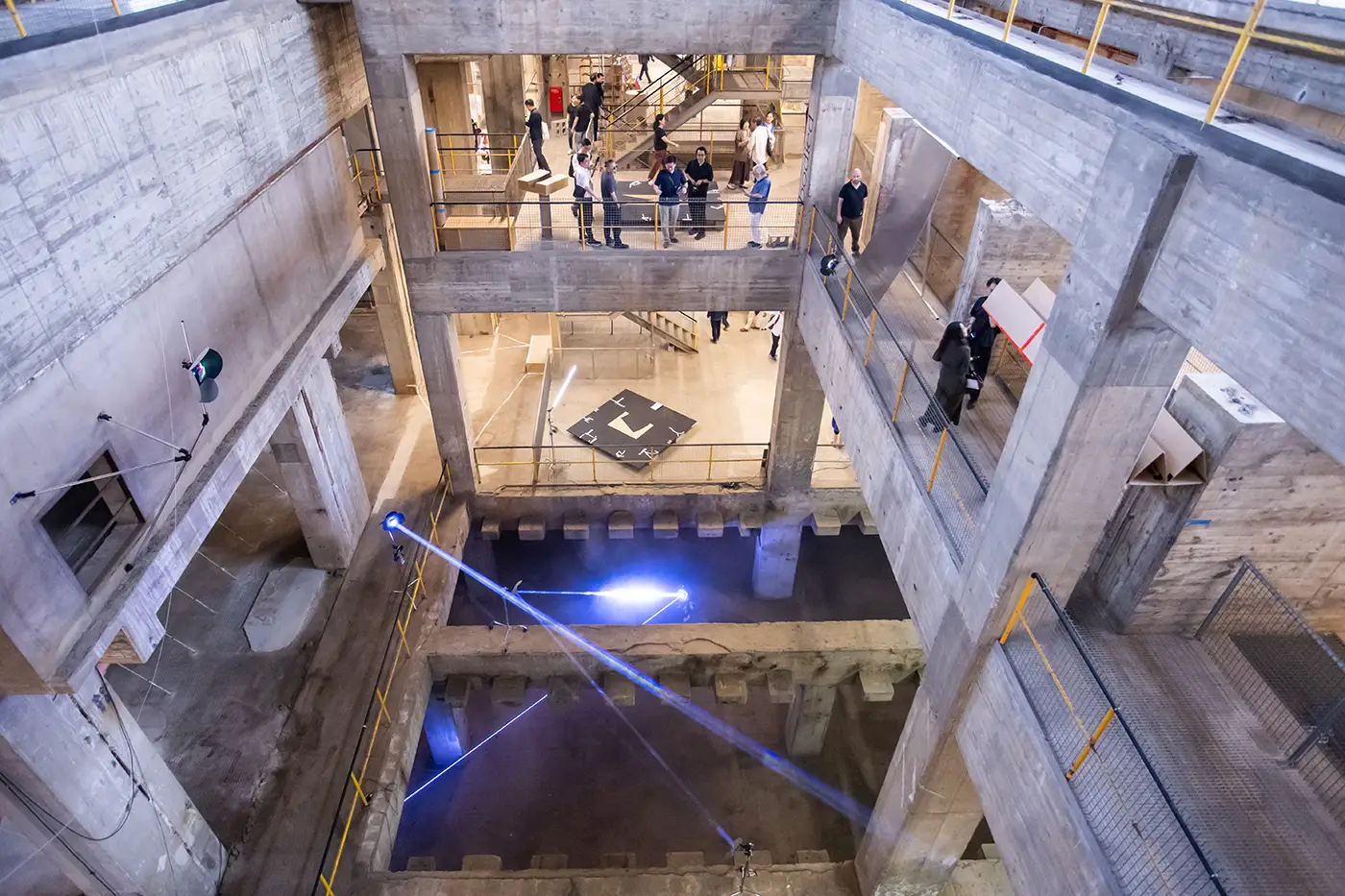
The exhibition Becoming. Architectures for a Planet in Transition. transformed the turbine hall of the Sant Adrià de Besòs power plant — the iconic Three Chimneys building — into a space for architectural experimentation, research, and exchange, expanding the Congress content into a 4,000 m² exhibition.
Activated daily through public events and gatherings, the exhibition extended beyond a conventional display to become a shared space for discussion and encounter.
Photos by © Anna Mas.
UIA World Congress
of Architects
2026 Barcelona

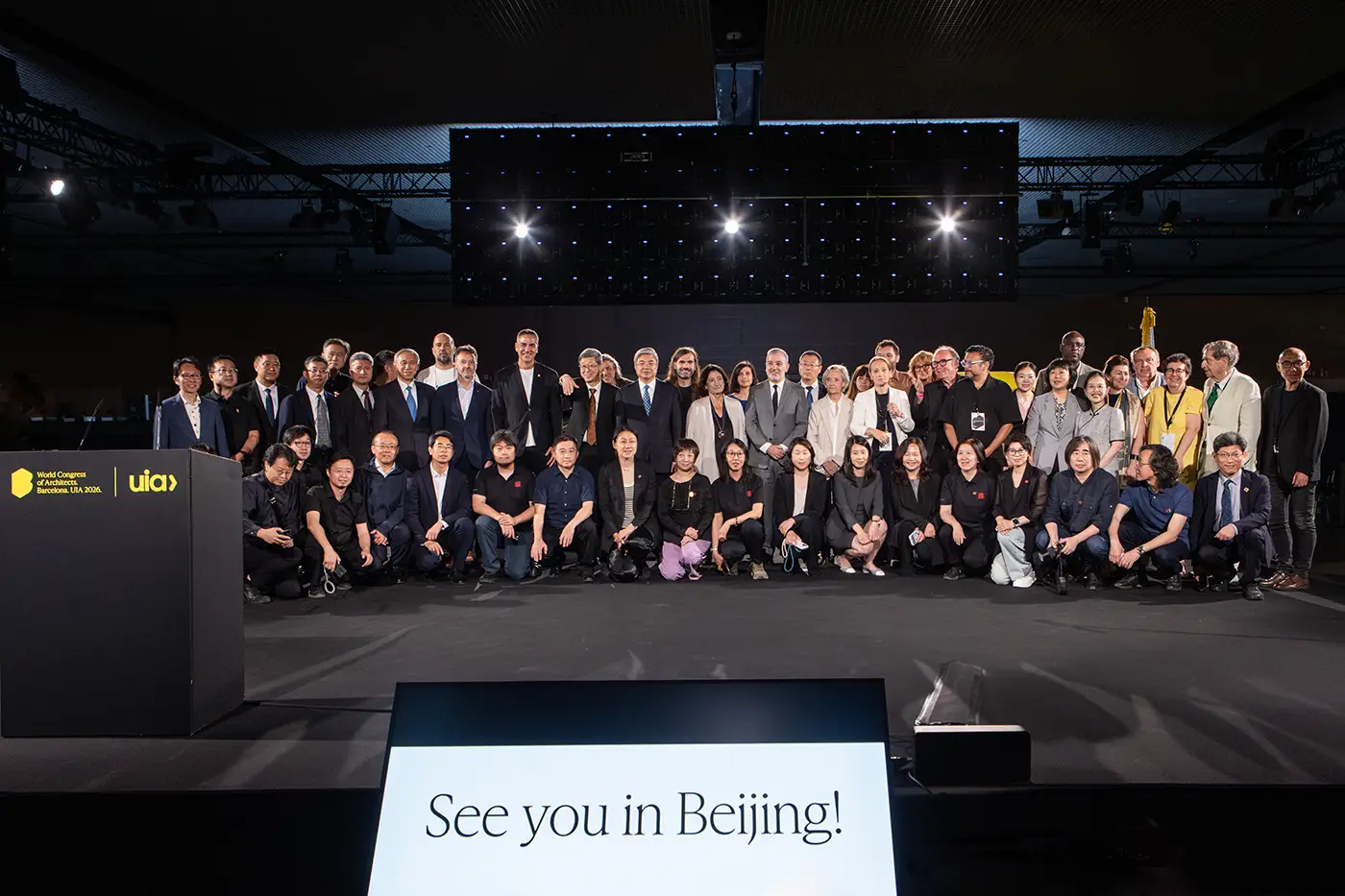
A unique international event that transcends disciplinary and geographical boundaries, the UIA World Congress of Architects 2026 Barcelona brings together renowned architects, researchers, and influential figures from multiple fields to promote the exchange and production of knowledge.
Held in different cities every three years since 1948, during post-war reconstruction, the 29th edition will unfold along Barcelona’s seafront.
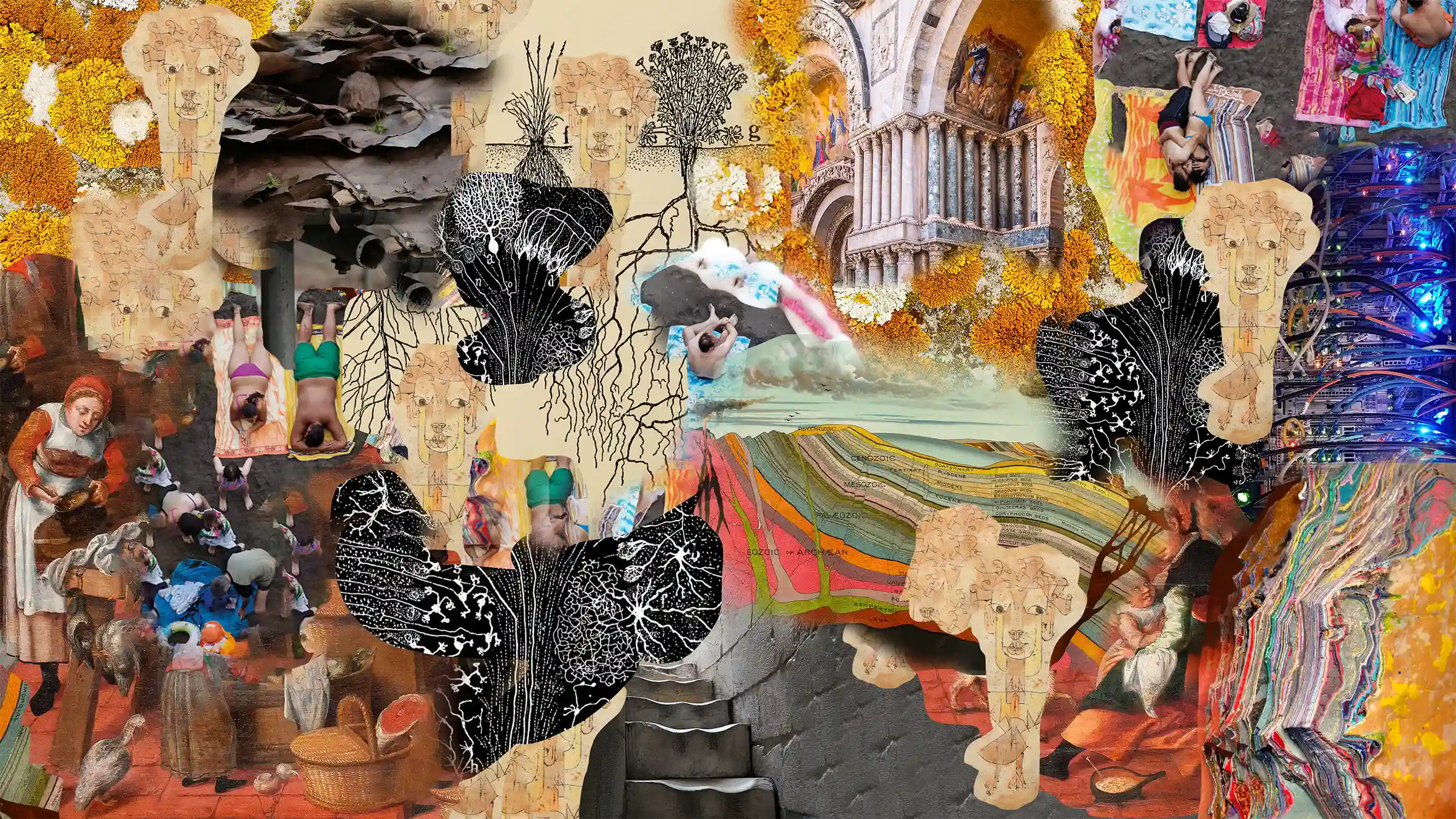
With the theme Becoming. Architectures for a planet in transition, the event focuses on speculative, qualitative inquiries to explore material, political, ecological, and poetic interrelations. The Congress features a diverse array of events, including lectures, workshops, debates, exhibitions, visits and celebrations, all designed to encourage architectural dialogue and the sharing of perspectives.
Becoming.
Architectures for
a planet in transition
Becoming explores spatial practices that foster the appropriation and transformation of our inhabited environments —both human and more-than-human, individual and collective— by investigating the potential of time as a design tool. Rejecting the notion of tabula rasa, it is rooted in a deep awareness of pre-existing physical and cultural landscapes, curating transitions through material, political, ecological, and poetic interrelations.
In an effort to move beyond the depletion of capitalist-driven paradigms, Becoming poses challenges that suggest alternative prospects: six thematic research lines frame these explorations, inviting open-ended, intersecting investigations into what it means to design for a world in transition.