Programme
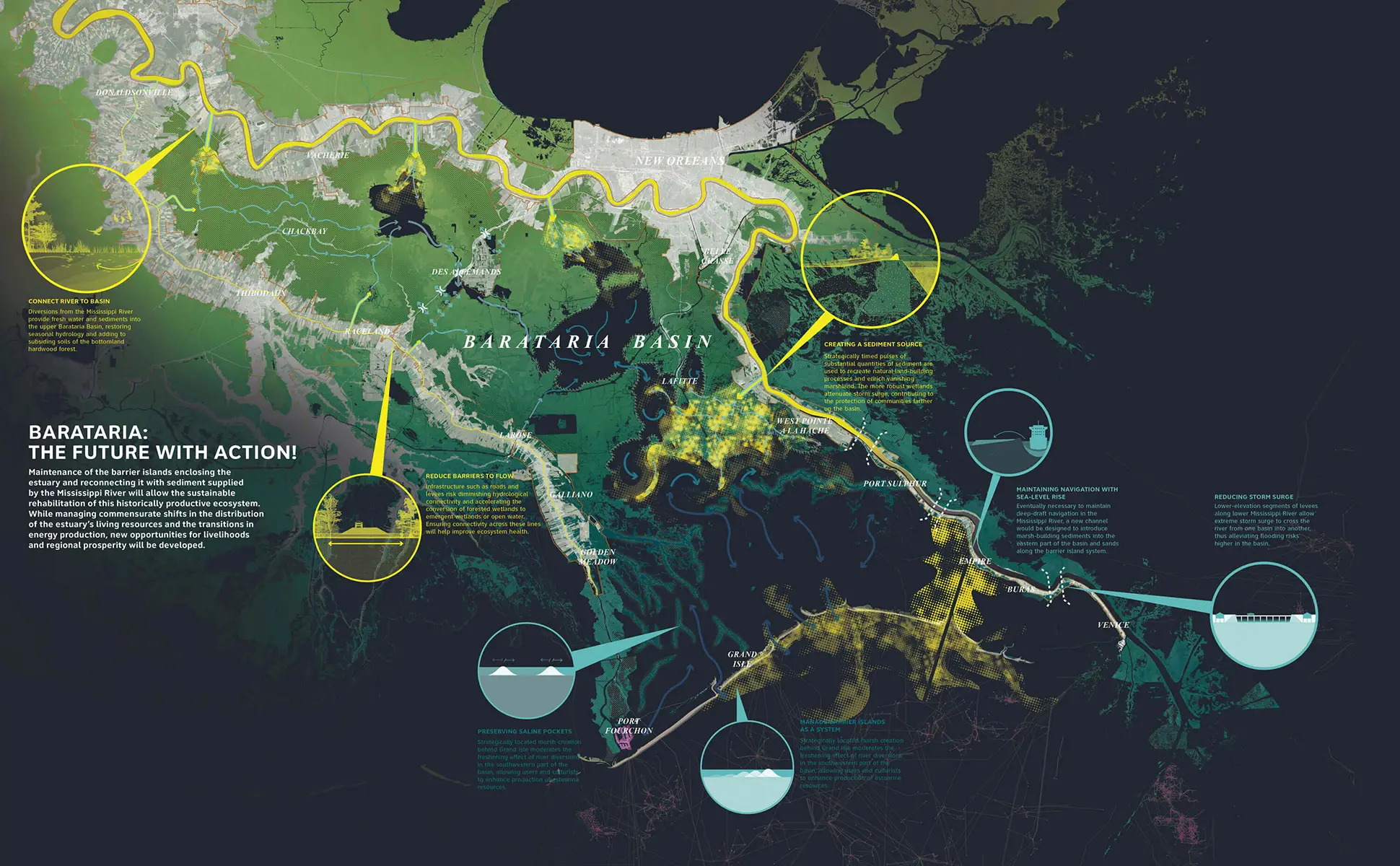
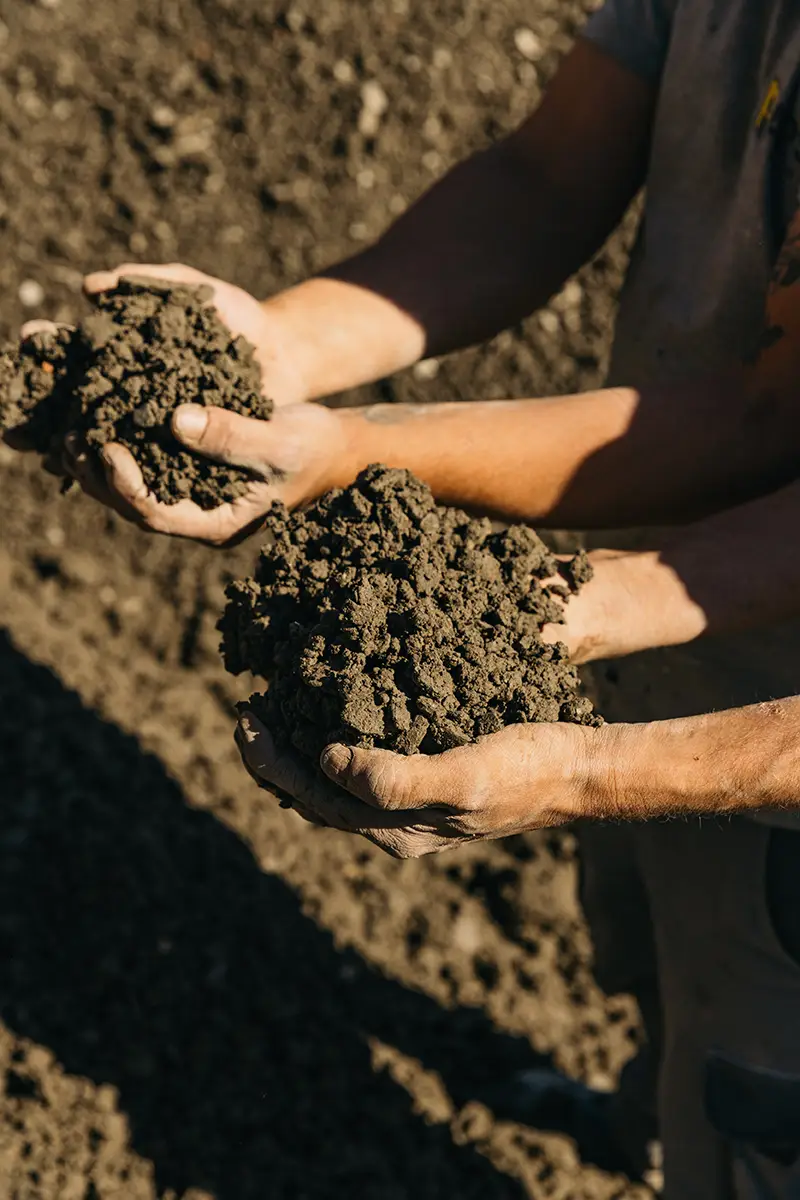
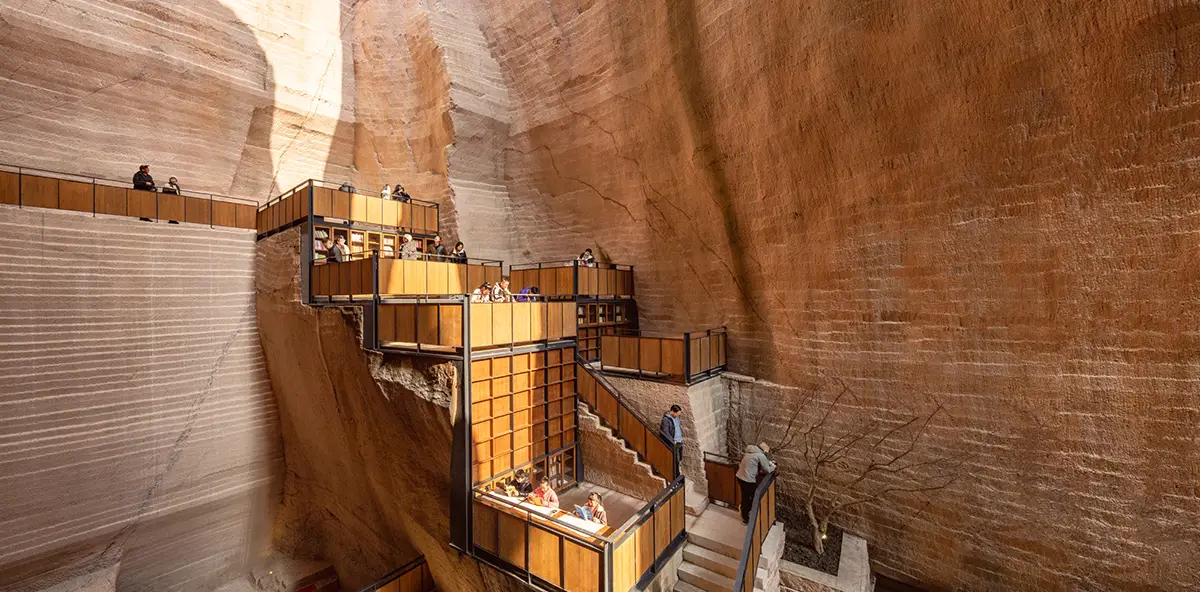
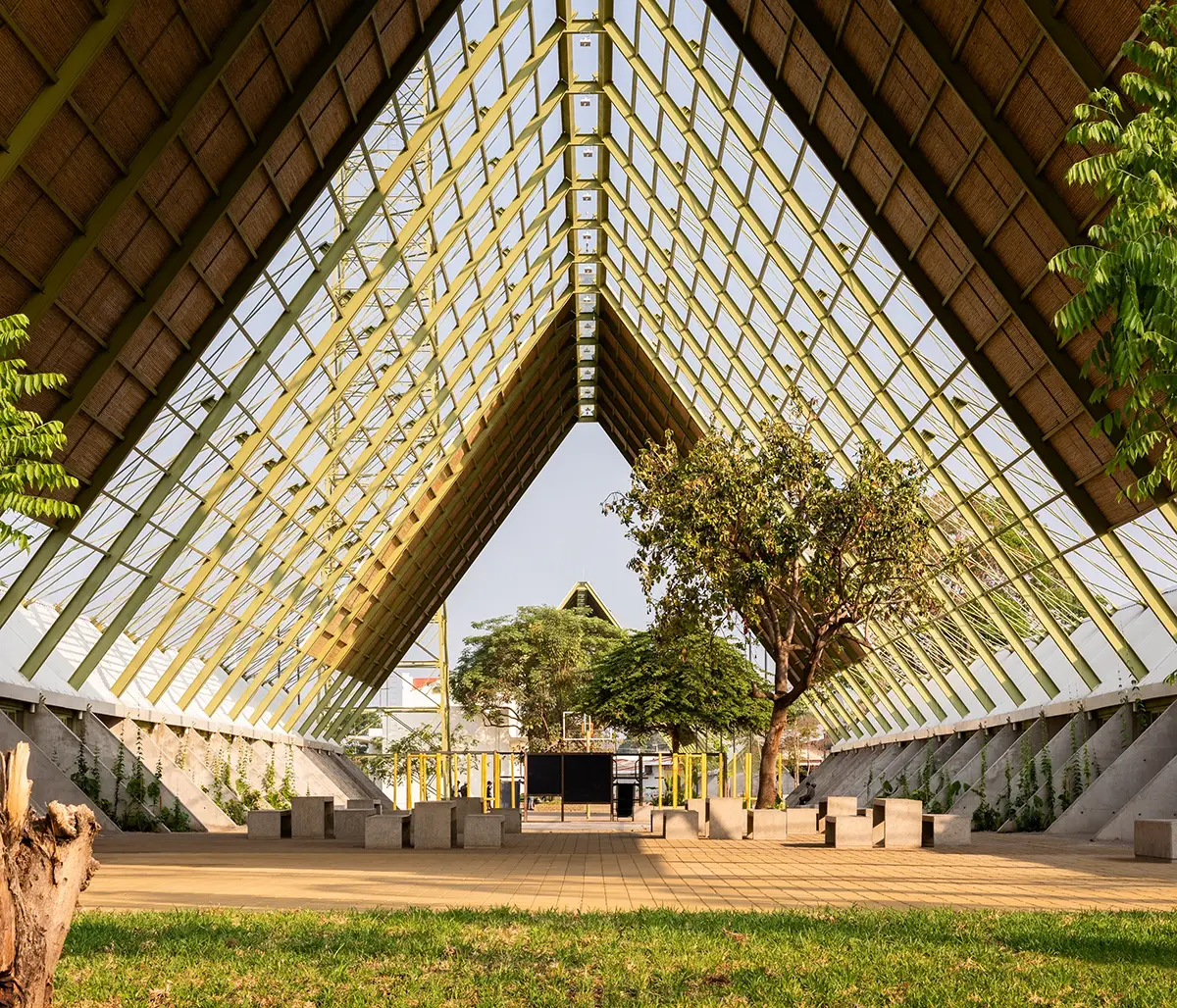
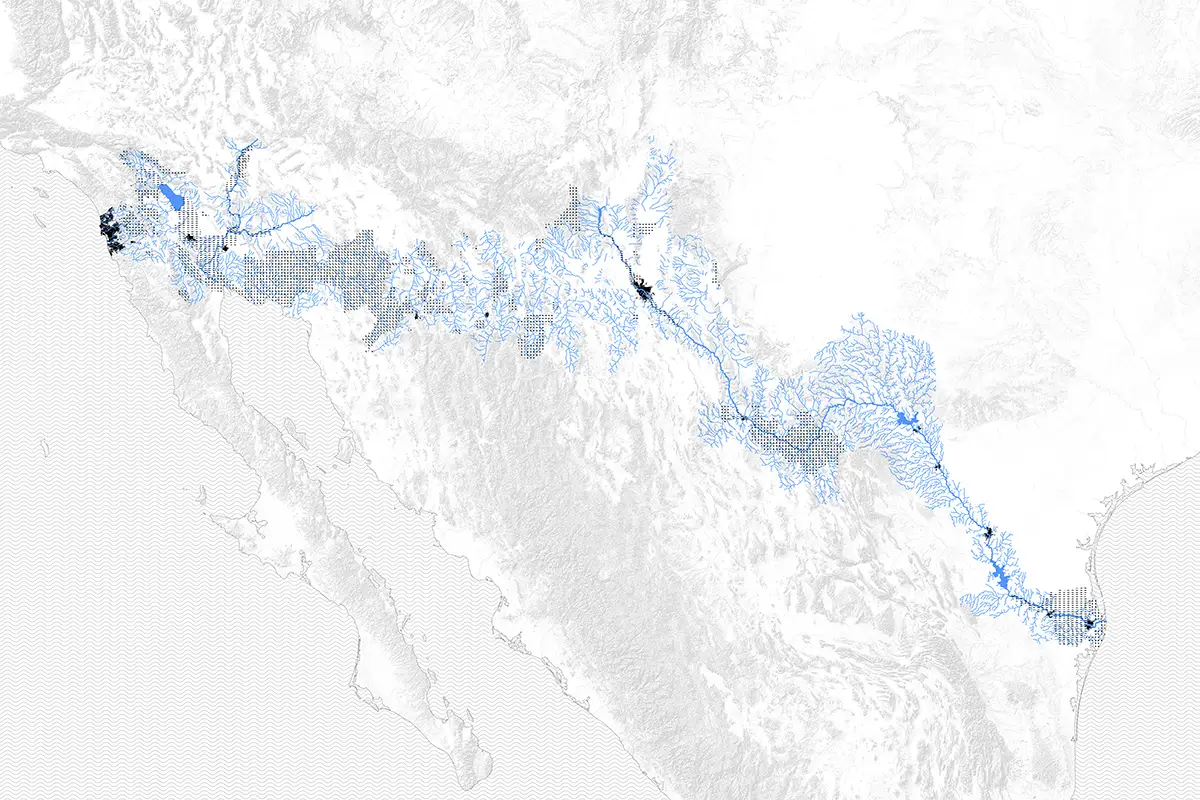
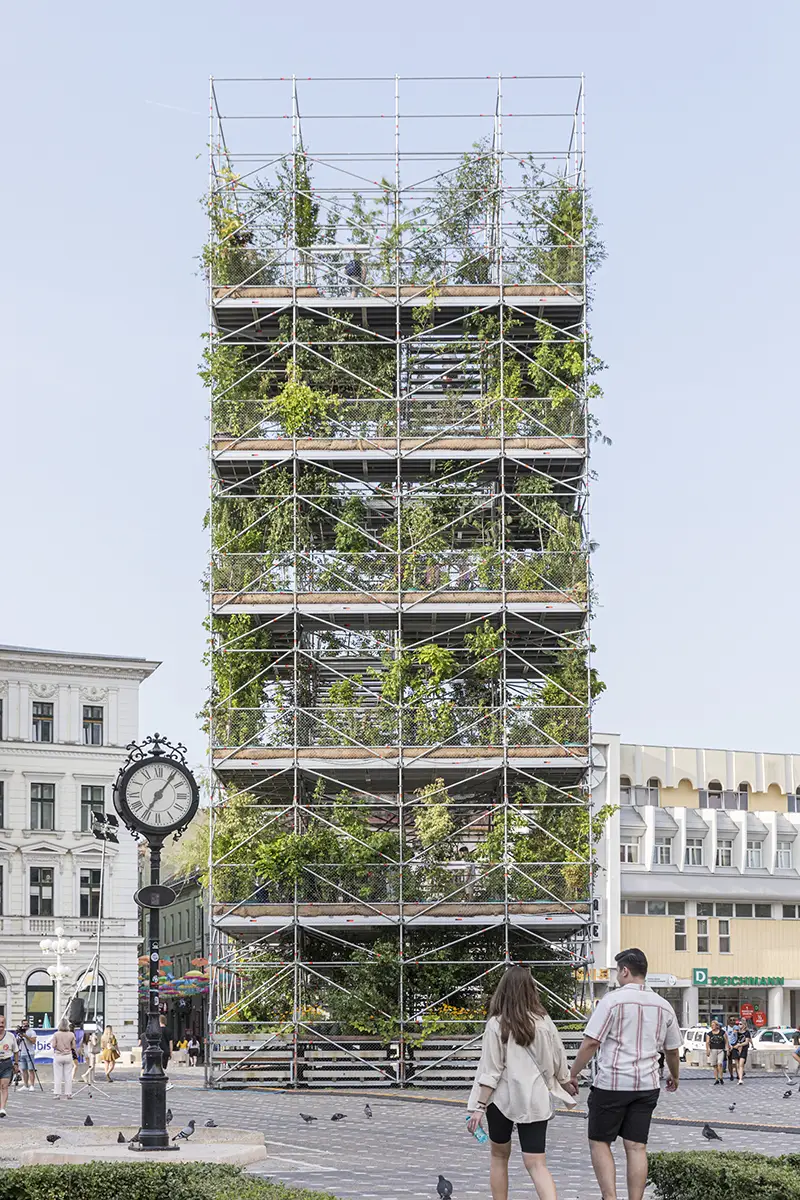
Ecology in architecture requires moving beyond the use of nature solely as a means of extraction. It calls for the exploration of resilient and adaptive strategies for transforming cities and territories, addressing climate, water management, soil and biodiversity.
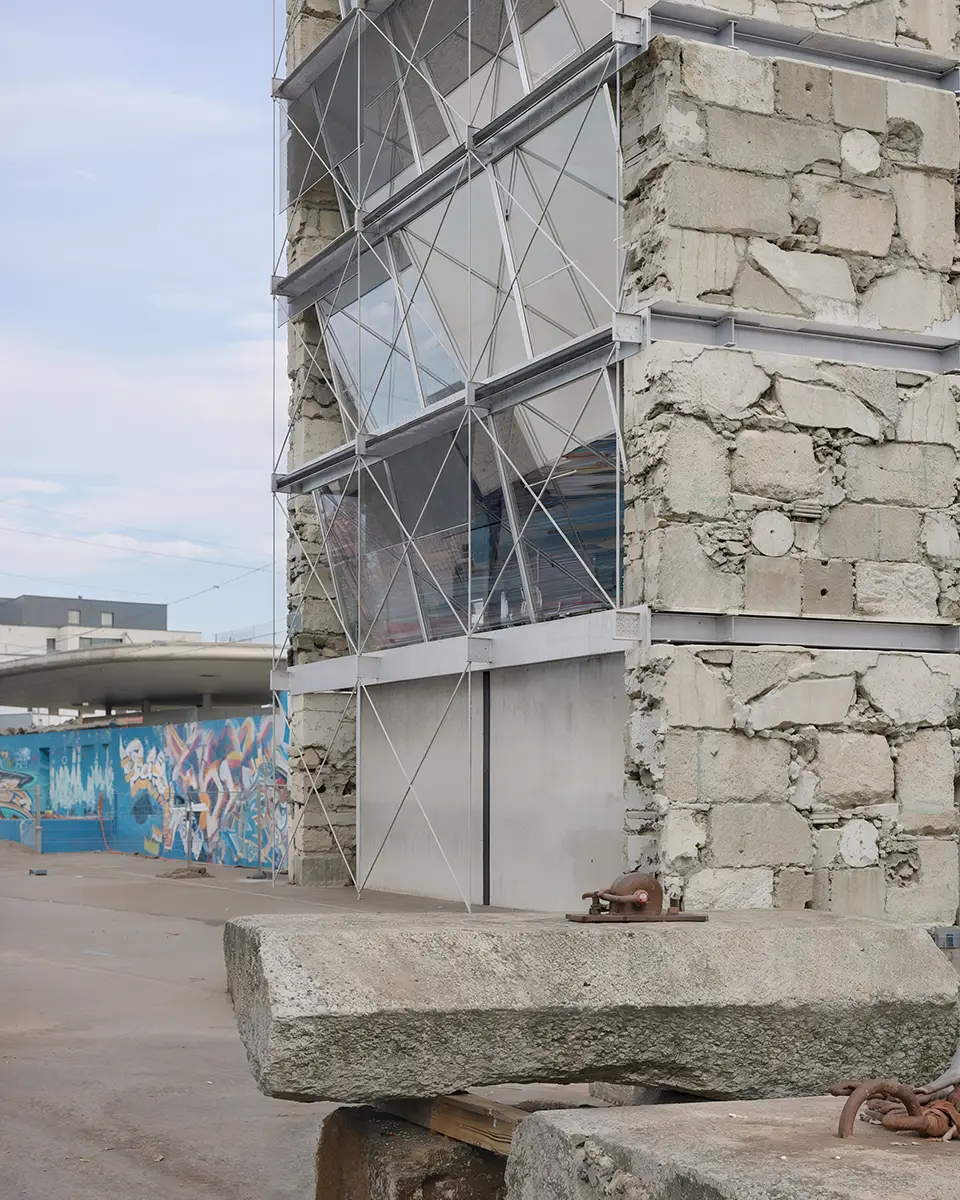
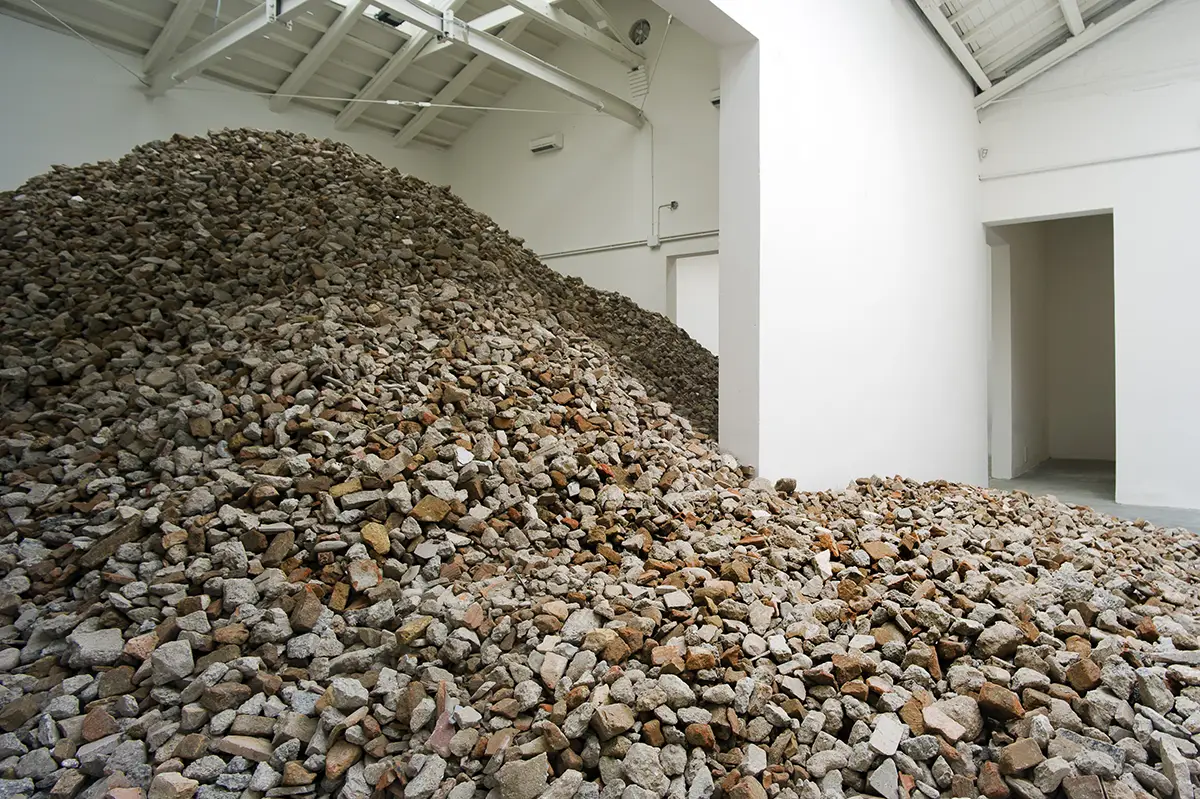
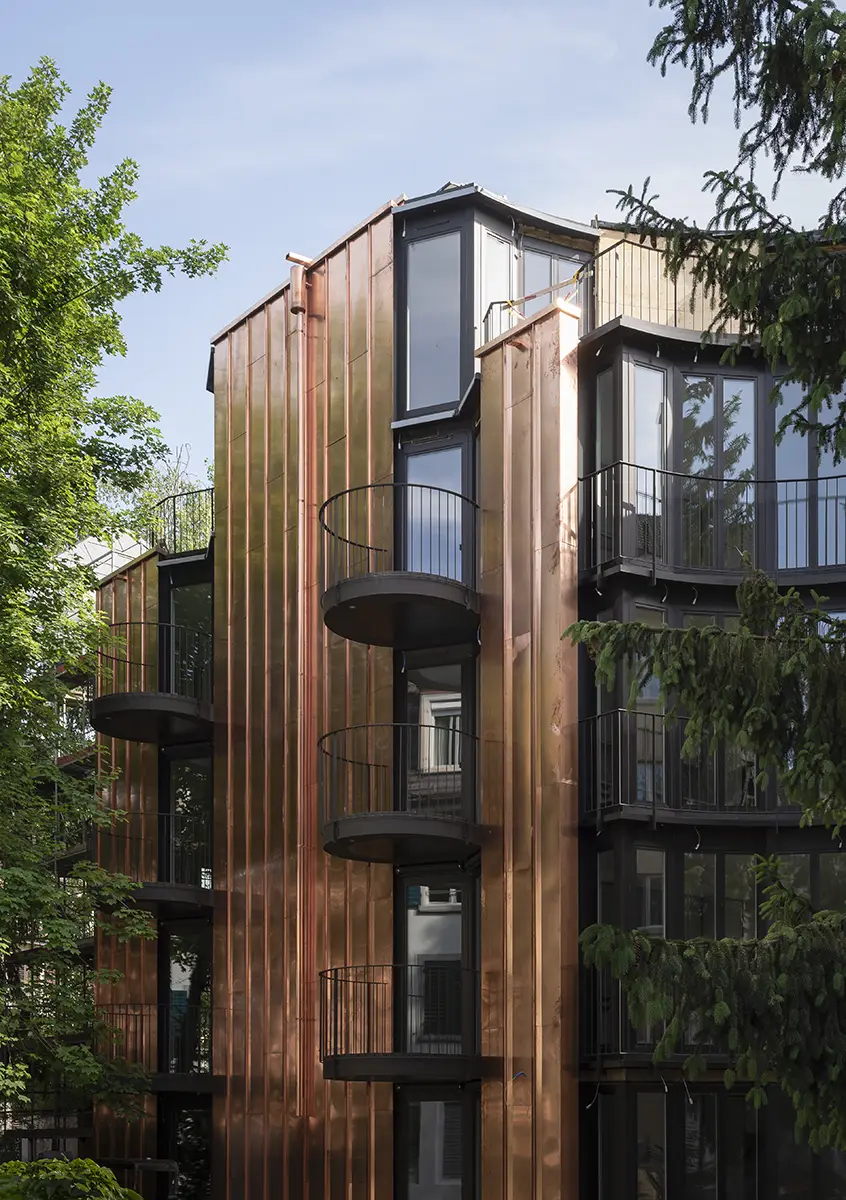
In contrast to the linear production model, we must move towards practices grounded in spatial, material and energy cycles. Priority is given to the rehabilitation of the existing built heritage, promoting proximity, energy efficiency and resource economy in order to reduce carbon footprints.
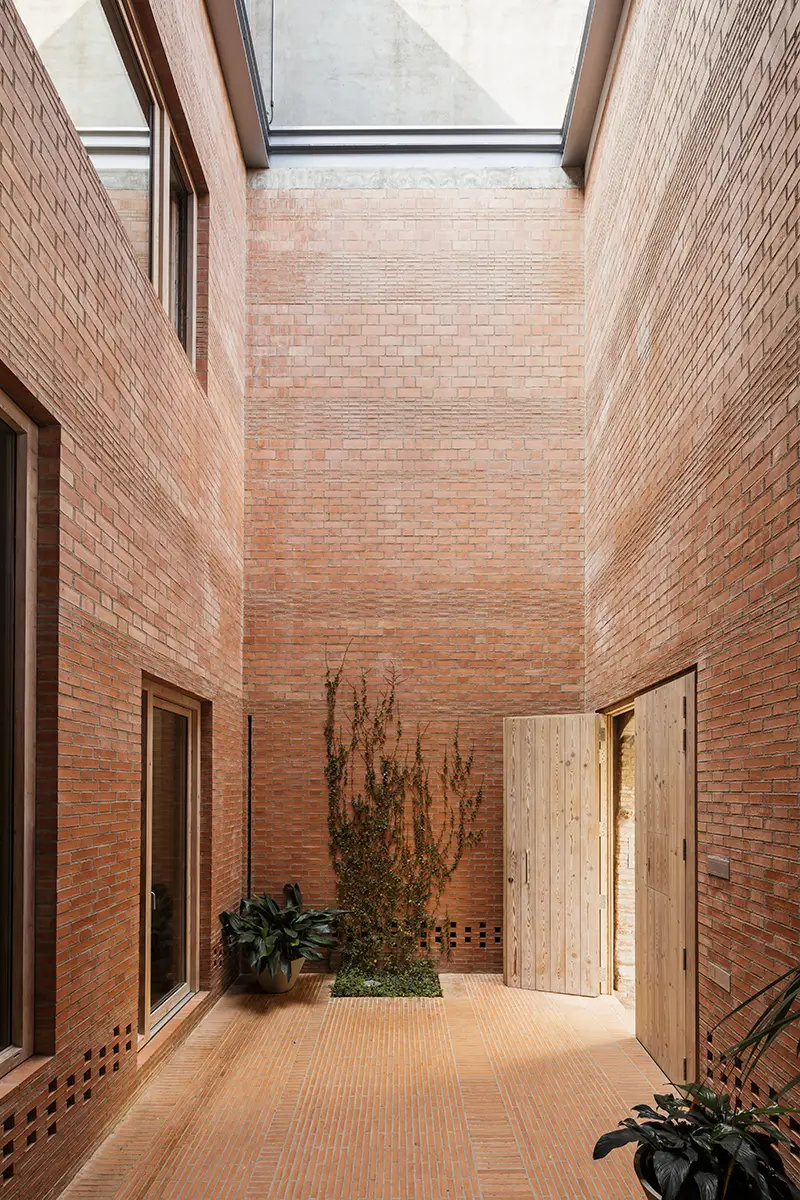
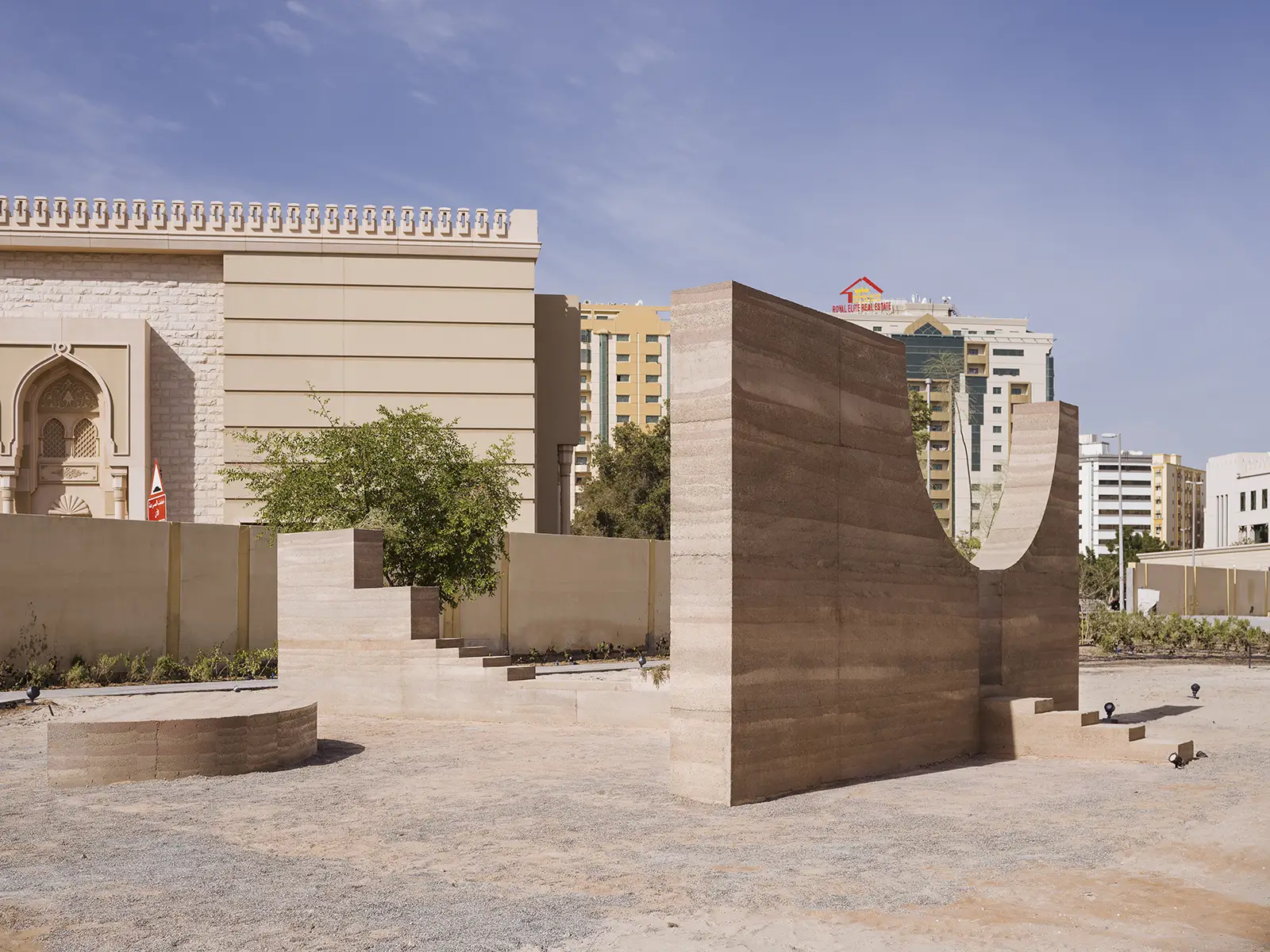
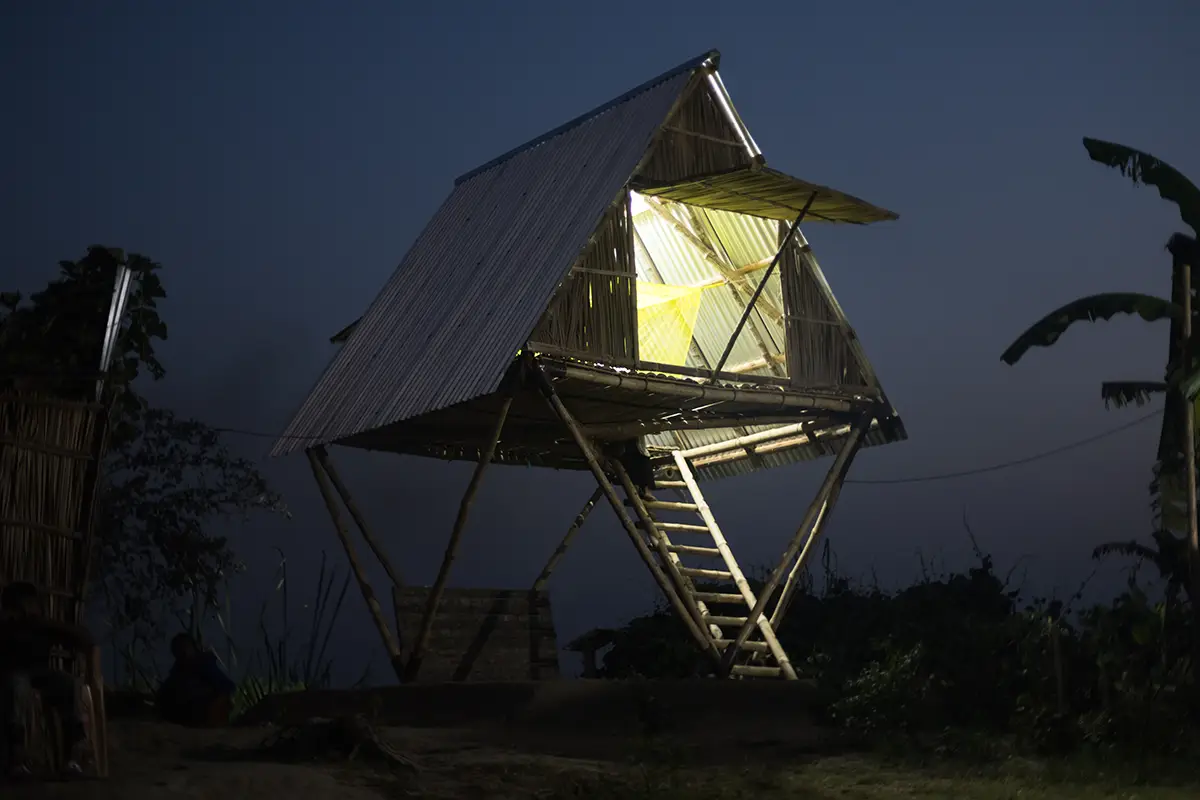
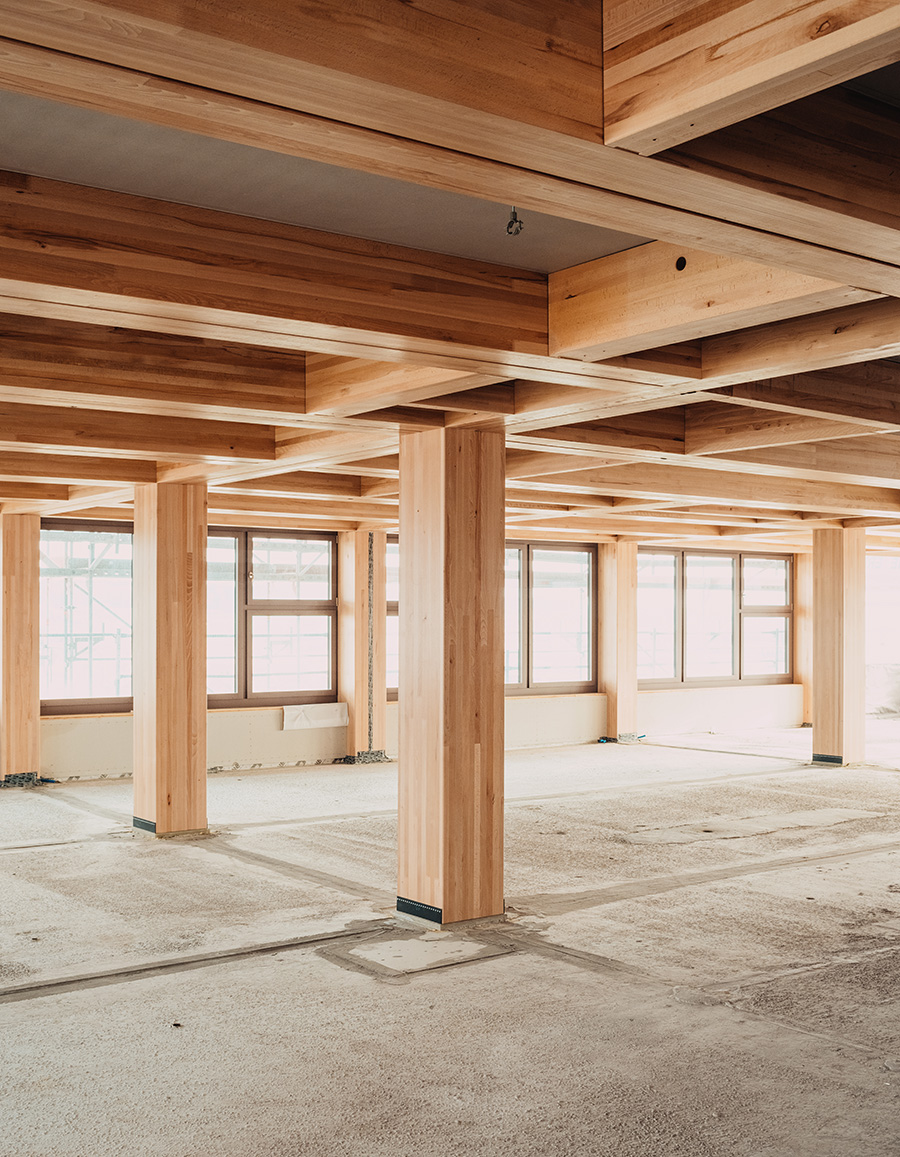
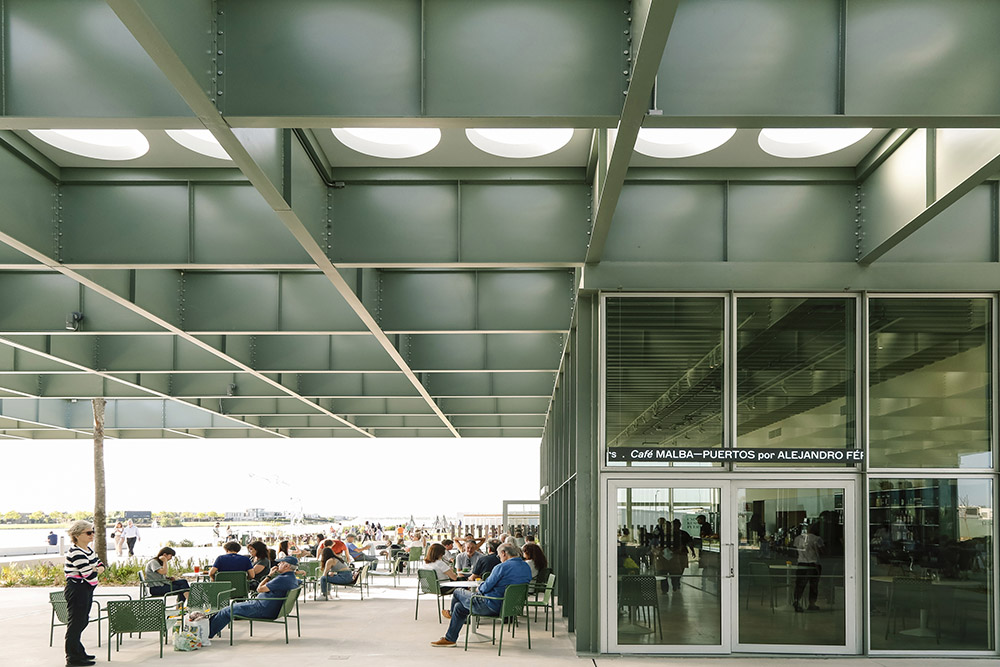
Material research engages with construction processes and fabrication technologies, integrating their environmental values, social impact and expressive qualities. At the same time, it explores their structural potential, assembly systems and adaptability over time.
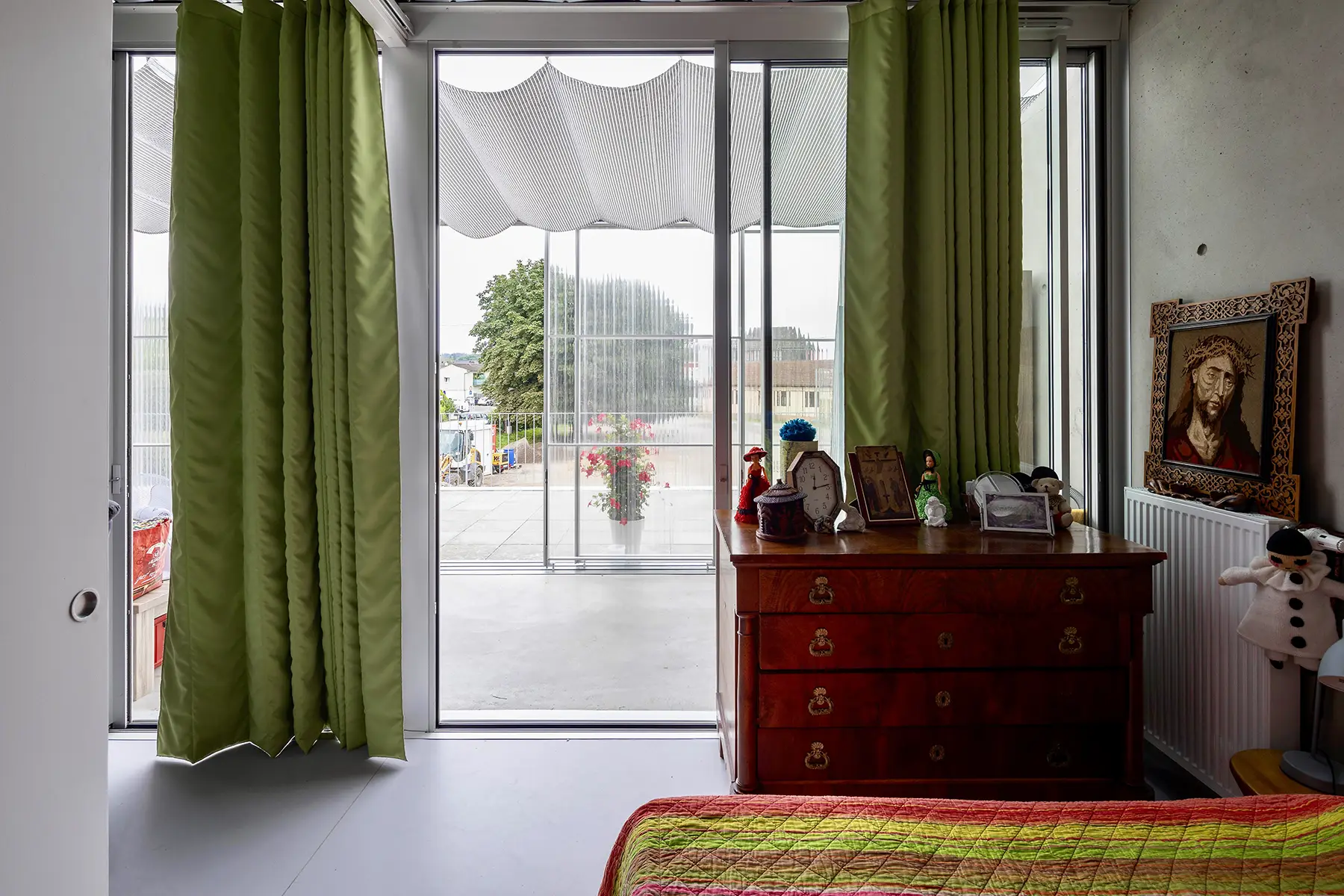
Architecture requires spatial policies that promote the right to housing, gender perspective and interdependence. It entails rethinking forms of coexistence based on care, cooperation and solidarity as drivers of social empowerment.
Planetary-scale dynamics — geopolitical relations, legislative frameworks, digitalisation and AI — shape local realities and influence everyday life. Developing a critical awareness invites exploration of their implications and potentials for spatial practice.
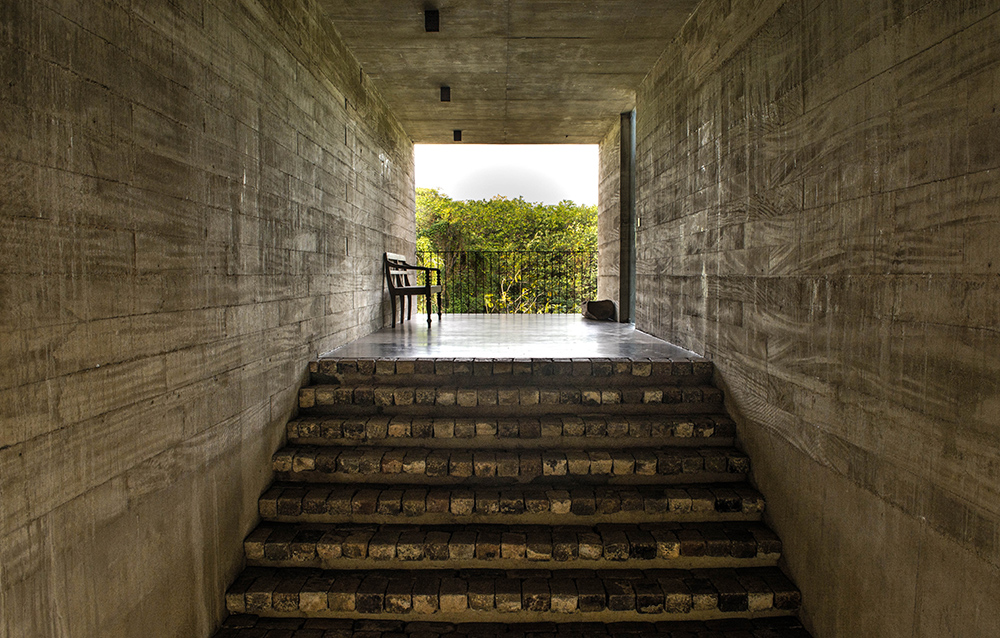
Architecture explores its poetic dimension, attentive to material, cultural and affective contexts. Through a sensitive and playful lens, it embraces unexpected forms of beauty, the ordinary and composition as generative principles for design and for the meaning of dwelling.